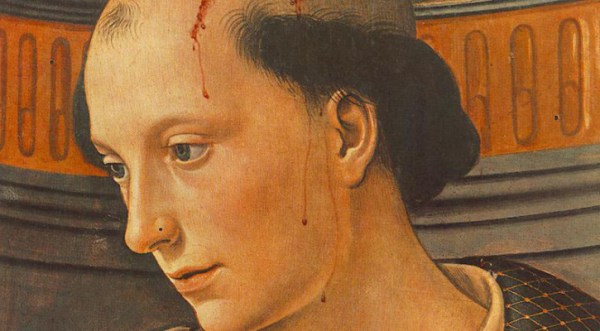
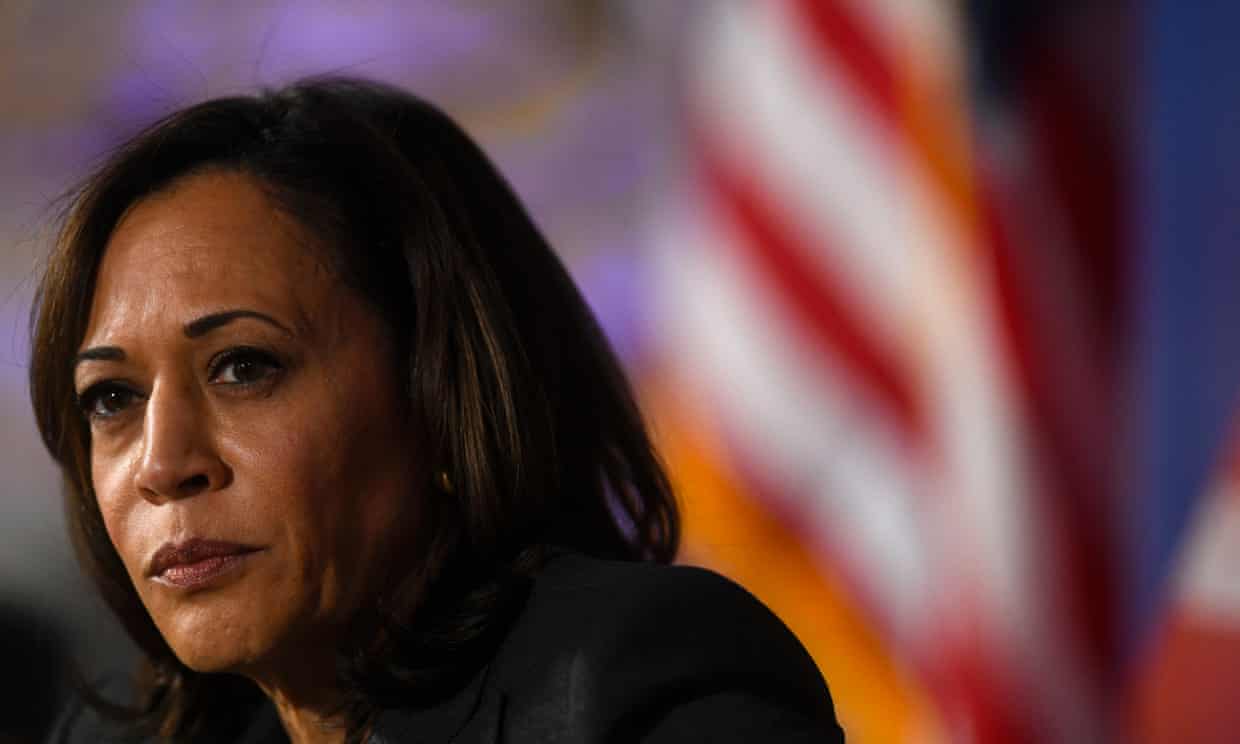
I ran across this photo today (via plasticbag.org). Incidentally, I ran a psychotherapy group today on my unit, in which I wondered whether the clientele were finding it difficult that that the lower half of everyone’s face is masked. I suggested they think about whether they were facing new challenges in reading the faces of the clinicians who were treating them.
It appears that mask-wearing will be with us for a long time, especially as economies reopen and people are spending more time in public settings. Thinking about the psychological impact of masking will be crucial. I am curious about any research data about emotional perception from societies where women are veiled. It would also be interesting to do psychological studies of Asian societies where masking became more common in advance of the West since the SARS and bird flu epidemics earlier in the 21st century or even, to some extent, other respiratory illnesses of the 20th century.
You know that old chestnut about the ‘eyes being the windows to the soul‘ (versions of which have been variously attributed to Jesus and Shakespeare)? I have mulled over the fact that I seem to be able to gauge the emotions of some people clearly by seeing just their eyes, but there are others who, mouths concealed, are opaque to emotional readings. Is the difference an intrinsic one as to where and how people display their emotions? Or does it more lie in the skill of the observer? Thanks to my friend Abby for pointing me in this regard to the 2010 art installation by Marina Abramovic at the Museum of Modern Art in New York, “The Artist is Present”, in which people lined up for their chance to sit opposite the artist staring wordlessly at her eye to eye, “one of the final taboos of modern New York.” (New York TImes). What happens to eye-to-eye contact in the masking era?
Hardwired human capabilities bear on this. As befits such an inherently social species, an enormous amount of neurological machinery in the human brain has evolved to be devoted to interpersonal perception, given how much of an advantage is provided by having detailed access to the feelings or intentions of others with whom we are interacting. . Broadly speaking, an empathic connection to others, what Cambridge University psychologist Simon Baron-Cohen has called our ‘mind reading ability’, relies on our capacity for emotional mimicry. When we observe the expressions or nonverbal behaviors of those with whom we interact, a system of “mirror neurons” (about which I have written before on FmH) activates brain regions which echo the activity in the individual we are watching. Via this internal mimicry, this mechanism gives us an emotional experience when watching another’s behaviors or expressions similar to that we would have if we were performing those same behaviors outwardly ourselves. Watching someone smile or grimace makes you feel the way you would if you were smiling or grimacing yourself. In that way, we have very good access to what another is thinking or feeling. How much is that compromised in the mask-wearing epoch?
There is interesting research establishing that individuals with autism, who are deficient in person-perception, empathic connection, and ‘theory of mind,’1 look less at the eyes, and more at the mouth, of people with whom they are interacting. What impact is the mask-wearing of those with whom they interact having on them?
Some of my patients, who are involvement-averse or affect-intolerant, have commented that things have gotten easier for them since we have begun social distancing and masking half our faces. They feel relief that their facial expressions are betraying less, that there is less their interlocutors are expressing to which they are called upon to respond, and that they are less under scrutiny while interacting. Some with severe mental illnesses may find it easier to remain in treatment when they do not have to go out during the pandemic lockdown, as most aftercare programs are conducted virtually.
In any case, those whose vocations relay on nuanced interpersonal interaction, like myself, must be finding it difficult and unfamiliar not to see the faces of the people they work with.2 This is less of an issue for the therapists conducting their therapy online. Their clients, of course, can be unmasked staring full faced into the camera from the safety of their quarantine. For many that is good enough to do satisfactory psychotherapy, although some of my therapist friends lament their limited access to elements of their clients’ body language below the neck.
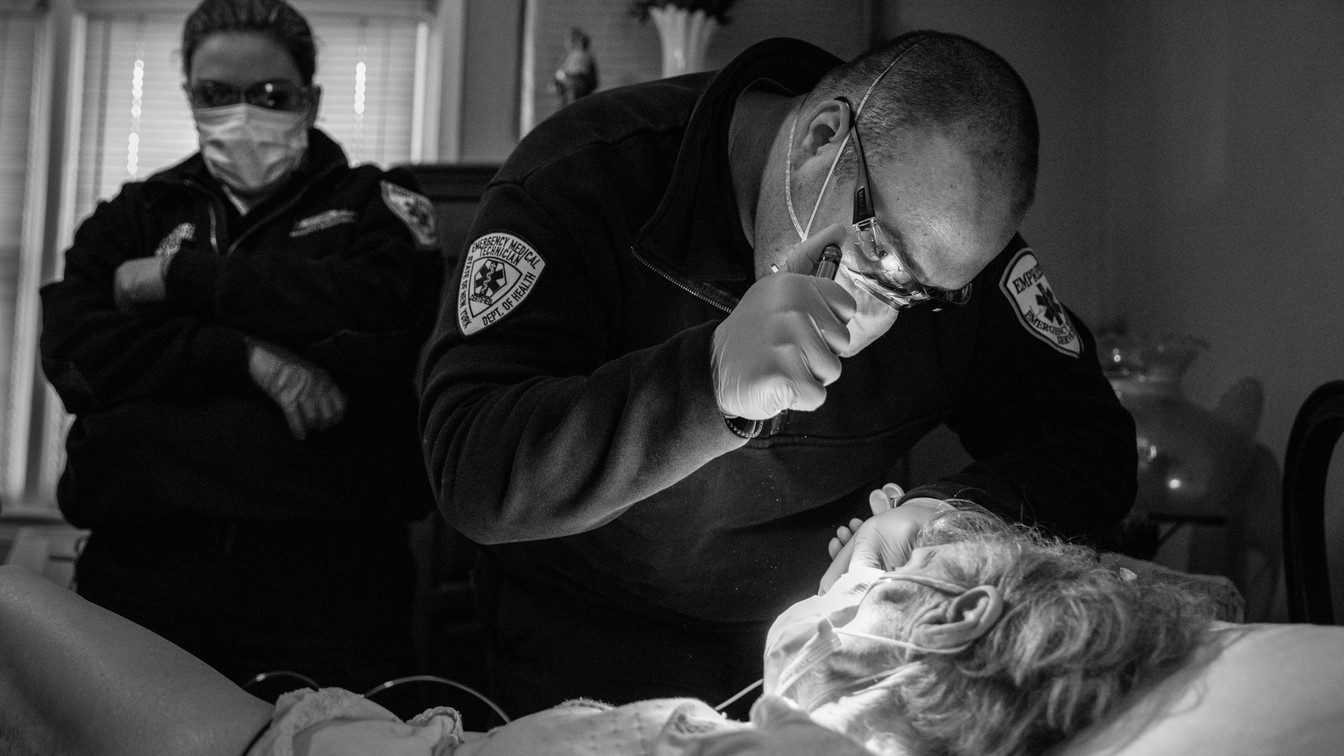
But the hospitalized psychiatric patients, to work with whom I physically go into the hospital on a daily basis, are always masked when they are out of their bedrooms in the milieu. Something about this stringent norm is working — our unit has not had one case of viral transmission to staff or patients since the pandemic began. But my patients and I have in some cases never seen one another’s faces despite days or at times weeks of treatment! And if I do see a patient unmasked in passing, I am at times taken aback by how their appearance departs from what I had imagined was behind the mask I stared at day after day. Today I was surprised to see that one of my patients, a young man unmasked for the first time, had a bushy mustache I could not have envisioned. Facial hair and piercings, etc. act as signifiers over and above facial expressiveness, now concealed. Am I in effect treating a different person than the one they would want to be when interacting with me if they were unmasked?
Some emotions — fear and anger — appear to be more upper-face emotions than others such as happiness or sadness. What will be the societal impact of some emotions becoming easier to read, or seen as more prevalent, than others? In his powerful 1978 book Four Arguments for the Elimination of Television, Jerry Mander described how a medium incapable of clearly conveying subtlety of emotion potentially shaped social behavior and interaction into something less granular, more grandiose and bolder. If the medium is the message, does this contribute to a tendency toward action over contemplation, grossness over subtlety, and the melodramatic over the sublime? 3 And does mask-wearing analogously act to filter subtleties out of interpersonal communication?
The adverse effects of masking may hit some societies more than others. In less culturally homogeneous societies (such as the U.S.) we need as many cues as we can get to know how someone feels and how they will react. In more culturally homogeneous societies, it is arguably easier to know what people are feeling.
fMRI studies also show that, when viewing images of people from stigmatized groups that inspire disgust (homeless, drug addicts, the lower-caste ‘untouchables’ in Indian society), subjects have reciprocally reduced activation of brain regions associated with the experience of empathy. Some like philosopher Martha Nussbaum argue that stereotyping, xenophobia, and dehumanizing of the outsider may be based on the neurology of disgust or creepiness. If the neural processes allowing empathic connection through the activation of mirror neurons are interfered with by masking, xenophobia and dehumanization may flourish. Paranoid ideation — anticipating vulnerability and threat to oneself in conditions of increased difficulty making sense of incoming information, as I define it — can be facilitated. These are very ingrained processes difficult to reason one’s way beyond.
In my psychiatric work during the pandemic, I have found it more difficult to reassure patients without their seeing my smile. It has been written about extensively in both psychotherapy training manuals and the literature of the art of negotiation that people resonate unconsciously with each other in conversation by matching body language and facial expressions. Masking is making that more of a challenge. Are we in the midst of discovering new ways to misunderstand one another?
It may be necessary to switch increasingly to verbal in place of nonverbal reactions, e.g. chuckling rather than smiling. People may become more gestural with their hands or physical movements such as nodding. All of this may be deliberate or unconscious, borne of necessity, even without our recognition. It is also possible that we may become more skilled at reading the minute expressions in the parts of others’ faces which are still visible, which we used to overlook. We may shift toward more eye contact, as uncomfortable as that might be in some instances.
I cannot let the opportunity pass without mentioning the work of one of the most influential 20th-21st century psychologists, Paul Ekman, who devoted his life to the observation of nonverbal communication. Ekman found that the facial muscular movements that create emotional expressions can be reliably observed and described. He posited that the correlation between various expressions and their emotional connotations are universal, especially those for disgust, fear, joy, loneliness, and shock. They could be demonstrated even in preliterate cultures, whose members could not have learned the correlations from media exposure. Ekman’s work was devoted to the precise observation, description and categorization of the component ‘micro-expressions’ indicative of various emotions. He developed a training system for the better recognition and analysis of these micro-expressions, which are manifested even when subjects are trying to suppress their display of emotion.
Discerning these micro-expressions is very useful for the detection of deception. It does not take much imagination to envision the importance of recognizing deceit in areas as diverse as witness and suspect interviewing in law enforcement, job interviews, and political candidates, to name a few, in addition to psychiatric treatment. Ekman describes in detail in his book Telling Lies the analysis of the nonverbal behavior of a woman who lied about whether she was feeling suicidal in order to leave the hospital where she was committed for her safety. I face similar quandaries assessing safety in my practice with hospitalized psychiatric patients nearly every day. Emotional deception may be unconscious as well as deliberate,. There is a strong relationship between psychological distress and fooling oneself. Skills-based training in emotion recognition may be useful for patients as well as clinicians, helping patients in psychotherapy to better notice, label, and process emotional experiences which they themselves might not recognize. The alternative and humanistic therapy practices of the ’60’s and ’70’s, which I used to think were unsophisticated and unsystematic for their focus on such buzzwords as “getting in touch with your feelings,” may have been onto something after all. So, if masking remains ubiquitous, we should probably all take Ekman’s training program!
A condition called alexithymia (literally “no words for feelings”), defined only in the last few decades after the work of Boston psychiatrists John Nemiah and Peter Sifneos, involves extreme difficulty in identifying and describing one’s own feelings. By extension, one’s ability to recognize emotion in others is impaired, and interestingly such patients have difficulty with fantasy and imagination. It may affect as much as 10% of the population although may not be manifested until someone is in psychiatric treatment. Alexithymia is a stable personality characteristic of an individual rather than a situational response to stress. It predisposes people to other psychological disorders. Individuals tend to avoid emotionally close relationships and the disorder is negatively correlated with overall life satisfaction and reduces the likelihood patients will respond to treatment efforts. Distress is frequently exacerbated when these individuals enter psychotherapy. Evidence exists for both a neurological basis of alexithymia (e.g. damaged interhemispheric communication) and psychological explanations (e.g that of psychoanalyst Joyce MacDougall who understands alexithymia as a defense against the experience of emotion once it has become too painful). Certain genetic variants in the serotonin system have been found to correlate with alexithymic traits.
The more stringent demands to read emotion with more limited information in a mask-wearing world might make us more sensitive not only to alexithymia but other impairments in nonverbal aspects of person perception and emotional processing. To name a few, these include prosopagnosia (also known as face blindness, famously suffered among others by the great neurologist Oliver Sacks, painter Chuck Close, primatologist Jane Goodall, Colorado governor John Hickenlooper, actor Stephen Fry, and Steve Wozniak), emotional dysprosody, and aphantasia.
Interestingly, research has identified a phenomenon called covert facial recognition. In experiments, it can be shown that subjects with prosopagnosia unconsciously recognize familiar faces without being consciously aware that they are able to do so. Similarly, might people with alexithymia instinctually recognize emotions in others even when they don’t believe consciously that they are able to name the feelings they are seeing? Might we be able to read emotion conveyed by masked faces better than we think we can? 4
Alexithymia may also have something to do with testosterone and/or other factors in gender identity, biological and/or developmental. Psychologist Ronald Levant coined the term “normative male alexithymia” (NMA) to describe the assertion that men are at base “emotional mummies” with impaired socialization and capacity for attachment. Unlike true clinical alexithymia, NMA is not full-blown psychopathology but nevertheless affects the quality of men’s lives and that of people around them, he believes. With this concept, I’m backing into the question of whether mask wearing will accentuate gender differences in person perception abilities. Will women, if they are indeed generally more skillful readers of emotion, find facial obscuration harder to deal with than men who tend to be more oblivious to the challenges it poses? Or will men’s person perception skills, marginal to begin with, be stressed past the tipping point more than those of women?
Throughout my psychiatric career, I have had a strong interest in the condition called Capgras’ syndrome, in which a person becomes convinced that someone important in their life has been replaced by an outwardly identical but subtly, discernably different substitute. Capgras, about which I lecture and to which I have referred before on FmH, occurs in both neurological and psychiatric conditions, and is thought to result from a dysfunction in the machinery of person recognition and familiarity. Studies have shown that the difference between how we react to a familiar vs an unfamiliar face resides in the level of activation of a brain area called the posterior cingulate gyrus. If this malfunctions, the sufferer recognizes the person perceptually but the experience of the person lacks its remembered emotional valence, thus they do not feel emotionally familiar. The conclusion that they have been replaced by an impostor is a natural attempt to make sense of this disturbing dissonance. If emotional aspects of person perception are impaired in the masked world, will we see an increase in Capgras, in which we feel we are relating to emotional impostors? 5
I often point to the 1956 science fiction film Invasion of the Body Snatchers in reference to Capgras’ syndrome. Over and above banal analyses seeing it as an allegory about the Communist threat or a veiled critique of McCarthyism, I have always felt that the terror evoked by this film relied on its profound challenge to our dependence on the sense of the familiar and the dismissal by mental professionals as crazy of those alarmed by the perception that their loved ones were “not themselves.” In a nuance lost in subsequent remakes of the film, those taken over by the aliens retained their ability to convey emotion but were always a little “off”, as if they were imitating genuine emotion, a clear evocation of the experience of Capgras’ sufferers. Other films from the 50’s evoked the same terror, most memorably The Thing (1951) and Invaders From Mars (1953). (For my money, forget the more recent remakes of Body Snatchers or Invaders and go back to the originals. On the other hand, the 1982 version of The Thing with Kurt Russell is fabulous and underrated.). Of course, there are any number of recent horror films which rely more directly on mask-wearing antagonists for their terror. It is a very common trope. The experience evokes something primal.
In a deeper sense, metaphorical masking and unmasking processes are at the core of human interaction and particularly therapeutic interaction. What we keep private and what we keep public, and why, are core concerns for all of us in our public presentations in everyday life. What are the influences on our masking and unmasking? Some sociologists, notably Erving Goffman, assert that misrepresentation is an essential part of our public persona and that the mask come to be more real than the self. In that sense, could social presentation in the mask-wearing age be more authentic? Probably not to the oppressed. In Marxist philosophy, a character mask (German: charaktermaske) is a prescribed social role that serves to conceal the contradictions of a social relation or order. The term was used by Karl Marx in various published writings from the 1840s to the 1860s. In his classic Black Skin, White Masks, Franz Fanon shows how language itself forces the donning of masks and plays a powerful role in the subjugation of the oppressed. Dutch author and former editor of The New York Review of Books Ian Buruma, in his 1984 book Behind the Mask, argues that cultural taboos have always functioned like figurative masks shaping the expressions of various emotions and behaviors. Roland Barthes said, “The mask is the meaning.” Masking has always been an alluring fetish in erotic fantasy. In the pandemic era, is it mostly a signifier of good citizenry or of pervasive fear and panic? It is a topic for a different essay to consider the meaning of the anti-masking philosophy and its relation to toxic individualism and antisociality.
I came to psychiatry after starting in cultural anthropology. When people have asked me to explain this change of direction, I have often said something about not finding it to be such a deviation at all. Especially these days, where the atomization of society is so clear, one cannot avoid an appreciation for the fact that everyone inhabits their own micro-culture with disparate values, assumptions, and cognitive styles. I realized somewhere along the way that all interaction is essentially cross-cultural, and that I did not have to do fieldwork with indigenous people to experience the challenge of cross-cultural communication. Much as anthropological fieldworkers feel it is a privilege to be allowed into another culture, I feel I am privileged to have the opportunity every day to peer into the lives and the minds of so many disparate people with whom I would never otherwise had any encounters of depth. And to experience the unending fascinating challenge of helping them despite the mask of impenetrability we all wear most of the time.
1 Theory of mind is the ability to attribute mental states — beliefs, intents, desires, emotions, knowledge, etc. — to others, and is considered necessary to understand that others have beliefs, desires, intentions, and perspectives that are different from one’s own. ↩
2 It’s a different topic for another day, so I won’t get started on the issue of recently-trained ‘modern’ psychiatrists who don’t believe they have to communicate with their patients. Although I am a skilled psychopharmacologist, readers of FmH know how I decry attempting to treat patients by pill-pushing unaccompanied by the “talking cure”. Some of these folks might well be feeling relieved of the burden of having to read the emotional language of their clientele around now! ↩
3 As Mander described it,”…Television has effects, very important effects, aside from the content, and they may be more important. They organize society in a certain way. They give power to a very small number of people to speak into the brains of everyone else in the system night after night after night with images that make people turn out in a certain kind of way. It affects the psychology of people who watch. It increases the passivity of people who watch. It changes family relationships. It changes understandings of nature. It flattens perception so that information, which you need a fair amount of complexity to understand it as you would get from reading, this information is flattened down to a very reduced form on television. And the medium has inherent qualities which cause it to be that way.” ↩
4 And, while we’re at it, is there any evidence bearing upon whether maskwearing is having an impact on the ability of animals, who are thought of as notably good at resonating with the feelings of their humans, to read our emotions? ↩
5 The Echo Maker by Richard Powers is a superb novel revolving around a case of Capgras, with a guest appearance from an Oliver Sacks-like celebrity neurologist. .↩


T
A mask by Donut Robotics that serves as a combination walkie-talkie, personal secretary and translator.Credit…
Federal officers in unmarked uniforms fire on demonstrators with tear gas and “less lethal” munitions at Portland’s Federal Courthouse.
Photo by Michael Avedon
Lewis and Barack Obama walked across the Edmund Pettis Bridge in Selma AL fifty years after landmark march.


... say we live on, say we’ll forget the masks
that kept us from dying from the invisible,
but say we won’t ever forget the invisible
masks we realized we had been wearing
most our lives, disguising ourselves from
each other. Say we won’t veil ourselves again,
that our souls will keep breathing timelessly,
that we won’t return to clocking our lives
with lists and appointments. Say we’ll keep
our days errant as sun showers, impulsive
as a star’s falling. Say this isn’t our end
... say I’ll get to be as thrilled as a boy spinning
again in my barber’s chair, tell him how
I’d missed his winged scissors chirping
away my shaggy hair eclipsing my eyes,
his warm clouds of foam, the sharp love
of his razor’s tender strokes on my beard.
Say I’ll get more chances to say more than
thanks, Shirley at the checkout line, praise
her turquoise jewelry, her son in photos
taped to her register, dare to ask about
her throat cancer. Say this isn’t her end
... say my mother’s cloudy eyes won’t die
from the goodbye kiss I last gave her, say
that wasn’t our final goodbye, nor will we
be stranded behind a quarantine window
trying to see our refracted faces beyond
the glare, read our lips, press the warmth
of our palms to the cold glass. Say I won’t
be kept from her bedside to listen to her
last words, that we’ll have years to speak
of the decades of our unspoken love that
separated us. Say this isn’t how we’ll end
... say all the restaurant chairs will get back
on their feet, that we’ll all sit for another
lifetime of savoring all we had never fully
savored: the server as poet reciting flavors
not on the menu, the candlelight flicker
as appetizer, friends’ spicy gossip and rich,
saucy laughter, sharing entrées of memories
no longer six feet apart, our beloved’s lips
as velvety as the wine, the dessert served
sweet in their eyes. Say this is no one’s end
... say my husband and I will keep on honing
our home cooking together, find new recipes
for love in the kitchen: our kisses and tears
while dicing onions, eggs cracking in tune
to Aretha’s croon, dancing as we heat up
the oven. Say we’ll never stop feasting on
the taste of our stories, sweet or sour, but
say our table will never be set for just one,
say neither of us dies, many more Cheers!
to our good health. Say we will never end
... say we’ll all still take the time we once
needed to walk alone and gently through
our neighborhoods, keep noticing the Zen
of anthills and sidewalk cracks blossoming
weeds, of yappy dogs and silent swing sets
rusting in backyards, of neat hedges hiding
mansions and scruffy lawns of boarded-up
homes. Say we won’t forget our seeing
that every kind of life is a life worth living,
worth saving. Say this is nobody’s end
... or say this will be my end, say the loving
hands of gloved, gowned angels risking
their lives to save mine won’t be able to
keep me here. Say this is the last breath
of my last poem, will of my last thoughts:
I’ve witnessed massive swarms of fireflies
grace my garden like never before, drawn
to the air cleansed of our arrogant greed,
their glow a flashback to the time before
us, omen of Earth without us, a reminder
we’re never immune to nature. I say this
might be the end we’ve always needed
to begin again. I say this may be the end
to let us hope to heal, to evolve, reach
the stars. Again I’ll say: heal, evolve, reach
and become the stars that became us—
whether or not this is or is not our end.


The new study, reported in StatNews,
Things did not end well for him.
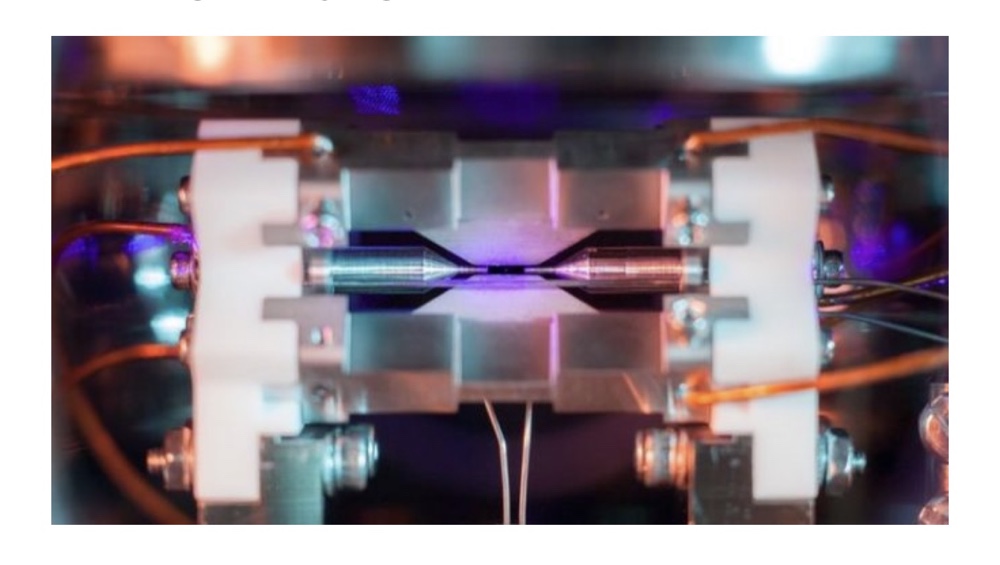
Objects are made of atoms, and atoms are likewise the sum of their parts — electrons, protons and neutrons. Dive into one of those protons or neutrons, however, and things get weird. Three particles called quarks ricochet back and forth at nearly the speed of light, snapped back by interconnected strings of particles called gluons. Bizarrely, the proton’s mass must somehow arise from the energy of the stretchy gluon strings, since quarks weigh very little and gluons nothing at all.
Republicans broadly agree that mass deaths are an acceptable sacrifice in the effort to “reopen” an economy savaged by the coronavirus pandemic. This approach got its media moment yesterday as Trump toured a mask factory to Paul McCartney’s classic hit Live and Let Die.
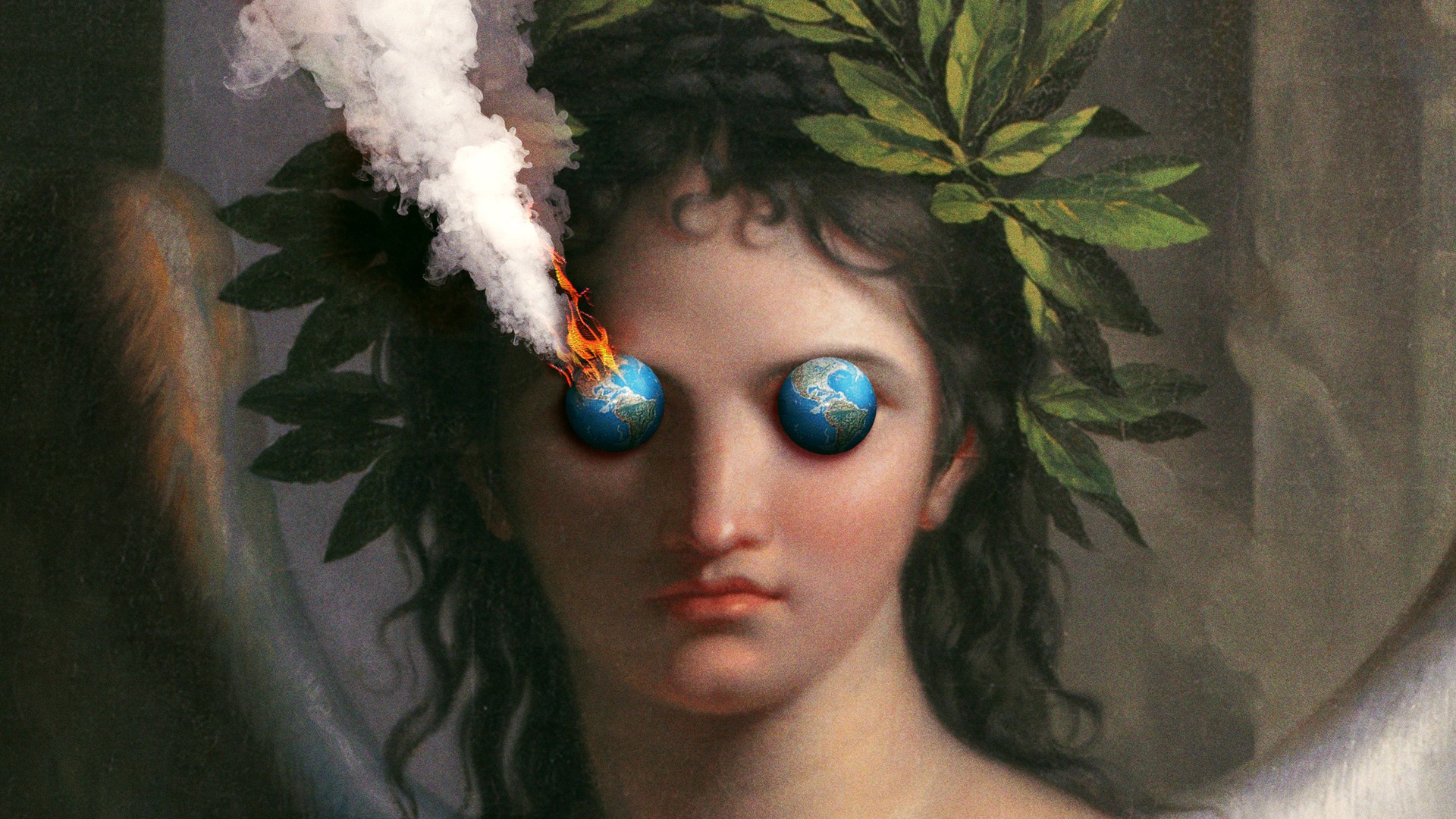
‘In this essay, Roy Scranton asks what we mean when we say “the world is ending.” Examining the nature of the narratives we tell ourselves about the future, he explores what revelation may be before us.

‘Please step forward in support of @olpejeta, home to the last two northern white rhinos on the planet. There’s an opportunity right now to win a trip there yourself! For a donation of just $10, the winner will get to go on safari to meet the rhinos. Ami will also give you a private photography workshop there. She is one of my favorite people in the world and one of my favorite photographers. I know that she will be an exceptional teacher. You will also gain firsthand knowledge about the incredible efforts to save rhino and other species from extinction. The trip will be scheduled only when it’s safe to travel. Please donate at
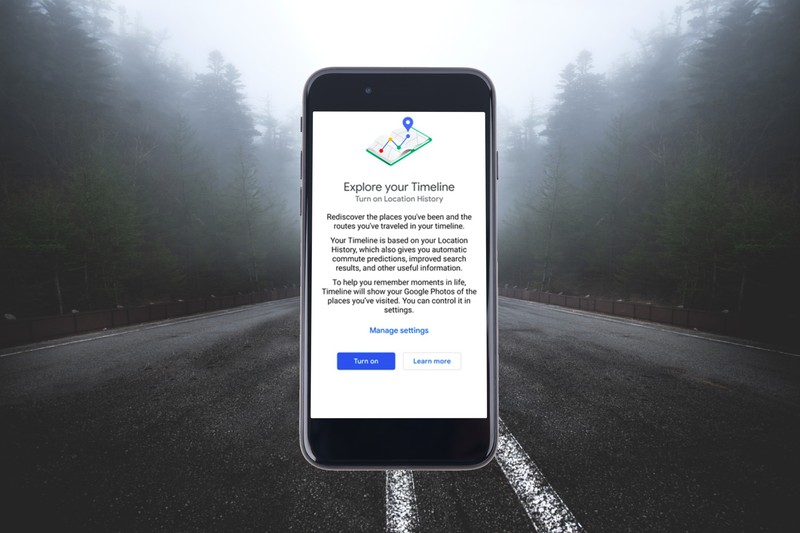
So far, Wuhan’s answer has been to create a version of normal that would appear utterly alien to people in London, Milan, or New York—at least for the moment. While daily routines have largely resumed, there remain significant restrictions on a huge range of activities, from funerals to hosting visitors at home. Bolstered by China’s powerful surveillance state, even the simplest interactions are mediated by a vast infrastructure of public and private monitoring intended to ensure that no infection goes undetected for more than a few hours.


Via
So you’re stuck at home. There’s a pandemic. What to do?
Rogue waves — enigmatic giants of the sea — were thought to be caused by two different mechanisms. But a new idea that borrows from the hinterlands of probability theory has the potential to predict them all….’