‘…There will never be a shared sense of reality about what really happened in 2016 or whether Trump obstructed justice during the investigation. No authoritative document could overcome the deep systemic forces that produced this dispute…’
’While foraging for mushrooms is fun, this video affirms that you really shouldn’t go hunting for some unless you’re with someone who really knows what they’re doing.…’
“The Beat poets began the counterculture movement in the arts that is the reason all the artists I know are still here in San Francisco,” said Andrew Sean Greer, a San Francisco-based novelist who won the 2018 Pulitzer Prize for “Less.”
“Ferlinghetti and his friends changed the city from men in gray flannel suits to poets in leaky basements, black and female and queer poets even then,” Greer tells CNN Travel. “We’re a continuation of that hope and rage and art. I still go to Caffe Trieste with a friend to write and Vesuvio to drink and City Lights for poetry.”
As he turns 100 on March 24, both Ferlinghetti and City Lights — which remains a beacon of poetry and progressive thought in San Francisco’s North Beach neighborhood– are celebrating.
City Lights is hosting an open house, galleries are featuring his photographs and paintings and San Francisco Mayor London Breed will declare March 24 Lawrence Ferlinghetti Day. There will also be events in New York City for the Bronxville native, who moved to San Francisco after attending University of North Carolina at Chapel Hill, serving in the US Navy during World War II and graduate school at Columbia University in New York and the Sorbonne in Paris. “Sunday should be a great day of celebration in Lawrence’s honor,” said punk art surrealist Winston Smith, who designed the controversial Dead Kennedys’ album cover, “In God We Trust, Inc.” in 1981. “He is so very beloved by his friends and neighbors in North Beach and people all round the world. Putting up with the human race for a full century deserves a reward.”
US licensing of esketamine, a version of the drug ketamine, “could usher in a wave of fast-acting treatments, but experts are worried.”
As a clinical psychiatrist, wrestling with the treatment of severe resistant depressive conditions in my patients, I share some of the concerns about possible side effects, long-term risks and potential associated social ills raised in this Guardian article.
Ketamine has a broad range of brain effects. It is a euphoriant, a hallucinogen, a dissociant, and an anaesthetic in overlapping but different dosage ranges. The article quotes Dr Carlos Zarate, head of experimental therapeutics and pathophysiology at the US National Institute of Mental Health, who conducted the first clinical trial of ketamine for depression in 2006, who says, in part,
“What’s particularly interesting about ketamine is that it has multiple effects throughout different brain biologies… This makes it much more unique than other treatments. Many of the symptom domains seen in depression, but not all, seem to respond to it.”
Zarate and other prominent psychiatrists can perhaps be forgiven for their enthusiasm for what they describe as the first truly novel development in the drug treatment of depression in several decades. However, let’s look at what I see as the absurdity in this comment. ‘Depression’ is a catchall name for biologically diverse conditions and states of mind, and increasingly so in the past few decades as manufacturers have marketed the expansion of the term in order to expand demand for their antidepressant products. Ketamine is far from ‘unique’ in its nonspecificity! If it acts immediately and acts across a range of depressive types and symptoms, it is fairly certain that it is not addressing the underlying pathophysiology of the condition but rather providing a generic ‘feel-good’ effect. To mix metaphors, it is sort of like using a sledge hammer to drive in a thumb tack… and, if it’s the only tool you’ve got, then it pays to see everything as if it is a thumb tack, right? (Certainly, those who sell sledge hammers would have you see it that way!)
Any drug with nonspecific euphoriant effects will make depressed people feel better. Indeed, they make anyone feel better. In this manner of speaking, cocaine and stimulant drugs (‘speed’) ‘treat’ depression. In fact, there is a school of thought (the ‘drug-of-choice’ model, or ‘self-medication hypothesis’) that some proportion of substance abuse patients may be unknowingly treating an underlying psychiatric disorder through their drug use. This extends to other intoxicants such as alcohol and sedative-hypnotics as well. Using nonspecific euphoriants for their antidepressant effects causes immense problems, and the use of ketamine may fall into that category.
The first of these is potential tolerance. This refers to the fact that the brain inures itself over time to the effects of the substance. It is not clear that ketamine will cause physiological tolerance — and there have not been long-enough duration studies to tell — but it is certainly possible. The brain resists being pushed out of its usual range of functioning into a euphoric state. With increasing resistance, it takes more and more of the substance, or more and more frequent administration, to produce the desired effect. One will be chasing one’s tail, so to speak, in a vicious cycle — the more one uses, the more one needs. There may come to be less and less therapeutic benefit or benefit only at such dosage that toxic effects start to predominate. To maintain its antidepressant effect, current guidelines suggest a weekly interval for esketamine treatment. Given the chronicity of some depressive conditions, patients may need to continue treatment over a period of years or even indefinitely. Dosages may need to be higher or treatments more frequent as time goes on. One could imagine that the pharmaceutical industry would welcome such captive audiences requiring open-ended treatment modalities.
Closely related to the development of tolerance is the potential for dependency. Ketamine is probably not physiologically dependency-inducing (“addictive”), in the sense of needing to keep using it to stave off physiological withdrawal (“drug sickness”) upon cessation. But a substance that makes people feel good so quickly is highly reinforcing and may thus be psychologically addictive even if not physically.
Proponents point out that the benefits of treatment may outweigh the risks for patients who have no other options. This begs the question of whether its use will continue to be restricted to patients whose depression is treatment-resistant and has failed other available options. After all, the last innovation in antidepressant development, the introduction of the SSRIs (Prozac and its cousins) in the 1980’s was originally meant to rescue those whose depression was resistant to the treatments of the day (the tricyclics and monoamine oxidase inhibitors). Now they have become the first-line treatments, completely supplanting the older agents in modern psychiatric practice… and some argue that they are inferior antidepressant agents for clinically significant clinical depression. To call them good antidepressants, society has had to accept a vastly expanded definition of depression. This loss of linguistic precision contributes to the ongoing medicalization of everyday life problems, to our detriment.
(I’m talking about the circular reasoning pitfall here. If someone’depression seems happier on ketamine, then ketamine is having an antidepressant effect. And if it is seen as an antidepressant, then anyone who responds to it had depression. And so on.)
I share the misgivings of Dr. Julie Zito, professor of pharmacy and psychiatry at the University of Maryland, who sums it up:
“There’s been a huge expansion in what constitutes depression. There are low-moderate depressives who are going through a divorce or struggling with a new job… What they might really need is counselling. But in the US, we love our pills and simple solutions to very complex problems.”
A further complication of esketamine use may be that, once available in the marketplace, we may be unable to stem its diversion for street use, either for recreational use or unsupervised self-medication for self-diagnosed depression. After all, we haven’t done such a great job with prescription opiates, and it does not appear we have learned much from that.
It is also important to recognize that esketamine was approved after only four relatively small and short-lived clinical trials with decidedly mixed results. As Zito points out,
“The FDA created this new innovative study category, which means they only required one randomised, double-blind placebo-controlled trial, not two, which is usually the criterion for a new drug.”
Furthermore, not only the breadth or duration of the drug’s benefit but its depth are in question. A treatment may be found to be superior to placebo in the sense of demonstrating a statistical toy significant difference on an outcome measure in a clinical trial, but this may not translate into something clinically meaningful to the patient’s life. In other words, this may not be a distinction that makes a difference. Such logically fallacious conclusions are a generic problem in psychopharmacological research. Zito, again, on the ketamine trials:
“They evaluated the efficacy using symptom score change and there was only a three- to four-point improvement on a 60-point scale, which you have to say is very modest. And that is what the whole thing hangs on.”
In the absence of robust and extensive double blind placebo-controlled trials, the interest in ketamine relies heavily, then, on anecdotal and first-person accounts of dramatic improvement. The benefits may derive from suggestion effects — a substance that drastically alters consciousness or subjective experience, as ketamine does, is a strong candidate to mobilize the placebo response, inspiring in the recipient the self-fulfilling prophecy that it is having a powerful effect. I am not entirely scoffing about this; I believe that a good part of the effect of many of the medications we use arises from enlisting the patient in a belief system in which the medication is helping, thus mobilizing their self-healing.
Concerns have repeatedly been raised about effects of ketamine administration such as hallucinations, out-of-body experiences, and fluctuations in blood pressure. Patients receiving esketamine will be required to remain in the clinic or the doctor’s office for two hours of monitoring after each treatment. But people are different; who is to say that someone will be free of risk precisely at the two-hour point? In preapproval studies, there were three suicides in the esketamine group as well as a fourth death in which a patient crashed his motorcycle shortly after dosing. (Hard to say, but did that represent suicidal intent? Impairment of judgment? Or perceptual and coordination problems?)
Of course, the manufacturer asserts that all those events were unrelated to the actions of the drug, but there were no corresponding events in the placebo group. With such a small studied group, certainly this difference may have been statistical accident, and severe depression indubitably carries suicide risk. But there have also been concerns about exacerbation of suicidal tendencies with earlier antidepressants. Going into detail about this concern is the subject for a different essay, but I’ll mention several different potential dangerous mechanisms. First, any side effects that make a person more uncomfortable (e.g. the restlessness and agitation caused by several of the SSRIs) can be the straw that breaks the camel’s back, tipping them over the edge to decide not to endure discomfort any longer. Second, not all symptoms of depression respond to treatment at the same rate. If a person’s depressive lack of energy and paralysis of will improve before their despair does, their motivation to act on their despondency may be mobilized. Third, some drugs, and ketamine as a euphoriant may be among them, may act by lowering inhibitions, including control over latent self-destructive urges.
Advocates of the use of ketamine and esketamine, thus, may be ignoring the fact that the Emperor has no clothes. We know too little about the pathophysiology of depression and too little about the pharmacology of ketamine. Classically, exposition on antidepressants has relied on the ‘monoamine hypothesis’ for the illness and the fact that the drugs address monoamine (primarily norepinephrine and serotonin) deficits. Yet, that has clearly been an incomplete or inadequate explanation. More recently, the focus in depression and just about every other psychiatric condition has turned to a different neurotransmitter, glutamate. There’s a lot of handwaving but we do not have a precise or coherent understanding of how glutamate is implicated in the mechanism of various disorders; certainly nothing that would guide clinical practice. And, surely enough, ketamine is thought of, among other actions, as a glutamate receptor blocker. Post hoc ergo propter hoc?
Similarly, in this post-monoamine world, there is a lot of handwaving interest in the idea that depression treatments may also work by correcting physical damage to nerve cells implicated in depression. Sure enough, the article invokes this ‘neuromythology’:
“…one idea is that (ketamine) triggers the brain to regrow connections between cells that are involved in mood, but no one really knows for sure.”
A complicated set of misgivings. In short, let us hope that ketamine, through its hallucinogenic effect, is not causing us to hallucinate clothes on the Emperor.
’Fair warning: It may be tough to find some of the 2019 Whiting Award winners on the shelves of your local bookstore. Most of the emerging writers have little more than a single widely published book to their name. A couple of them don’t even have that.
But what the 10 new Whiting recipients lack in publishing credits and international awards, they more than make up for in talent and promise — at least, according to the prize’s judges, who are bestowing $50,000 on each of them in the hopes of giving the winners “a first opportunity to devote themselves fully to writing, and the recognition has a significant impact.”
The winners announced at a ceremony Wednesday night in New York City, listed in alphabetical order, are: poet Kayleb Rae Candrilli, poet Tyree Daye, novelist Hernan Diaz, playwright Michael R. Jackson, nonfiction writer Terese Marie Mailhot, nonfiction writer Nadia Owusu, short fiction writer Nafissa Thompson-Spires, novelist Merritt Tierce, poet Vanessa Angélica Villarreal, and playwright Lauren Yee.…’
’We can’t blame people for giving up on a pet, especially when we don’t have the scaffolding in place to help them. And yet equally, if we say that animals are important to us, that they’re our family, and science demonstrates that they are capable of complex cognitive abilities and emotional states, then relinquishing them, knowing that it might kill them, is morally problematic.
The more we learn about animals – the more we force them into roles of friend, family member, surrogate child – the murkier become our obligations to them.
Maybe the solution is not keep pets at all…”The paradox is that the more we think of animals… as autonomous beings that have emotions and wants, the less right we have to keep them as a pet.” …’
’A new exhibit at the British Museum seems to clear up a longstanding debate. The figure in the painting is not screaming, but hearing a scream.
In a new exhibit titled Edvard Munch: Love and Angst, the museum features a lithograph version of the image that predated the iconic 1893 painting. Scrawled along the bottom is an inscription by the artist: “I felt the great scream throughout nature.”
The cryptic sentence refers to a walk Munch took near a fjord overlooking Oslo. He described it in a diary entry headed “Nice 22 January 1892”: I was walking along the road with two friends – the sun was setting – suddenly the sky turned blood red – I paused, feeling exhausted, and leaned on the fence – there was blood and tongues of fire above the blue-black fjord and the city – my friends walked on, and I stood there trembling with anxiety – and I sensed an infinite scream passing through nature.”
Another bit of supporting evidence: The painting’s original German title was “Der Schrei der Natur,” or “The Scream of Nature.”…’
’After more than two years of criminal indictments and steady revelations about contacts between associates of Donald J. Trump and Russia, we already know a lot about the work done by Robert S. Mueller III, the special counsel investigating Russia’s interference in the 2016 election. Here are the main findings and lines of inquiry and the people involved in each.…’
Ruling: Interior Department violated federal law by failing to take into account the climate impact of its oil and gas leasing…[F]irst time the Trump administration has been held to account for the climate impact of its energy dominance agenda, and it could have sweeping implications for the president’s plan
This is good news, and I’m tickled to learn that it comes from legacy activism. The friend, Yvonne, who pointed me to this development, noted that the case was brought by advocacy group Physicians for Social Responsibility. Nearly forty years ago, both she and I were strongly involved in the disarmament activities of this group, founded by charismatic Australian physician Helen Caldicott. PSR took the stance that the threat of nuclear war was an urgent public health threat and organized large numbers of physicians and other health professionals to make it a core issue. So pleased to learn that Caldicott and PSR are still out there fighting the good fight. Thanks, Yvonne!
’…[K]ey supporters are expressing misgivings as they sour on displays of his abrasive, abusive personality. In recent days, Trump has attacked the late Republican war hero John McCain, his own aide’s staunchly conservative, influential husband George Conway, and an autoworker union boss in Ohio.
…[T]here are signs that some voters in key blocs are expressing misgivings. Here are a few examples…’
’Saving the world from the apocalyptic impact of climate change should be a dream for many Silicon Valley titans concerned about legacy, says David Wallace-Wells, and yet few are dedicating themselves to addressing the catastrophe. Negative emissions technology funded by Bill Gates exists. It would cost $3 trillion per year to operate and would mean human industry could continue at current levels without global warming. That figure sounds astronomical, however global subsidies to fossil fuel industries cost $5 trillion per year.…’
’Real wasabi, Wasabia japonica, is apparently one of the most expensive vegetables to grow. That green stuff you’re eating? Ground horseradish, Chinese mustard, and, you guessed it, green food coloring. Yum.
According to The Atlantic, “Worldwide, experts believe that this imposter combination masquerades as wasabi about 99% of the time.”…’
’President Donald Trump has repeatedly attacked the late Sen. John McCain in the past weeks, for reasons known largely to himself. On Wednesday, Trump escalated his feud with a dead man, launching into an unprompted rant about McCain’s funeral (among other things) during a speech at a tank factory in Lima, Ohio.…’
’As a board-certified toxicologist at a major veterinary diagnostic laboratory, I have had experience working with a broad spectrum of poisoning incidents in all types of animals, including our companions. Recently, our lab has seen an increase in the number of positive tests for marijuana in dogs, many of whom may have accidentally ingested edible forms of marijuana. The American Society for the Prevention of Cruelty to Animals has reported a more than 700 percent increase in calls related to marijuana to its poison center in 2019….
THC is known to be toxic to dogs. According to the Merck Veterinary Manual, common signs of marijuana toxicosis that owners may notice include inactivity; incoordination; dilated pupils; increased sensitivity to motion, sound or touch; hypersalivation; and urinary incontinence. A veterinary exam can reveal depression of the central nervous system and an abnormally slow heart rate. Less common signs include restlessness, aggression, slow breathing, low blood pressure, an abnormally fast heart rate, and rapid, involuntary eye movements. In rare cases, animals can have seizures or become comatose.…’
’Welcome to an equinox on planet Earth. Today is the first day of spring in our fair planet’s northern hemisphere, fall in the southern hemisphere, with day and night nearly equal around the globe. At an equinox Earth’s terminator, the dividing line between day and night, connects the planet’s north and south poles as seen at the start of this remarkable time-lapse video compressing an entire year into twelve seconds. To make it, the Meteosat satellite recorded these infrared images every day at the same local time from a geosynchronous orbit. The video actually starts at the September 2010 equinox with the terminator aligned vertically. As the Earth revolves around the Sun, the terminator tilts to provide less daily sunlight to the northern hemisphere, reaching the solstice and northern hemisphere winter at the maximum tilt. As the year continues, the terminator tilts back again and March 2011 equinox arrives halfway through the video. Then the terminator swings past vertical the other way, reaching the the June 2011 solstice and the beginning of northern summer. The video ends as the September equinox returns.…’
’Every now and then an image appears online which people claim shows a time traveller somewhere they shouldn’t be. But are they just cases of people letting their imaginations run wild?
We’ve rounded up some of the best and most interesting images of time travellers throughout history. Some turned out to be plain fakes or cases of mistaken identities, but others are certainly intriguing.…’
Elizabeth Warren hits it at town hall, but is it realistic?
’To ditch the Electoral College entirely, the US would have to pass a constitutional amendment (passed by two-thirds of the House and Senate and approved by 38 states) — or convene a constitutional convention (which has never been done, but would have to be called for by 34 states). Either method is vanishingly unlikely because each would require many small states to approve a change that would reduce their influence on the presidential outcome.
There is one potential workaround, however: the National Popular Vote Interstate Compact, a clever proposal that uses the Constitution’s ambiguity on electors to its own ends.
A state signing on to the compact agrees that it will pledge all its electors not to its state winner but to the victor in the national popular vote — but only if states controlling 270 or more electoral votes have agreed to do the same. If they do, and everything works as planned, then whoever wins the popular vote will necessarily win the electoral vote too.
It’s an interesting proposal that’s already been enacted into law by 12 states (including the large states of California and New York) and the District of Columbia, which together control 181 electoral votes. But there’s one big obstacle: Most of the states that have adopted it are solidly Democratic, and just one is a swing state.
So unless a bunch of swing states decides to reduce their own power or Republican politicians conclude that a system bringing the power of small and rural states in line with that of big urban centers is a good idea, the compact isn’t going to get the support it needs, as FiveThirtyEight’s Nate Silver has written.…’
’As an experienced airline pilot, aircraft accident investigator and professor of aviation, I know that such major crash investigations are an enormous effort often involving many countries’ governments and input from dozens of industry partners. The inquiries can take months of painstaking work. They often yield important insights that improve flight safety for everyone long into the future. Here’s how an investigation generally goes.…’
Once-fringe phenomenon taking root among the powerful:
’A new book by D.W. Pasulka — professor and chair of the department of philosophy and religion at the University of North Carolina Wilmington — American Cosmic: UFOs Religion, and Technology, focuses not on grassroots investigative societies or marginal cults, but on UFO believers in the halls of power.…’
’A huge fireball exploded in the Earth’s atmosphere in December, according to Nasa. The blast was the second largest of its kind in 30 years, and the biggest since the fireball over Chelyabinsk in Russia six years ago. But it went largely unnoticed until now because it blew up over the Bering Sea, off Russia’s Kamchatka Peninsula. The space rock exploded with 10 times the energy released by the Hiroshima atomic bomb.…’
’While this capability, called magnetoreception, is well known in birds and fish, there is now evidence that our brains are also sensitive to magnetic fields. The researchers from Caltech and the University of Tokyo measured the brainwaves of 26 participants who were exposed to magnetic fields that could be manipulated. Interestingly, the brainwaves were not affected by upward-pointing fields.…’
’A Pennsylvania couple spotted one of the world’s most unusual birds in their backyard feeder. The northern cardinal looked like it was painted down the middle: one half was the brown of a female cardinal, and one half had the bright red plumage of a male. This unusual specimen is called a gynandromorph; half the animal is male and half the animal is female. Gynandromorphy is an extremely rare condition observed in a variety of insects, snakes, crustaceans, and birds.…’
Love to drop F-bombs? Thank the shift to agriculture:
’A new study suggests that the f and v sounds were made easier to pronounce by the change in our diets the invention of farming made possible.
The idea isn’t a new one, but is only now being taken seriously.
Even today, many hunter-gather cultures lack labiodentals in their languages.…’
’This is the first study to explore not only what percentage of people in the general population choose to watch videos of graphic real-life violence, but also why.…’
’The drawing above is Pegasus by Jean-Michel Basquiat. His first art dealer, Annina Nosei, once called it “the most beautiful drawing ever”. I am not going to disagree with her. I’ve only seen Basquiat’s work sporadically, mostly single paintings included in larger exhibitions with Warhols and Harings, but when I saw Pegasus in this short video about the artist’s life & work, it grabbed me, an instant favorite.…’
’W. S. Merwin, a formidable American poet who for more than 60 years labored under a formidable poetic yoke: the imperative of using language — an inescapably concrete presence on the printed page — to conjure absence, silence and nothingness, died on Friday at his home near Haiku-Pauwela, Hawaii. He was 91.…’
Why did he promise me that we would build ourselves an ark all by ourselves out in back of the house on New York Avenue in Union City New Jersey to the singing of the streetcars after the story of Noah whom nobody believed about the waters that would rise over everything when I told my father I wanted us to build an ark of our own there in the back yard under the kitchen could we do that he told me that we could I want to I said and will we he promised me that we would why did he promise that I wanted us to start then nobody will believe us I said that we are building an ark because the rains are coming and that was true nobody ever believed we would build an ark there nobody would believe that the waters were coming
’A team of scientists just demonstrated something that might shock you: Mercury, not Venus, is the closest planet to Earth on average.
The researchers presented their results this week in an article in the magazine Physics Today. They explain that our methods of calculating which planet is “the closest” oversimplifies the matter. But that’s not all.
“Further, Mercury is the closest neighbor, on average, to each of the other seven planets in the solar system,” they write. Wait—what?…’
Steve Calandrillo, Professor of Law, University of Washington:
’In an effort to avoid the biannual clock switch in spring and fall, some well-intended critics of DST have made the mistake of suggesting that the abolition of DST – and a return to permanent standard time – would benefit society. In other words, the U.S. would never “spring forward“ or “fall back.”
They are wrong. DST saves lives and energy and prevents crime. Not surprisingly, then, politicians in Washington, California and Florida are now proposing to move to DST year-round.
Congress should seize on this momentum to move the entire country to year-round DST. In other words, turn all clocks forward permanently. If it did so, I see five ways that Americans’ lives would immediately improve.…’
Doctor couldn’t be bothered to tell him face-to-face:
’Ernest Quintana’s family knew he was dying of chronic lung disease when he was taken by ambulance to a hospital, unable to breathe.
But they were devastated when a robot machine rolled into his room in the intensive care unit that night and a doctor told the 78-year-old patient by video call he would likely die within days.
“If you’re coming to tell us normal news, that’s fine, but if you’re coming to tell us there’s no lung left and we want to put you on a morphine drip until you die, it should be done by a human being and not a machine,” his daughter Catherine Quintana said Friday.
Ernest Quintana died Tuesday, two days after being taken to the Kaiser Permanente Medical Center emergency department in Fremont.…’
’A diver in South Africa survived an experience out of a biblical passage last month when he ended up almost being swallowed by a whale.
Rainer Schimpf, 51, was snorkeling off the coast of Port Elizabeth, South Africa, when he ended up in the path of a Bryde’s whale, which opened his jaws and engulfed him headfirst.
A Message from NRG
Sponsored Video
Watch to learn more
“We were very astonished that out of nowhere this whale came up,” he told Sky News. “I was busy concentrating on the sharks because you want to know if the shark is in front of you or behind you, left or right, so we were very focused on the sharks and their behavior – then suddenly it got dark.”
Schimpf, who has worked as a dive operator for over 15 years, said he was in the water with two others for just a matter of minutes before the whale appeared. He had happened to be with a group recording a sardine run, which is where marine animals such as dolphins, whales, and sharks gather fish into bait balls.
The 51-year-old said once the whale grabbed him, he felt pressure around his body but soon realized he was too big for the whale to swallow him whole which was “kind of an instant relief.”
“So my next thought was that the whale may take me down into the ocean and release me further down, so I instantly held my breath,” he told Sky News. “Obviously he realized I was not what he wanted to eat so he spat me out again.”…’
’Influenza’s shifty nature has thwarted scientists’ efforts to develop a vaccine that could be administered once, or rarely, and provide long-lasting protection against most or all strains. Antiviral drugs like Tamiflu, administered post-infection, can be effective, but some quickly shifting strains soon become resistant to the drugs.
Research published Thursday in Science details the early development of what might eventually become a drug that’s more broadly effective. It’s designed to target areas of the influenza virus that hold constant from strain to strain.…’
’Starting in 2021, Americans, as well as others from visa-free countries, will have to do a little more work before they’ll be able to visit a number of European countries. Now, getting into places like Germany, France, and Spain just requires your U.S. passport, but in a little under two years you’ll also need to apply for entry into those countries and several others before you go. Curious what that means? Here’s a rundown of what you need to know…’
Courts can grant human rights to nonhuman entities such as rivers, forests, mountains, and nonhuman animals. When this is done, harm against the entity carries the same punishment as harm against humans.
New, ethically controversial, era of neurointervention:
’A team of scientists in Spain is getting ready to experiment on prisoners. If the scientists get the necessary approvals, they plan to start a study this month that involves placing electrodes on inmates’ foreheads and sending a current into their brains. The electricity will target the prefrontal cortex, a brain region that plays a role in decision-making and social behavior. The idea is that stimulating more activity in that region may make the prisoners less aggressive.
This technique — transcranial direct current stimulation, or tDCS — is a form of neurointervention, meaning it acts directly on the brain. Using neurointerventions in the criminal justice system is highly controversial. In recent years, scientists and philosophers have been debating under what conditions (if any) it might be ethical.
The Spanish team is the first to use tDCS on prisoners. They’ve already done it in a pilot study, publishing their findings in Neuroscience in January, and they were all set to implement a follow-up study involving at least 12 convicted murderers and other inmates this month. On Wednesday, New Scientist broke news of the upcoming experiment, noting that it had approval from the Spanish government, prison officials, and a university ethics committee. The next day, the Interior Ministry changed course and put the study on hold.…’
’Christine Korsgaard is a distinguished philosopher who has taught at Harvard for most of her career. Though not known to the general public, she is eminent within the field for her penetrating and analytically dense writings on ethical theory and her critical interpretations of the works of Immanuel Kant. Now, for the first time, she has written a book about a question that anyone can understand. Fellow Creatures: Our Obligations to the Other Animals is a blend of moral passion and rigorous theoretical argument. Though it is often difficult—not because of any lack of clarity in the writing but because of the intrinsic complexity of the issues—this book provides the opportunity for a wider audience to see how philosophical reflection can enrich the response to a problem that everyone should be concerned about.
Since the publication of Peter Singer’s Animal Liberation in 1975, there has been a notable increase in vegetarianism or veganism as a personal choice by individuals, and in the protection of animals from cruel treatment in factory farms and scientific research, both through law and through public pressure on businesses and institutions. Yet most people are not vegetarians: approximately 9.5 billion animals die annually in food production in the United States, and the carnivores who think about it tend to console themselves with the belief that the cruelties of factory farming are being ameliorated, and that if this is done, there is nothing wrong with killing animals painlessly for food. Korsgaard firmly rejects this outlook, not just because it ignores the scale of suffering still imposed on farmed animals, but because it depends on a false contrast between the values of human and animal lives, according to which killing a human is wrong in a way that killing an animal is not.…’
’This photo, courtesy of the British Tarantula Society, shows the recently-discovered burrow-dwelling spider [Birupes simoroxigorum] in its full glory.
It’s been described as the most beautiful spider (more via Metafilter) but not without controversy.…’
’The normalization of Trump’s unpredictable, spasmodic presidency, as well as the fact that so many of us don’t have the stomach to tolerate two-plus hours of watching him, are perhaps the only reasons why more Americans aren’t gathered as we speak, devising how best to legally remove him from office. For what it’s worth, I propose here and now that this conversation must begin in earnest.
Trump’s obvious mental instability and emotionally erratic behavior has reached a harrowing new depth. They need to be addressed by our political leadership with the same urgency as the myriad investigations into his crimes. This has to begin now before it’s too late. He will clearly do and say whatever it takes to secure his status, and it’s the presidency alone that’s keeping him out of federal prison. He’s at least competent enough to understand this, and he might be crazy enough to do anything to avoid accountability. We’re in new territory. There is no road map, and what we do now will determine whether Trump is the last Trump, or possibly the first of many Trumps along the not-so-lengthy journey into a permanent form of lunatic authoritarianism. It’s time to take his madness seriously now before he levels-up again.…’
’Even as the 2020 race begins in earnest, President Donald Trump is already suggesting that Democrats cannot beat him fairly – raising the specter that if he loses next November, he will suggest that the election was not legitimate.…’
‘If over the weekend you saw a rambling madman give a frighteningly incoherent, sweaty, two-hour shoutfest of a speech at a right-wing summit, then you viewed a president coming unglued on national television in a way that has probably never been seen before in United States history. And that is extraordinary cause for alarm. But if, instead, you saw nothing more than a “fiery” Donald Trump give a “zigzagging,” “wide-ranging,” “campaign-like” address where the Republican really “let loose,” then you likely work for the D.C. press, which once again swung and missed when it came to detailing the escalating threat that Trump represents to the country.…’
’The New York Times reports that a team of scientists plan to announce tomorrow that a patient in London has been effectively cured of HIV. The cure reportedly was the result of a bone-marrow transplant that came with a genetic mutation that naturally blocks HIV from spreading throughout the body. This approach isn’t quite practical to implement on a large scale, but the knowledge gained from it will likely help scientists develop more scalable approaches.…’
’Rest assured, potential Republican challengers are making secret plans to be the literal white knight to rescue the Party from the chaos that is Trump. Presenting themselves as the rational alternative to the man circling the political drain. It’s the Democrats who must have a strategy besides running against Donald J. Trump. What if the only message they have is, “Trump is bad,” and it turns out he isn’t on the ballot?
At the moment, enough Republicans have tied themselves to the Trump anchor that it’s hard to see a Republican victory. But it’s a long time between now and the election in November of 2020. Democrats need to have a plan for a different Nominee…’
‘Researchers from Harvard, the University of Michigan, and UCLA have conducted the first ever randomized controlled trial on the efficacy of parachutes. As detailed in a cheeky study published late last year in the prestigious British Medical Journal, the researchers enlisted 23 volunteers to jump out of a plane or helicopter to test whether the use of parachutes reduced risk of injury or death…
Remarkably, the researchers found that “parachute use did not significantly reduce death or major injury.” Indeed, there were zero deaths or serious injuries in either group. As the researchers noted in their conclusion, however, this likely had to do with the fact that… (more)’
’Utterly broken but oddly confident, Cohen gave answers both crisp and precise. He often corrected basic facts from his congressional questioners and clarified specifically both answers and questions. He laid out reasons for seeking redemption that seemed relatable and understandable. In the process, he gave the most sensible narrative to date of Donald Trump’s unsavory journey to the White House.…’
The Journal of Health Psychology has just published an extraordinary pair of papers that call for a new inquiry into a 30-year old case of probable scientific fraud.
According to Anthony J. Pelosi, author of the main paper, the case was “one of the worst scientific scandals of all time” and yet has never been formally investigated. The journal’s editor, David F. Marks, agrees and, in an editorial, also calls for the retraction or correction of up to 61 papers.
The scandal in question is one I had never heard of before, but the facts are jaw-dropping. Beginning in 1980, a Dr Roland Grossarth-Maticek reported that he had discovered a cancer-prone ’emotionally repressed’ personality. Someone with this personality type was, he claimed, at very high risk of later developing cancer. A second personality type predicted ‘internal diseases’, such as stroke and hypertension. Even more remarkably, Grossarth-Maticek said, a brief course of psychotherapy was enough to virtually eliminate the excess risks.
Despite the fact that Grossarth-Maticek was claiming to have found a way to prevent most cancers, his work was largely ignored. Then, at the end of the 1980s, he started a collaboration with Prof. Hans Eysenck, of the Institute of Psychiatry in London (now part of King’s College London).
Eysenck was an eminent and extremely influential psychologist in Britain, perhaps the most prominent of his era, so the papers that Eysenck and Grossarth-Maticek published together around 1990 were widely read. Eysenck had no role in the data collection of any of these studies, but his name was an endorsement of their credibility.…’
An extraordinary assertion first observed by Richard Feynman — the correct laws of physics are expressible in a multiplicity of ways. This doesn’t work if the laws are misstated. This “Rashomon effect… raises metaphysical questions about the meaning of physics and the nature of reality.”
’Not having a meaningful life can be dreadful, and psychologist Viktor Frankl thought it was the root cause of many neuroses. His ideas became Logotherapy, which focuses on the need for a meaningful life and has shown success in many areas. Many studies agree that leading a meaningful life has tangible benefits and lacking meaning can lead to problems.…’
‘After a lengthy 11-week trial, a jury on Tuesday convicted Joaquín Guzmán Loera, the Mexican drug kingpin known as El Chapo. Mr. Guzmán, 61, faced 10 charges, including leading a criminal enterprise and the importation and sales of large amounts of narcotics into the United States. He now will likely spend the rest of his life in prison.
The trial allowed prosecutors to extensively detail the inner workings of Mr. Guzmán’s Sinaloa cartel, providing unparalleled insight into international drug trafficking. Here are 11 of the most important takeaways, in no particular order…’
‘“I feel like I’m wasting my life,” he told me. “When I die, is anyone going to care that I earned an extra percentage point of return? My work feels totally meaningless.” He recognized the incredible privilege of his pay and status, but his anguish seemed genuine. “If you spend 12 hours a day doing work you hate, at some point it doesn’t matter what your paycheck says,” he told me. There’s no magic salary at which a bad job becomes good. …’
’New findings released on Wednesday show that at current emissions rates, we’re just five generations away from creating an atmosphere the likes of which hasn’t been seen in 56 million years. The last time carbon dioxide levels were as high as we’re headed for, it helped create one of the greatest die offs in recent Earth history.…’
’Zebras are famous for their contrasting black and white stripes – but until very recently no one really knew why they sport their unusual striped pattern. It’s a question that’s been discussed as far back as 150 years ago by great Victorian biologists like Charles Darwin and Alfred Russel Wallace.
Since then many ideas have been put on the table but only in the last few years have there been serious attempts to test them. These ideas fall into four main categories: Zebras are striped to evade capture by predators, zebras are striped for social reasons, zebras are striped to keep cool, or they have stripes to avoid attack by biting flies.
Only the last one stands up to scrutiny. And our latest research helps fill in more of the details on why.…’
Atlas Obscura reports on Osaka’s decision to ‘break up’ with San Francisco after the latter put up a statue honoring “comfort women,” who were enslaved in Japanese brothels during World War II. The incident is the occasion for a deeper examination of the fascinating and complicated history of the twinning phenomenon between cities.
’On Friday, President Trump tossed precedent out the window and declared a national emergency to pay for an unneeded border wall he previously promised Mexico would pay for.
His declaration isn’t just setting up a massive court battle. It also opens the door to imagining how a Democratic president could wield emergency powers to tackle climate change, something Republicans are already worrying about and Democrats are already embracing as a path forward given the years of Republican filibustering, inaction, and denial.…’
In a bombshell revelation, the The New York Times reports that House sources have revealed a Trump plan to open nuclear power plants across Saudi Arabia. Former national security adviser Michael Flynn is reportedly strongly involved in the plan. Trump apparently began thinking about this scheme right after his inauguration and, undissuaded by concerns about conflicts of interest and national security constraints, is still considering the plan. The export of nuclear technology could violate the US Atomic Energy Act of 1954, and the plan has been opposed by Trump advisers including the chief of the National Security Council. Usually, Congress needs to approve the foreign export of American technologies but the Trump administration reportedly ignored warnings about such constraints. The owners of Westinghouse Electric, a nuclear plant manufacturer, bailed out the family of Trump son-in-law Jared Kushner by investing in a property of theirs that was heavily in debt. All of this raises questions about Kushner’s impending Middle East trip.
’Could Trump be laying the ground work to declare another national emergency to silence SNL?!
…My hope is that members of the media who interview Republican members of Congress in the next few days ask them point blank whether they would support Trump’s “retribution” and potential investigations into how SNL and other comedy shows create their shows. It is important Republicans make it explicitly clear that Trump’s war on freedom of expression is wrong…’
’When you lose your sense of smell, everything from coffee to sex is just not as much fun. After a year of suffering, a rigorous regimen of smell training brought it back.…’
Indiana University School of Medicine researchers:
’“We have developed a prototype for a blood test that can objectively tell doctors if the patient is in pain, and how severe that pain is. It’s very important to have an objective measure of pain, as pain is a subjective sensation. Until now we have had to rely on patients self-reporting or the clinical impression the doctor has. When we started this work it was a farfetched idea. But the idea was to find a way to treat and prescribe things more appropriately to people who are in pain.”…’
’A man is suing his parents for giving birth to him without his consent. That might sound ridiculous, but he has a point. The plaintiff behind the lawsuit, 27-year-old Raphael Samuel, believes in “anti-natalism,” namely the philosophical theory that parents do not have moral standing to bring an unwitting child into the world. And there are some seriously legitimate philosophers who advocate for this argument.…’
‘IMAGINE A SITUATION IN WHICH an American defendant hires a British lawyer for a trial in an American courtroom. The accused then demands that a British interpreter be found. British-American legal interpreters are hard to find, so the demand could delay the case for years, possibly even long enough that the case has to be simply thrown out due to the statute of limitations—despite the fact that, obviously, a British lawyer is perfectly capable of being understood in an American courtroom.
This actually happens on a regular basis in the countries that once made up Yugoslavia. The language situation in the Balkans is so unusual that there is no consensus, either among native speakers or linguistic researchers, about what to even call the … thing people speak in Serbia, Croatia, Bosnia and Herzegovina, and Montenegro. Outside the region, it’s usually referred to as “Serbo-Croatian,” but neither linguists nor the people who actually speak it like to call it that. …’
’Russian authorities have declared a state of emergency in the remote, sparsely populated Novaya Zemlya islands in the Arctic Ocean, the BBC reported this weekend, after “dozens” of polar bears whose food sources are limited due to climate change started rooting through homes and other buildings near the settlement of Belushya Guba looking for something to eat.
According to the BBC, officials said that the bears no longer fear either police patrols or the signals used to keep them away from humans, and that they have even crossed onto the grounds of the local air defense garrison. Though the animals are considered endangered by Russia (the IUCN Red List classifies them as “vulnerable,” with a decreasing population), officials said that if non-lethal means fail to drive the bears away, they may be forced to cull the animals, the BBC added.…’
Benjamin Dreyer sees language the way an epicure sees food. And he finds sloppiness everywhere he looks:
’With his finely tuned editing ear, Benjamin Dreyer often encounters things so personally horrifying that they register as a kind of torture, the way you might feel if you were an epicure and saw someone standing over the sink, slurping mayonnaise directly from the jar.…’
’In 1909, the Japanese scientist Kuniomi Ishimori collected spinal fluid from sleep-deprived dogs and injected it into active, rested pooches. Within hours, the latter fell into a deep sleep. By coincidence, a pair of French researchers did the same experiments a few years later and got the same results. These studies, and others like them, suggested that the blood of sleepy animals contains some kind of soporific secret sauce of chemicals. Ishimori called these “hypogenic substances.” Others labeled them “somnogens.”
The sources of these sleep-inducing chemicals have proved surprisingly elusive, and scientists have found only a few that fit the bill. Now Hirofumi Toda from the University of Pennsylvania has discovered another—a gene called nemuri that triggers sleep, at least in fruit flies. Unexpectedly, it also becomes active during infections and acts to kill incoming microbes. It seems to be part of a self-regulating system, analogous enough to an internal thermostat that we might call it a sleep-o-stat. It can send animals to sleep when they most need shut-eye, whether because they’re sick or because they just haven’t slept enough.
This sleep-o-stat works separately from the daily body clocks that make us feel more tired at night.…’
’The reason it’s hard to love our “neighbor” is because, from an evolutionary standpoint, people outside of our groups have always been suspected as possible threats. The way to love “others” is by engaging with them long enough that we begin to see, in them, ourselves. That is, we see our own struggles and challenges reflected back. …[T]he “last thing” Jesus wanted to do was found a religion that would divide humanity even more. Jesus would be “mortified” …that his followers started a religion in his name.…’
In 1971, two years before Roe v. Wade legalized abortion, the biggest white evangelical group in America, the Southern Baptist Convention, supported its legalization. The group continued that support through much of the 1970s. And the late Jerry Falwell, founder of the Moral Majority, did not give his first antiabortion speech until 1978, five years after Roe.
Though opposition to abortion is what many think fueled the powerful conservative white evangelical right, 81 percent of whom voted for Donald Trump, it was really school integration, according to Randall Balmer, chairman of the religion department at Dartmouth.…’
’In conjunction with the Feb. 5 op-ed “The case for starting impeachment hearings,” by Ben Clements and Ron Fein, we asked readers whether, in the case of President Trump, it was too soon to start the process or long overdue. We received nearly 50 responses, and sentiments ran about 4 to 1 in favor of beginning the move toward impeachment (though many of the nays were just as critical of the president). The following is an edited sample:…’
Bandy X. Lee and Leonard L. Glass on ‘Malignant Normalcy’:
’A year ago, we affirmed our duty as psychiatrists to alert the public about a president’s mental state if it posed a danger to society. To fulfill that responsibility, we both contributed to the book “The Dangerous Case of Donald Trump: 27 Psychiatrists and Mental Health Experts Assess a President.” Now, almost two years later, there appears to be consensus among all but the president’s most loyal supporters that Trump is indeed unstable and dangerous. Yet the voice of those most qualified to assess mental impairment has been largely absent, slowing the public’s understanding, and hampering its ability to demand protective action.
…What was remarkable and alarming was that, in the face of this overwhelming agreement, the APA decided to escalate the Goldwater rule into a total gag order, so that a member who speaks out about a public figure and identifies himself/herself as a psychiatrist is in violation of the APA’s ethical code. This is unlike any other medical speciality…
To make matters worse, around this time last year, the emergency medicine specialist and White House physician Dr. Ronny Jackson, without proper training in mental health and without appropriate independence, declared his employer and commander in chief “mentally fit to serve.” He did so based on a 10-minute dementia screen that has been discouraged from use for ruling out dementia after several studies in 2015 showed full-blown Alzheimer patients and hospitalized schizophrenia patients scored in the normal range. Specialists therefore recommend that full neuropsychiatric testing still be performed for those suspected of having early dementia. Dr. Jackson’s actions have only served further to eclipse the opinions of mental health professionals in the face of perhaps the greatest public mental health crisis we have faced in our lifetimes, but this is not new: White House physicians are known to cover up presidents’ conditions in ways that are thought to have negatively influenced the course of history. Authoritative scholars, therefore, suggest that the White House physician remain strictly the president’s personal physician, and that fitness for office tests be outsourced to an independent body.
Dr. Robert Jay Lifton called this the spread of “malignant normality,” based on his study of how Nazi doctors were acculturated into accepting the task they were given in the killing process at Auschwitz as “normal.” Human beings are very adaptable, and there is almost no degree of pathology we could not grow accustomed to, unless those with clear knowledge of what was happening were to speak out. Based on the experience of physician compliance with Nazism, we now have the Declaration of Geneva, the universal physician’s pledge that recognizes either silence or active cooperation with a destructive regime as running counter to medicine’s humanitarian goals. For this reason, we continue to believe that public discourse by mental health professionals on what is at the source a national mental health crisis is the first step to having clarity and empowering the people. The American Psychiatric Association has failed to respond to this emergency; at a minimum, it should cease threatening and demeaning those psychiatrists who do…’
’Historian Tiffany Watt Smith argues that schadenfreude, the joy we derive from another’s misfortune, is just a natural part of the very complex emotional responses we have as human beings.…’
> ‘In May, Denver will vote on whether or not to decriminalize magic mushrooms. In addition to their ability to combat depression and anxiety, magic mushrooms can also affect people’s perspective, including their political positions….’
>’Whatever you may have read over the past year — as extreme weather brought a global heat wave and unprecedented wildfires burned through 1.6 million California acres and newspaper headlines declared, “Climate Change Is Here” — global warming is not binary. It is not a matter of “yes” or “no,” not a question of “fucked” or “not.” Instead, it is a problem that gets worse over time the longer we produce greenhouse gas, and can be made better if we choose to stop. Which means that no matter how hot it gets, no matter how fully climate change transforms the planet and the way we live on it, it will always be the case that the next decade could contain more warming, and more suffering, or less warming and less suffering. Just how much is up to us, and always will be….’
‘…[Y]es, a lot of people find ASMR relaxing. Others find it horrifying. Or at the very least it freaks them out, like the Michelob Ultra ad featuring Kravitz did.
It’s not Kravitz that’s the problem, it’s just that ASMR is not for everyone! For every person that chills out to the sound of someone rubbing Velcro or sipping from a beer bottle, there’s someone else who thinks ASMR feels like being haunted by a very quiet ghost with no sense of personal space. …’
’In what is now an annual tradition, when the temperatures in some part of the US plunge below zero degrees on the Fahrenheit scale, some nitwit Republican climate change-denier live-tweets from the back pocket of industry something like “It’s so cold out where’s the global warming when we need it???? #OwnTheLibs”. This time around, it was our very own Shitwhistle-in-Chief who tweeted merrily about the current polar vortex bearing down on the Midwest…’
As the article tells it, there are two major factors in the relationship between climate change and severe cold snaps. The first is perception. Quite simply, as it warms up, cold snaps that used to be more typical now seem more memorably extreme. The second reason is a more meteorological one. Global warming is causing a warming in polar latitudes that diminishes the temperature gradient between the poles and the middle latitudes. As a result, the jet stream is weakened and slowed. It thus takes a more meandering course and, in so doing, splits the stratospheric polar vortex into eddying swirls, some of which wander southward and bring their cold air to lower latitudes.
’Robots that are self-aware have been science fiction fodder for decades, and now we may finally be getting closer. …Columbia Engineering researchers have made a major advance in robotics by creating a robot that learns what it is, from scratch, with zero prior knowledge of physics, geometry, or motor dynamics. Initially the robot does not know if it is a spider, a snake, an arm—it has no clue what its shape is. After a brief period of “babbling,” and within about a day of intensive computing, their robot creates a self-simulation. The robot can then use that self-simulator internally to contemplate and adapt to different situations, handling new tasks as well as detecting and repairing damage in its own body. The work is published today in Science Robotics.…’
Anand Giridharadas, the critic who has the world’s richest people buzzing:
’Q: What does Davos stand for in your view? Do you have any particular thoughts on this year’s, specifically?
Anand Giridharadas: I think Davos is a family reunion for the plutocrats that broke the modern West. I’ve never been to it, so I’m a cultural critic looking from a distance, but it seems to me to be a gathering of people who think that they are changing the world when they are exactly what needs changing. A gathering of people who use the idea of making a difference as a kind of lubricant in the engine of making a killing, of people who promote generosity as a cheap substitute for justice.…’
Today is Groundhog Day and, this year, since Punxsutawney Phil did not see his shadow, spring is coming early. In the Pagan calendar, it is Imbolc (or Imbolg), which has marked the beginning of spring since ancient times, coming at the midpoint between the astronomical winter solstice (“Yule”) and the spring equinox (“Ostara”) in the northern hemisphere. It is one of the four Gaelic seasonal festivals that fall at the ‘quarter cross points’ between the equinoxes and the solstices, along with Beltane, Lugnasadh, and Samhain.
Imbolc was a time to celebrate Brigid (Brigit, Brighid, Bride, Bridget, Bridgit, Brighde, Bríd), the Celtic Goddess of inspiration, healing, and smithcraft with associations to fire, the hearth and poetry. When Ireland was Christianized in the 5th century, the festival of Brigid became Saint Brigid’s Day, although the chronology of the transmigration from the Celtic goddess to the Christian saint is not universally accepted. Imbolc derives from the Old Irish imbolg meaning in the belly, a time when sheep began to lactate and their udders filled and the grass began to grow.It thus coincided with the beginning of the lambing season, the spring sowing, and some of the earliest blooming plants. The gentle curve of a ‘just-showing’ pregnancy embodies the promise of renewal, expectancy and hope.
Evidence indicates that Imbolc has been an important date in the Irish, Scottish and Manx calendar since ancient times. The holiday was a festival of hearth and home with celebrations often embodying hearth fires, feasting, divination for omens of good fortune, and candles or bonfires representing the return of warmth and light. The point of many rituals seemed to be to invite Brigid, and the good fortune she would bring, into the home. Activities included:
— Brigid crosses, consisting of reeds or willows woven in a four-armed equilateral cross, often hung over doors, windows, or stables for protection
— making Bridey (Brideog, Breedhoge, or ‘Biddy’) dolls, representing Brigid, which were paraded from house to house. People would make a bed for her and leave her food and drink.
— visiting of holy wells, which are circled ‘sunwise’ and offerings left. Water from the well was used to bless home, family members, livestock and fields.
— a “spring cleaning” was customary
— Imbolc was traditionally a time of weather divination. Old traditions of watching to see if various animals returned from their winter dens seem to be forerunners of Groundhog Day.
Although many of the customary observances of Imbolc died out during the 20th century, it is still observed and in some places has been revived as a cultural event.Brigid’s Day parades have been revived in the town of Killorglin, County Kerry, which holds a yearly “Biddy’s Day Festival”. Men and women wearing elaborate straw hats and masks visit public houses carrying a Brídeóg to bring good luck for the coming year. They play folk music, dance and sing. The highlight of this festival is a torchlight parade through the town followed by a song and dance contest. Most recently, neopagans and Wiccans have observed Imbolc as a religious holiday.
’…It is the festival of the Maiden, for from this day to March 21st, it is her season to prepare for growth and renewal. Brighid’s snake emerges from the womb of the Earth Mother to test the weather, (the origin of Ground
Hog Day), and in many places the first Crocus flowers began to spring forth from the frozen earth.
The Maiden is honored, as the Bride, on this Sabbat. Straw Brideo’gas (corn dollies) are created from oat or wheat straw and placed in baskets with white flower bedding. Young girls then carry the Brideo’gas door to door, and gifts are bestowed upon the image from each household. Afterwards at the traditional feast, the older women make special acorn wands for the dollies to hold, and in the morning the ashes in the hearth are examined to see if the magic wands left marks as a good omen. Brighid’s Crosses are fashioned from wheat stalks and exchanged as symbols of protection and prosperity in the coming year. Home hearth fires are put out and re-lit, and a besom is place by the front door to symbolize sweeping out the old and welcoming the new. Candles are lit and placed in each room of the house to honor the re-birth of the Sun.
Another traditional symbol of Imbolc is the plough. In some areas, this is the first day of ploughing in preparation of the first planting of crops. A decorated plough is dragged from door to door, with costumed children following asking for food, drinks, or money. Should they be refused, the household is paid back by having its front garden ploughed up. In other areas, the plough is decorated and then Whiskey, the “water of life” is poured over it. Pieces of cheese and bread are left by the plough and in the newly turned furrows as offerings to the nature spirits. It is considered taboo to cut or pick plants during this time.
Various other names for this Greater Sabbat are Imbolgc Brigantia (Caledonni), Imbolic (Celtic), Disting (Teutonic, Feb 14th), Lupercus (Strega), St. Bridget’s Day (Christian), Candlemas, Candlelaria (Mexican), the Snowdrop Festival. The Festival of Lights, or the Feast of the Virgin. All Virgin and Maiden Goddesses are honored at this time…’
Imbolc also corresponds with Candlemas, the Christian observance of the baby Jesus’ presentation at the Temple in Jerusalem to officially induct him into Judaism when he was forty days old. It was originally described in the Gospel of Luke as a purification ritual. On Candlemas, a priest traditionally blesses candles which are distributed to the faithful for use throughout the year. In some places, they are placed in windows during storms to ward off damage.
Interestingly, in Scotland, along with Michaelmas, Lammas and Whitsun, Candlemas is one of the four term and quarter days, the four divisions of the legal year, historically used as the days when contracts and leases would begin and end, servants would be hired or dismissed, and rent, interest on loans, and ministers’ stipends would become due. Although they were later fixed by law as falling on the 28th day every three months, they originally occurred on holy days, corresponding roughly to old quarter days used in both Scotland and Ireland.
Some foreign observances:
In France and Belgium, Candlemas (French: La Chandeleur) is celebrated with crêpes.
In Italy, traditionally, it (Italian: La Candelora) is considered the last cold day of winter.
In Southern and Central Mexico, and Guatemala City, Candlemas (Spanish: Día de La Candelaria) is celebrated with tamales. Tradition indicates that on 5 January, the night before Three Kings Day (the Epiphany), whoever gets one or more of the few plastic or metal dolls (originally coins) buried within the Rosca de Reyes must pay for the tamales and throw a party on Candlemas. In certain regions of Mexico, this is the day in which the baby Jesus of each household is taken up from the nativity scene and dressed up in various colorful, whimsical outfits.
In Luxembourg, Liichtmëss sees children carrying lighted sticks visiting neighbors and singing a traditional song in exchange for sweets.
Sailors are often reluctant to set sail on Candlemas Day, believing that any voyage begun then will end in disaster—given the frequency of severe storms in February, this is not entirely without sense.
Death Cap Mushrooms are Spreading Across North America:
’…Dr. Kathy Vo, a medical toxicologist in San Francisco, publishes case studies on rare or unusual poisonings. Amanita phalloides poisonings, she told me, are some of the worst. “When the liver starts to fail, you see bleeding disorders, brain swelling, multi-organ failure. It’s very, very rough,” she said.
The levels of fluid loss, Vo said, are some of the most dramatic she’s seen. The body flushes everything it has. “There’s not an antidote,” she said. “That’s what makes this particularly deadly. We institute a variety of therapies, but there’s not an A, B, C, D. It’s not always the same. The best bet for the patient is fluid, fluid, fluid; keep watching the liver, and if the liver is failing, go for a transplant.”
On average, one person a year has died in North America from ingesting death caps, though that number is rising as the mushroom spreads. More than 30 death-cap poisonings were reported in 2012, including three fatalities, while 2013 saw five cases and no deaths. In 2014, one person died of death-cap poisoning in Michigan; two in California; and one in Vancouver, after a Canadian man traveled to California, ate the mushrooms as part of a meal, and returned to Vancouver, where he became ill and died.
Amanita phalloides are said to be quite tasty, and a person who eats one could feel fine for a day or two before illness sets in. The poison is taken up by the liver cells, where it inhibits an enzyme responsible for protein synthesis; without protein, the cells begin to die, and the patient may start to experience nausea and diarrhea—symptoms that can easily be attributed to general food poisoning or other ailments. “If the patient doesn’t realize the connection, doesn’t see the illness as a result of eating a mushroom a day or two earlier, it’s a hard diagnosis,” said Vo.…’
’Why are we so much less violent day-to-day within our communities (in pretty much all cultures) than our closest primate relatives, chimpanzees, are within theirs? At the same time, how is it that human violence directed toward perceived enemy groups has been so destructive?…’
’It takes an independent mind to declare oneself an anarchist, but even so, the stories and characters of people who identify as anarchists can be surprising. Here’s five snapshots of different anarchists, each with a different take on the controversial political philosophy and different experiences. As a quick note, this list is in no way meant to be exhaustive; there are many more influential, controversial, famous, and infamous anarchists out there other than those described here.…’
’During the government shutdown, while nobody was looking, a herd of elephant seals took over a popular California beach and forced authorities to close the area to visitors.
The opportunistic animals are iconic residents of Point Reyes National Seashore in Marin County near San Francisco, where they can usually be seen lounging on the sand from afar.
But with National Park Service employees furloughed, and no one around to wrangle them, 50 to 60 seals moved into Drakes Beach, known by locals for its expansive shoreline and pristine views.
Had the shutdown not occurred, “we probably would have tried to move the seals further away from the parking area,” John Dell’Osso, chief of interpretation and resource education at Point Reyes National Seashore, told Motherboard in an email.
“This would be done by a standard practice of using tarps and waving them at the seals to the point where they turn around and go further down the beach,” Dell’Osso explained.
A mid-January storm, coupled with extreme tides called “king tides,” drove the seals away from Chimney Rock, a secluded point on the peninsula where the animals tend to congregate, Dell’Osso theorized.…’
’The sunflower sea star, one of the largest starfish species in the world, has been practically wiped out along the west coast of North America, putting ecosystems at risk, according to a study published Wednesday in Science Advances.
Led by Drew Harvell, a Cornell University professor of ecology and evolutionary biology, the authors found that a recent outbreak of sea star wasting disease reduced the population by 80 to 100 percent across 3,000 kilometers of its territory.…’
’The research lends strong support to a decade-old theory that attributes the trippy effects of many psychedelics to a breakdown of information processing in a region of the brain that regulates how we respond to internal and external stimuli.…’
’The CDC has identified an outbreak of salmonella caused by contact with hedgehogs. A hedgehog can appear healthy and still carry salmonella. Conscientious hygiene is required for anyone living with a hedgie.…’
’If you bled when you brushed your teeth this morning, you might want to get that seen to. We may finally have found the long-elusive cause of Alzheimer’s disease: Porphyromonas gingivalis, the key bacteria in chronic gum disease.
That’s bad, as gum disease affects around a third of all people. But the good news is that a drug that blocks the main toxins of P. gingivalis is entering major clinical trials this year, and research published today shows it might stop and even reverse Alzheimer’s. There could even be a vaccine.
Alzheimer’s is one of the biggest mysteries in medicine. As populations have aged, dementia has skyrocketed to become the fifth biggest cause of death worldwide. Alzheimer’s constitutes some 70 per cent of these cases and yet, we don’t know what causes it.…’
’Buster Benson (a marketing manager at Slack) decided to organize 175 known biases into a giant codex… Benson (with help from illustrations by John Manoogian III), sorted biases for duplicates and grouped them into four larger categories, each called a “conundrum” or “problem”. All four of these limit our intelligence but are actually trying to be helpful. According to Benson, “Every cognitive bias is there for a reason — primarily to save our brains time or energy.” But the end result of utilizing such mental shortcuts, which are often useful, is that they also introduce errors into our thinking. By becoming aware of how our minds make decisions, we can be mindful of the inherent inaccuracies and fallacies and hopefully act with more fairness and grace.…’
FOIA release sheds light on the DOD’s own struggle to understand UFOs:
’The public finally had a chance in 2017 to see some of the government’s tightly guarded UFO footage — never mind the sudden admission that it existed in the first place. The handful of clips that were de-classified were eye-popping, depicting flying somethings with ridiculous maneuvering capabilities, far beyond anything we’d seen in human craft. Sure, we wondered where they came from and who was driving those things, but just as urgent was a desire to wrap our heads around how they were doing the things they were doing. Apparently, the Department of Defense (DOD) was right there with us, because their recently published reading list suggests their suspicions went in some seriously sci-fi directions.…’
Sure, it sounds like science fiction. But some researchers suggest that warp drives might actually be a possibility:
’…nothing in relativity suggests that spacetime cannot contract or stretch faster than light. If spacetime around the ship bends in a certain way, the craft can be swiftly propelled and, in theory, travel a vast distance in little time.
The ship itself does not violate the Einsteinian prohibition on faster-than-light travel because, within its bubble of spacetime, the ship is not traveling faster than light. To a stationary observer, the ship would appear to be moving at light speed (or close to it). But it is actually the surrounding distortion of spacetime that is driving the bubble from origin to destination, kind of like a surfer riding a wave. Consequently, the ship is not empirically moving faster than light relative to anything else in its bubble. Yet if the ship and light leave the same space at the same time, the ship might get there faster than the light does.…’
’This absurd conversation was actually televised at the time, and mentioned in the New York Times coverage of the conversation, which speculated that he had made the suggestion “perhaps jokingly.”
But according to Sims new book, Trump was dead serious.
In the lead up to the interview, Sims says, the situation was tense. Due to the position of the ISS, there was only a 20 minute period in which the interview could be accomplished, so Trump had to be right on time.
Then, according to Sims, Trump went off on a tangent about Mars, and demanded that NASA send a manned mission there before the end of his term.
Then, something happened. Trump “suddenly appeared distracted, distant,” wrote Sims. “I could sense the gears inside of his head starting to turn. I was losing him.” As the clock ticked down, Trump “suddenly turned toward the NASA administrator.” He asked: “What’s our plan for Mars?”
When the NASA administrator explained that it would take until the 2030s to send a manned mission, Trump didn’t accept it.
“Trump bristled,” Sims writes. The president allegedly asked, “But is there any way we could do it by the end of my first term?”
President Deals then tried to negotiate.
Trump did not seem worried about the time. Sims wrote that he leaned in toward Lightfoot and made him an offer. “But what if I gave you all the money you could ever need to do it?” Trump asked. “What if we sent NASA’s budget through the roof, but focused entirely on that instead of whatever else you’re doing now. Could it work then?”
Lightfoot told him he was sorry, but he didn’t think it was possible. This left Trump “visibly disappointed,” Sims wrote. “But I tried to refocus him on the task at hand. We were now about 90 seconds from going live.”
As if this could get any more absurd, with only seconds to spare before the absolute deadline to connect with the ISS, Trump stopped to look in a bathroom mirror.
“Space Station, this is your President,” Trump said to his own reflection, according to Sims.…’
10 of the most sandbagging, red-herring, and effective logical fallacies.
‘…Many an otherwise-worthwhile argument has been derailed by logical fallacies. Sometimes these fallacies are deliberate tricks, and sometimes just bad reasoning. Avoiding these traps makes disgreeing so much better.…’
’Screaming is arguably one of the most relevant communication signals for survival in humans. Despite their practical relevance and their theoretical significance as innate [1] and virtually universal [2, 3] vocalizations, what makes screams a unique signal and how they are processed is not known. Here, we use acoustic analyses, psychophysical experiments, and neuroimaging to isolate those features that confer to screams their alarming nature, and we track their processing in the human brain. Using the modulation power spectrum (MPS, [4, 5]), a recently developed neurally-informed characterization of sounds, we demonstrate that human screams cluster within restricted portion of the acoustic space (between ∼30–150 Hz modulation rates) that corresponds to a well-known perceptual attribute, roughness. In contrast to the received view that roughness is irrelevant for communication [6], our data reveal that the acoustic space occupied by the rough vocal regime is segregated from other signals, including speech, a pre-requisite to avoid false-alarms in normal vocal communication. We show that roughness is present in natural alarm signals as well as in artificial alarms, and that the presence of roughness in sounds boosts their detection in various tasks. Using fMRI, we show that acoustic roughness engages subcortical structures critical to rapidly appraise danger. Altogether, these data demonstrate that screams occupy a privileged acoustic niche that, being separated from other communication signals, ensures their biological and ultimately social efficiency.…’
’Twitter CEO Jack Dorsey thinks the company’s “protocol” for politicians who seem to violate the site’s rules is clear. So clear, in fact, that he refused to say if Twitter would ban the president should he explicitly ask his followers to do a bunch of murders.…’


/cdn.vox-cdn.com/uploads/chorus_image/image/50709765/flames-red-blue.0.jpg)
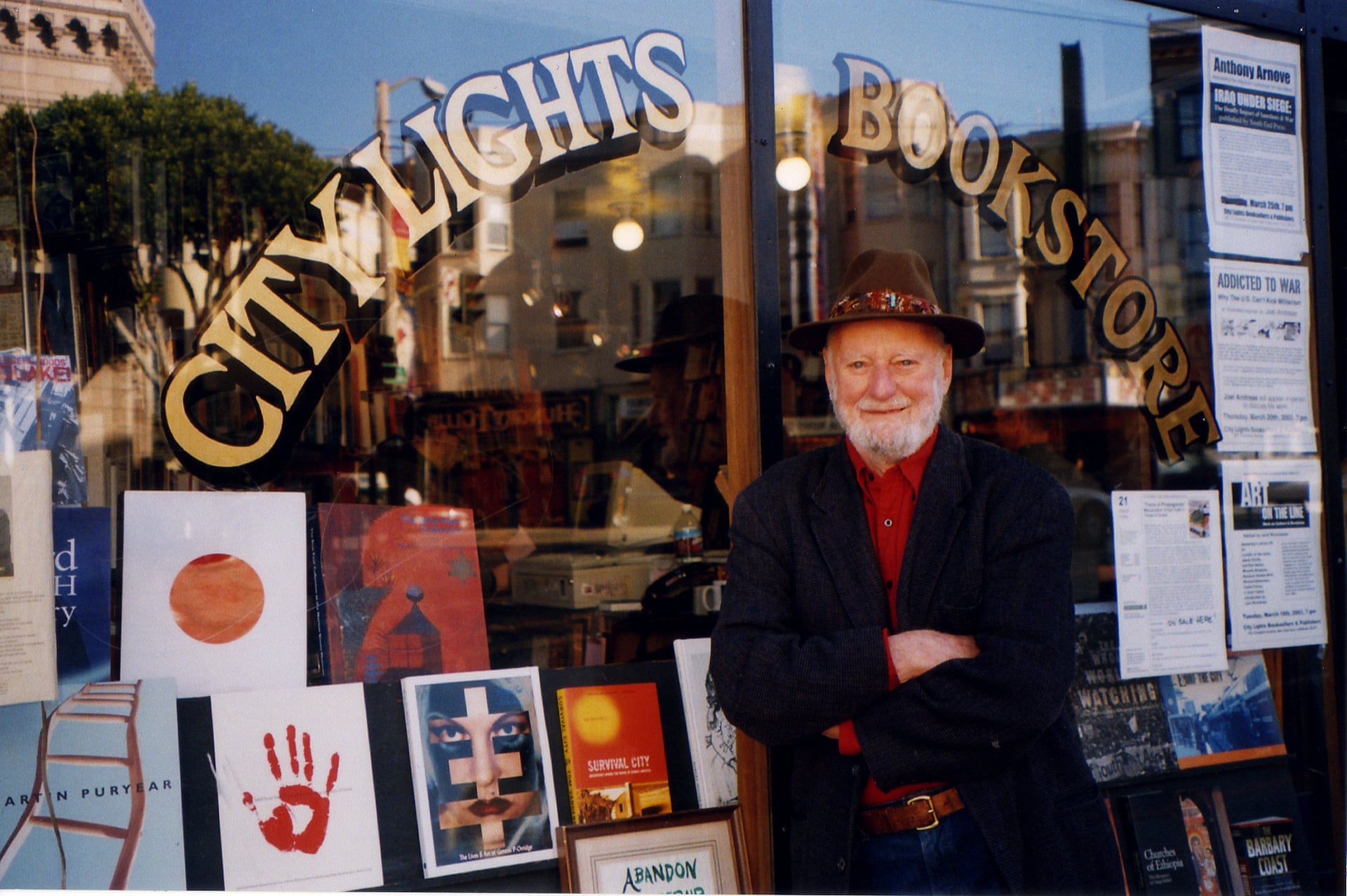



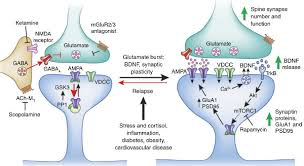
 Whiting Awards Celebrate 10 Emerging Writers:
 Andrew Sullivan:
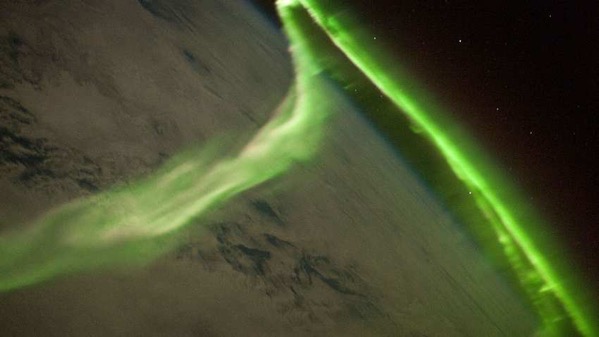 ’The Sun is getting grumpy again after years of relative peace.…’
 But the real story may be more disturbing:
 ’After more than two years of criminal indictments and steady revelations about contacts between associates of Donald J. Trump and Russia, we already know a lot about the work done by
  Ruling: Interior Department violated federal law by failing to take into account the climate impact of its oil and gas leasing…[F]irst time the Trump administration has been held to account for the climate impact of its energy dominance agenda, and it could have sweeping implications for the president’s plan
 ’…[K]ey supporters are expressing misgivings as they sour on displays of his abrasive, abusive personality. In recent days, Trump has attacked the late Republican war hero John McCain, his own aide’s staunchly conservative, influential husband George Conway, and an autoworker union boss in Ohio.
 ’Saving the world from the apocalyptic impact of climate change should be a dream for many Silicon Valley titans concerned about legacy, says David Wallace-Wells, and yet few are dedicating themselves to addressing the catastrophe. Negative emissions technology funded by Bill Gates exists. It would cost $3 trillion per year to operate and would mean human industry could continue at current levels without global warming. That figure sounds astronomical, however global subsidies to fossil fuel industries cost $5 trillion per year.…’
 ’Real wasabi, Wasabia japonica, is apparently one of the most expensive vegetables to grow. That green stuff you’re eating? Ground horseradish, Chinese mustard, and, you guessed it, green food coloring. Yum.
 ’Some animals, when faced with predators, play dead instead of trying to escape. But for death-feigning to work, a lot of things have to go well.…’
 ’President Donald Trump has repeatedly attacked the late Sen. John McCain in the past weeks, for reasons known largely to himself. On Wednesday, Trump escalated his feud with a dead man, launching into an unprompted rant about McCain’s funeral (among other things) during a speech at a tank factory in Lima, Ohio.…’
 A vet toxicologist explains:
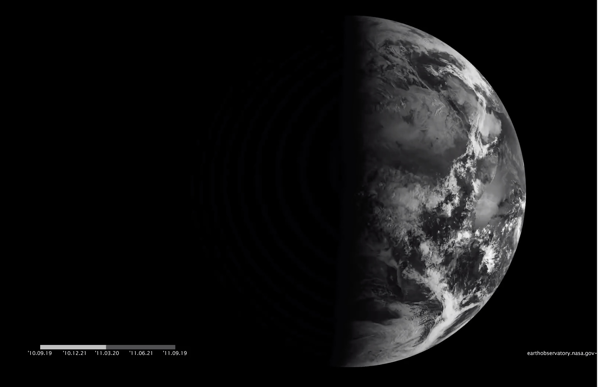 ’Welcome to an equinox on planet Earth. Today is the first day of spring in our fair planet’s northern hemisphere, fall in the southern hemisphere, with day and night nearly equal around the globe. At an equinox Earth’s terminator, the dividing line between day and night, connects the planet’s north and south poles as seen at the start of this remarkable time-lapse video compressing an entire year into twelve seconds. To make it, the Meteosat satellite recorded these infrared images every day at the same local time from a geosynchronous orbit. The video actually starts at the September 2010 equinox with the terminator aligned vertically. As the Earth revolves around the Sun, the terminator tilts to provide less daily sunlight to the northern hemisphere, reaching the solstice and northern hemisphere winter at the maximum tilt. As the year continues, the terminator tilts back again and March 2011 equinox arrives halfway through the video. Then the terminator swings past vertical the other way, reaching the the June 2011 solstice and the beginning of northern summer. The video ends as the September equinox returns.…’
 ’Every now and then an image appears online which people claim shows a time traveller somewhere they shouldn’t be. But are they just cases of people letting their imaginations run wild?
 Elizabeth Warren hits it at town hall, but is it realistic?
 ’As an experienced airline pilot, aircraft accident investigator and professor of aviation, I know that such major crash investigations are an enormous effort often involving many countries’ governments and input from dozens of industry partners. The inquiries can take months of painstaking work. They often yield important insights that improve flight safety for everyone long into the future. Here’s how an investigation generally goes.…’
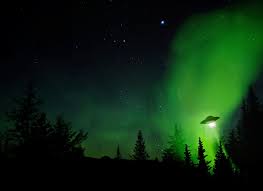 Once-fringe phenomenon taking root among the powerful:
 ’A huge fireball exploded in the Earth’s atmosphere in December, according to Nasa. The blast was the second largest of its kind in 30 years, and the biggest since the fireball over Chelyabinsk in Russia six years ago. But it went largely unnoticed until now because it blew up over the Bering Sea, off Russia’s Kamchatka Peninsula. The space rock exploded with 10 times the energy released by the Hiroshima atomic bomb.…’
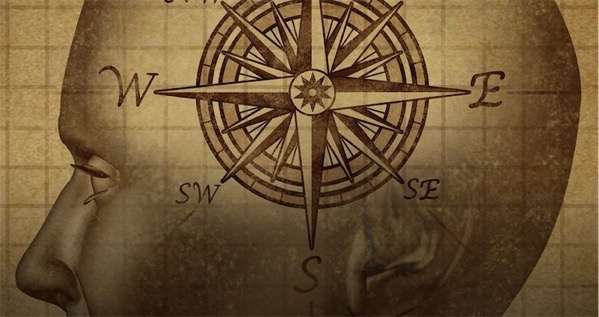 ’While this capability, called magnetoreception, is well known in birds and fish, there is now evidence that our brains are also sensitive to magnetic fields. The researchers from Caltech and the University of Tokyo measured the brainwaves of 26 participants who were exposed to magnetic fields that could be manipulated. Interestingly, the brainwaves were not affected by upward-pointing fields.…’
 ’A Pennsylvania couple spotted one of the world’s most unusual birds in their backyard feeder. The northern cardinal looked like it was painted down the middle: one half was the brown of a female cardinal, and one half had the bright red plumage of a male. This unusual specimen is called a gynandromorph; half the animal is male and half the animal is female. Gynandromorphy is an extremely rare condition observed in a variety of insects, snakes, crustaceans, and birds.…’
 Love to drop F-bombs? Thank the shift to agriculture:
 ’This is the first study to explore not only what percentage of people in the general population choose to watch videos of graphic real-life violence, but also why.…’


 Poet of Life’s Evanescence Dies at 91:
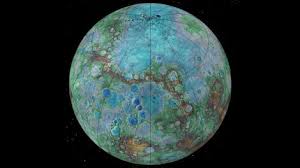 ’A team of scientists just demonstrated something that might shock you: Mercury, not Venus, is the closest planet to Earth on average.
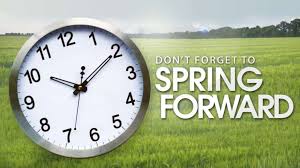 Steve Calandrillo, Professor of Law, University of Washington:
 Doctor couldn’t be bothered to tell him face-to-face:
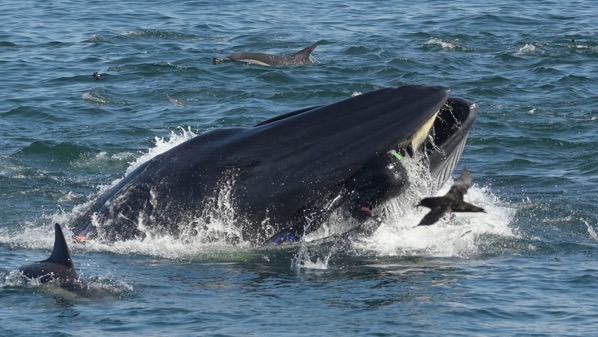 A story of Biblical proportion:
 ’From wild dogs to horned frogs, all manner of animals are still capable of keeping out of our sight, some for over 100 years…’
 New Approach To Flu Treatment Mimics Antibodies:
 ’Starting in 2021, Americans, as well as others from visa-free countries, will have to do a little more work before they’ll be able to visit a number of European countries. Now, getting into places like Germany, France, and Spain just requires your U.S. passport, but in a little under two years you’ll also need to apply for entry into those countries and several others before you go. Curious what that means? Here’s a rundown of what you need to know…’
 Courts can grant human rights to nonhuman entities such as rivers, forests, mountains, and nonhuman animals. When this is done, harm against the entity carries the same punishment as harm against humans.
  New, ethically controversial, era of neurointervention:
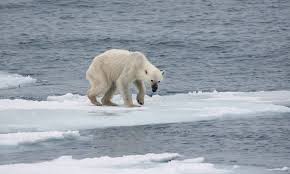 Thomas Nagel:
 Let’s stop kidding ourselves about that:
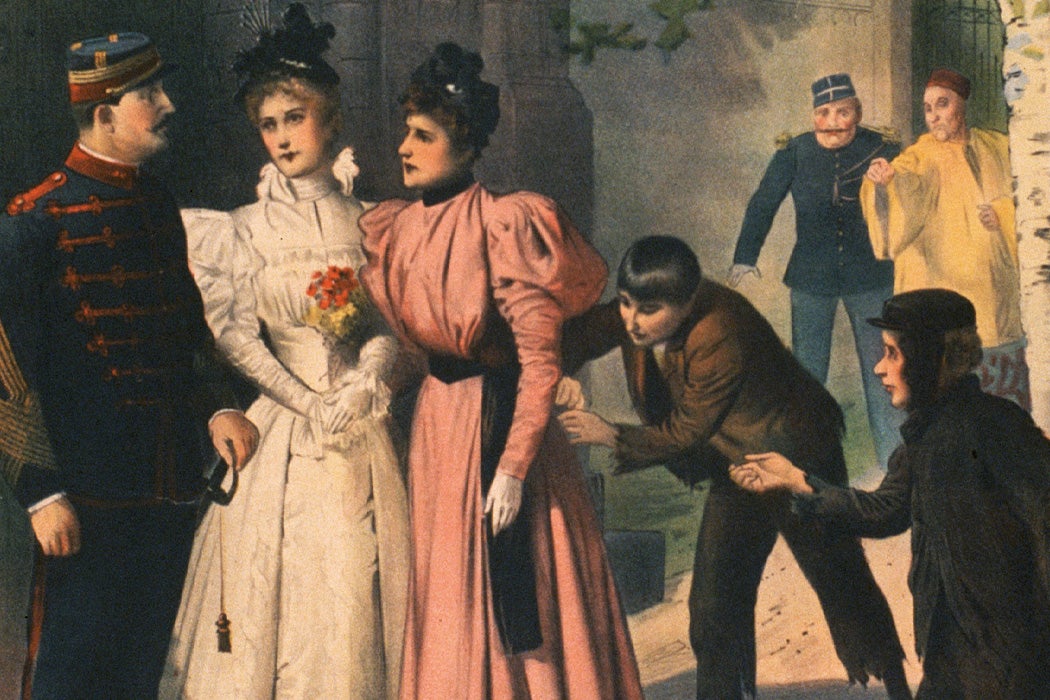 ‘Cant was a lawless language. If it got into your head, it might make you lawless, too…’
 Eric Boehlert in AlterNet:
 ’The New York Times reports that a team of scientists plan to announce tomorrow that a patient in London has been effectively cured of HIV. The cure reportedly was the result of a bone-marrow transplant that came with a genetic mutation that naturally blocks HIV from spreading throughout the body. This approach isn’t quite practical to implement on a large scale, but the knowledge gained from it will likely help scientists develop more scalable approaches.…’
 ‘Researchers from Harvard, the University of Michigan, and UCLA have conducted the first ever randomized controlled trial on the efficacy of parachutes. As detailed in a cheeky study published late last year in the prestigious British Medical Journal, the researchers enlisted 23 volunteers to jump out of a plane or helicopter to test whether the use of parachutes reduced risk of injury or death…
 The Journal of Health Psychology has just published an extraordinary pair of papers that call for a new inquiry into a 30-year old case of probable scientific fraud.
 ’A new study of thousands links right-wing authoritarian attitudes and feeling one’s life is more meaningful.…’
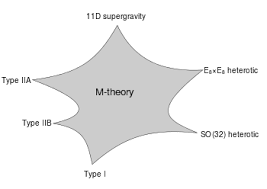 An extraordinary assertion first observed by Richard Feynman — the correct laws of physics are expressible in a multiplicity of ways. This doesn’t work if the laws are misstated. This “Rashomon effect… raises metaphysical questions about the meaning of physics and the nature of reality.”
 ’Not having a meaningful life can be dreadful, and psychologist Viktor Frankl thought it was the root cause of many neuroses. His ideas became Logotherapy, which focuses on the need for a meaningful life and has shown success in many areas. Many studies agree that leading a meaningful life has tangible benefits and lacking meaning can lead to problems.…’

 ’New findings released on Wednesday show that at current emissions rates, we’re just five generations away from creating an atmosphere the likes of which hasn’t been seen in 56 million years. The last time carbon dioxide levels were as high as we’re headed for, it helped create one of the greatest die offs in recent Earth history.…’
 ’Zebras are famous for their contrasting black and white stripes – but until very recently no one really knew why they sport their unusual striped pattern. It’s a question that’s been discussed as far back as 150 years ago by great Victorian biologists like Charles Darwin and Alfred Russel Wallace.
 ’On Friday, President Trump tossed precedent out the window and declared a national emergency to pay for an unneeded border wall he previously promised Mexico would pay for.
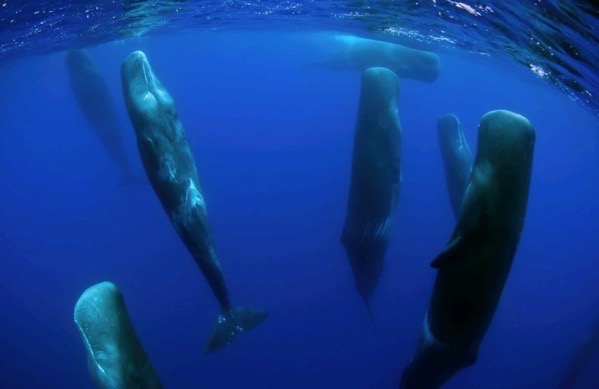
 ’The assumption “that without memory, there can be no self” is wrong, say researchers.…’
 ’When you lose your sense of smell, everything from coffee to sex is just not as much fun. After a year of suffering, a rigorous regimen of smell training brought it back.…’
 Indiana University School of Medicine researchers:
 Russian authorities have declared a state of emergency in the remote, sparsely populated Novaya Zemlya islands in the Arctic Ocean, the BBC reported this weekend, after “dozens” of polar bears whose food sources are limited due to climate change started rooting through homes and other buildings near the settlement of Belushya Guba looking for something to eat.
 Benjamin Dreyer sees language the way an epicure sees food. And he finds sloppiness everywhere he looks:
 Could Have Its Own Gene:
 ’The reason it’s hard to love our “neighbor” is because, from an evolutionary standpoint, people outside of our groups have always been suspected as possible threats. The way to love “others” is by engaging with them long enough that we begin to see, in them, ourselves. That is, we see our own struggles and challenges reflected back. …[T]he “last thing” Jesus wanted to do was found a religion that would divide humanity even more. Jesus would be “mortified” …that his followers started a religion in his name.…’
 ’Here are some facts that might surprise you.
 Editor’s note:
 Bandy X. Lee and Leonard L. Glass on ‘Malignant Normalcy’:
 > ‘In May, Denver will vote on whether or not to decriminalize magic mushrooms. In addition to their ability to combat depression and anxiety, magic mushrooms can also affect people’s perspective, including their political positions….’
 >’Whatever you may have read over the past year — as extreme weather brought a global heat wave and unprecedented wildfires burned through 1.6 million California acres and newspaper headlines declared, “Climate Change Is Here” — global warming is not binary. It is not a matter of “yes” or “no,” not a question of “fucked” or “not.” Instead, it is a problem that gets worse over time the longer we produce greenhouse gas, and can be made better if we choose to stop. Which means that no matter how hot it gets, no matter how fully climate change transforms the planet and the way we live on it, it will always be the case that the next decade could contain more warming, and more suffering, or less warming and less suffering. Just how much is up to us, and always will be….’
 Christina Maxouris writes:
 Celebrities pose with their younger selves in the work of Dutch photographer @ardgelinck.
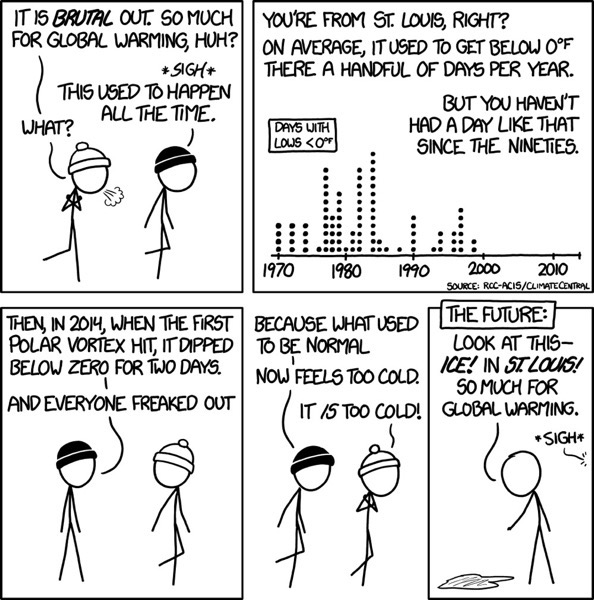 ’In what is now an annual tradition, when the temperatures in some part of the US plunge below zero degrees on the Fahrenheit scale, some nitwit Republican climate change-denier live-tweets from the back pocket of industry something like “It’s so cold out where’s the global warming when we need it???? #OwnTheLibs”. This time around, it was our very own Shitwhistle-in-Chief who tweeted merrily about the current polar vortex bearing down on the Midwest…’
 Engineers create a robot that can imagine itself:
 Anand Giridharadas, the critic who has the world’s richest people buzzing:
 Today is Groundhog Day and, this year, since Punxsutawney Phil did not see his shadow, spring is coming early. In the Pagan calendar, it is Imbolc (or Imbolg), which has marked the beginning of spring since ancient times, coming at the midpoint between the astronomical winter solstice (“Yule”) and the spring equinox (“Ostara”) in the northern hemisphere. It is one of the four Gaelic seasonal festivals that fall at the ‘quarter cross points’ between the equinoxes and the solstices, along with
 Another traditional symbol of Imbolc is the plough. In some areas, this is the first day of ploughing in preparation of the first planting of crops. A decorated plough is dragged from door to door, with costumed children following asking for food, drinks, or money. Should they be refused, the household is paid back by having its front garden ploughed up. In other areas, the plough is decorated and then Whiskey, the “water of life” is poured over it. Pieces of cheese and bread are left by the plough and in the newly turned furrows as offerings to the nature spirits. It is considered taboo to cut or pick plants during this time.
 Death Cap Mushrooms are Spreading Across North America:
 ’Why are we so much less violent day-to-day within our communities (in pretty much all cultures) than our closest primate relatives, chimpanzees, are within theirs? At the same time, how is it that human violence directed toward perceived enemy groups has been so destructive?…’
 A selection of famous, but different, anarchists:
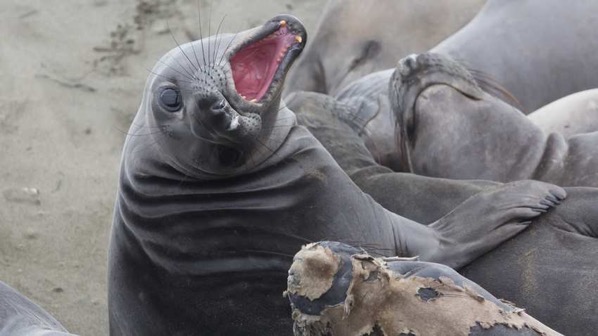 Elephant seals lounging on
  ’The sunflower sea star, one of the largest starfish species in the world, has been practically wiped out along the west coast of North America, putting ecosystems at risk, according to a study published Wednesday in Science Advances.
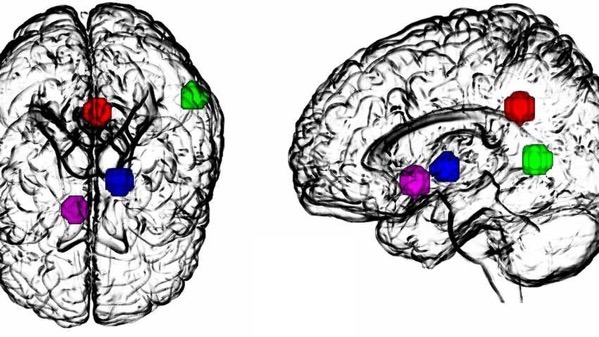 ’The research lends strong support to a decade-old theory that attributes the trippy effects of many psychedelics to a breakdown of information processing in a region of the brain that regulates how we respond to internal and external stimuli.…’
 ’Its molecular makeup makes it the perfect
 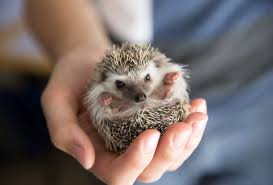 ’The CDC has identified an outbreak of salmonella caused by contact with hedgehogs. A hedgehog can appear healthy and still carry salmonella. Conscientious hygiene is required for anyone living with a hedgie.…’
 ’If you bled when you brushed your teeth this morning, you might want to get that seen to. We may finally have found the long-elusive cause of Alzheimer’s disease:
 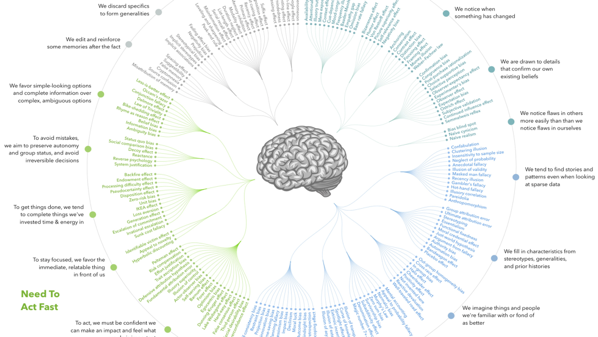 ’Buster Benson (a marketing manager at Slack) decided to organize 175 known biases into a giant codex… Benson (with help from illustrations by John Manoogian III), sorted biases for duplicates and grouped them into four larger categories, each called a “conundrum” or “problem”. All four of these limit our intelligence but are actually trying to be helpful. According to Benson, “Every cognitive bias is there for a reason — primarily to save our brains time or energy.” But the end result of utilizing such mental shortcuts, which are often useful, is that they also introduce errors into our thinking. By becoming aware of how our minds make decisions, we can be mindful of the inherent inaccuracies and fallacies and hopefully act with more fairness and grace.…’

 Sure, it sounds like science fiction. But some researchers suggest that warp drives might actually be a possibility:
 ’This absurd conversation was actually televised at the time, and mentioned in the New York Times coverage of the conversation, which speculated that he had made the suggestion “perhaps jokingly.”
 ‘…Many an otherwise-worthwhile argument has been derailed by
  ’How you talk to people with drug addiction might save their life.…’
 ’Screaming is arguably one of the most relevant communication signals for survival in humans. Despite their practical relevance and their theoretical significance as innate [1] and virtually universal [2, 3] vocalizations, what makes screams a unique signal and how they are processed is not known. Here, we use acoustic analyses, psychophysical experiments, and neuroimaging to isolate those features that confer to screams their alarming nature, and we track their processing in the human brain. Using the modulation power spectrum (MPS, [4, 5]), a recently developed neurally-informed characterization of sounds, we demonstrate that human screams cluster within restricted portion of the acoustic space (between ∼30–150 Hz modulation rates) that corresponds to a well-known perceptual attribute, roughness. In contrast to the received view that roughness is irrelevant for communication [6], our data reveal that the acoustic space occupied by the rough vocal regime is segregated from other signals, including speech, a pre-requisite to avoid false-alarms in normal vocal communication. We show that roughness is present in natural alarm signals as well as in artificial alarms, and that the presence of roughness in sounds boosts their detection in various tasks. Using fMRI, we show that acoustic roughness engages subcortical structures critical to rapidly appraise danger. Altogether, these data demonstrate that screams occupy a privileged acoustic niche that, being separated from other communication signals, ensures their biological and ultimately social efficiency.…’
 ’Twitter CEO Jack Dorsey thinks the company’s “protocol” for politicians who seem to violate the site’s rules is clear. So clear, in fact, that he refused to say if Twitter would ban the president should he explicitly ask his followers to do a bunch of murders.…’
