/https://tf-cmsv2-smithsonianmag-media.s3.amazonaws.com/filer_public/11/48/11487635-0fac-4b64-baa7-f7f3cb941e79/image_1.png)
Eli Stark-Elster via Smithsonian:
‘The idea that universes evolve like organisms sat on the fringes of theoretical physics for decades. Then, a Substack post and a 2022 find by the James Webb Space Telescope boosted the concept…’

Eli Stark-Elster via Smithsonian:
‘The idea that universes evolve like organisms sat on the fringes of theoretical physics for decades. Then, a Substack post and a 2022 find by the James Webb Space Telescope boosted the concept…’

Tom Nichols via The Atlantic:
‘President Trump’s bumbled comments on North Korea sent a clear message to Iran: Nuclear deterrence, even with only a few bombs, works… He may also have blurted out classified information about North Korea.…’

Jake Currie via Nautilus:
‘Japan is home to tons of Buddhist temples and Shinto shrines (which you should be sure to visit if you ever find yourself there). These picturesque locales—numbering in the hundreds in cities like Kyoto—offer serene oases in busy urban environments for both people and wildlife alike. According to a new study published in Urban Ecosystems, frogs in particular are drawn to their many water features, making the landmarks both culturally and ecologically important….’

Jason Weisberger via Boing Boing:
‘Suffering unprecedented embarrassment on the international stage, morale issues are so deep that sailors are reputedly jumping overboard, but never fear: the United States Navy has a plan. Reportedly, they are considering renaming an aircraft carrier after Trump….’
Isaiah Colbert via Gizmodo:
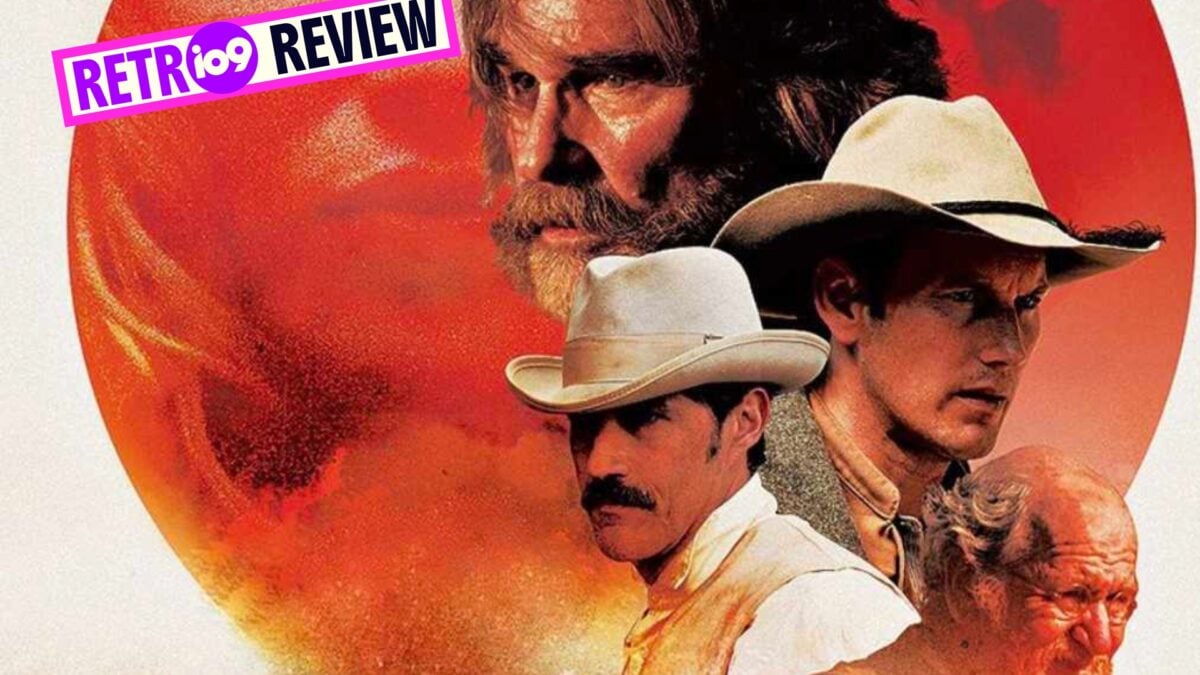
‘Once Bone Tomahawk kicks into its third act, it morphs into one of the most stark, frightening strings of events committed to celluloid. Up to this point, the film’s depiction of violence is handled matter-of-factly, without any sense of spectacle. There’s no buildup of tension when shit hits the fan on their journey; like breathing, it simply happens nonchalantly, with little zhuzh in the camera work to accentuate it. When the movie shifts into its final act and encounters the mysterious tribe at the epicenter of our heroes’ discontent, it becomes full-on horror, with some of the most terrifying depictions of violence and brutality I’ve ever seen.
On top of its action-packed final act’s pacing and cinematography moving with surgical precision, Bone Tomahawk surprised the fuck out of me with some of the most grotesque “How the hell did they even do that?” practical effects once its antagonists entered the film. I’m talking a full-body horror experience that burns into your retinas and whose booming bellows ring in your ears like tinnitus long after credits roll. It’s rare for a film to earn the accolade of being the best movie in a genre you’ve ever seen—a real instant classic—while seriously making you consider never watching it again for your own well-being….’

Rumman Chowdhury via MIT Technology Review:
‘If AI systems are viewed as too advanced to control, the companies that build them can’t held liable for the harms they cause….’

Jason Weisberger via Boing Boing:
‘Sources say Hegseth’s job is in danger as the Iran war drags on and the Strait of Hormuz stays closed with gas near $4 a gallon….’

Jason Weisberger via Boing Boing:
‘Even Harp’s own brother Preston calls her relationship with the president unhealthy after becoming estranged over it….’
Holyn Thigpen via Atlas Obscura:
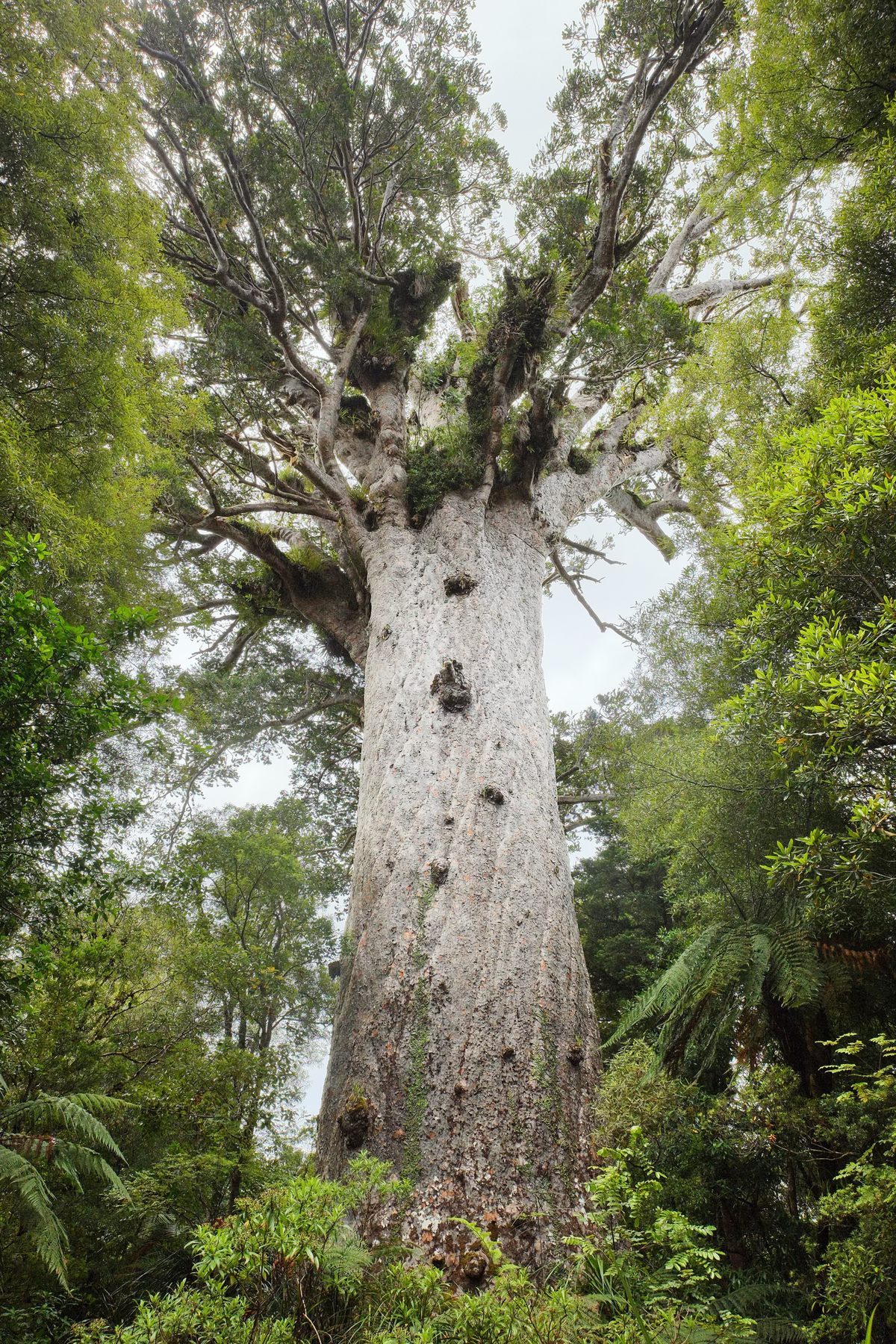
‘“Oldest” is not one definitive measurement but several, depending on what type of living thing you’re looking at. Some record-holders, like Utah’s Pando, are clonal colonies, while others, such as a spruce trunk, are individual, continuously growing organisms whose age is counted directly through rings, layers, or growth bands. Still others, like deep-sea sponges, grow so slowly that their age can only be estimated. Understanding which kind of “old” you’re looking at helps explain why the ages on this list vary so widely.
- Pando Clonal quaking aspen colony 1+ million years Utah, USA
- Honey Mushrooms Fungal network 2,400 years Oregon, USA
- Old Tjikko Norway spruce 9,550 years Sweden
- King Clone Creosote colony 11,700 years California, USA
- Methuselah Tree Bristlecone pine ~4,800 years California, USA
- Prometheus Bristlecone pine ~5,000 years Nevada, USA
- Li Jiawan Grand Ginkgo King Ginkgo ~4,000 years China
- Fortingall Yew Yew 2,000–5,000 years Scotland
- Llangernyw Yew Yew 4,000–5,000 years Wales
- Volcano Sponge Sponge ~15,000 years Antarctica
- Black coral Coral colony 4,000+ years New Zealand…’
