
Jason Weisberger via Boing Boing:
‘The press secretary announced her resignation on July 16th, days after Trump escaped a missile threat in a catering truck….’

Jason Weisberger via Boing Boing:
‘The press secretary announced her resignation on July 16th, days after Trump escaped a missile threat in a catering truck….’
/https://tf-cmsv2-smithsonianmag-media.s3.amazonaws.com/filer_public/3f/61/3f61108c-f025-4342-8ea3-0016969651e7/pexels-karola-g-6274699.jpg)
Sarah Kuta via Smithsonian Magazine:
‘Scientists have discovered that people from distinct cultural backgrounds are ticklish in many of the same spots on their bodies. In addition to the armpits and soles of the feet, the belly and the neck consistently rank as some of the most ticklish body parts across cultures, scientists report in a study published August 10 in the journal Nature Human Behaviour. The findings could help researchers unravel why this strange sensation evolved.
Ticklishness is a nearly universal human sensation—and one that we share with rats, meerkats and great apes—yet scientists know surprisingly little about it. Researchers recognize two types of tickling: knismesis, a light, feather-like sensation that usually doesn’t provoke laughter, and gargalesis, which is caused by firm, repetitive touches that typically elicit giggling and movement.
Until now, research on tickling has been largely focused on knismesis because of its similarity to itchiness, a symptom of many medical conditions. Gargalesis, meanwhile, has remained “really a very poorly understood sensation,” Michael Brecht, a neuroscientist at Humboldt University of Berlin who was not involved with the study, tells Nature’s Claire Ainsworth.
In the new study, a research duo set out to understand some of the basics about gargalesis. They recruited 448 participants divided equally among three cultural backgrounds: Chinese, Dutch and Greek. Each completed a survey about tickling and created a body map of their most ticklish spots, along with maps for other sensations, including pain, pleasure and touch sensitivity.
The data yielded “remarkably similar patterns regardless of where participants came from,” study co-author Konstantina Kilteni, a neuroscientist at Radboud University in the Netherlands, says in a statement….’

Via New Scientist:
‘Memories in mice persisted even after they lost the connections that we thought were needed for recall, expanding our knowledge of memory in the mammalian brain…’

‘John Crowley, an author of sweeping fantastical narratives whose ability to blend such disparate material as American history, dreams of lost utopias and “Alice in Wonderland”-tinged occult allowed him to transcend the fantasy genre in novels like “Little, Big,” which the critic Harold Bloom called a “neglected masterpiece,” died on Sunday at his home in Conway, Mass. He was 83…
…His work drew comparisons to C.S. Lewis, J.R.R. Tolkien and Thomas Pynchon; reviewers recognized notes of Dante, Shakespeare and Lewis Carroll. Writing in The Washington Post in 2000, the critic Michael Dirda called Mr. Crowley “arguably the most original and accomplished American fantasy writer ever.”…’
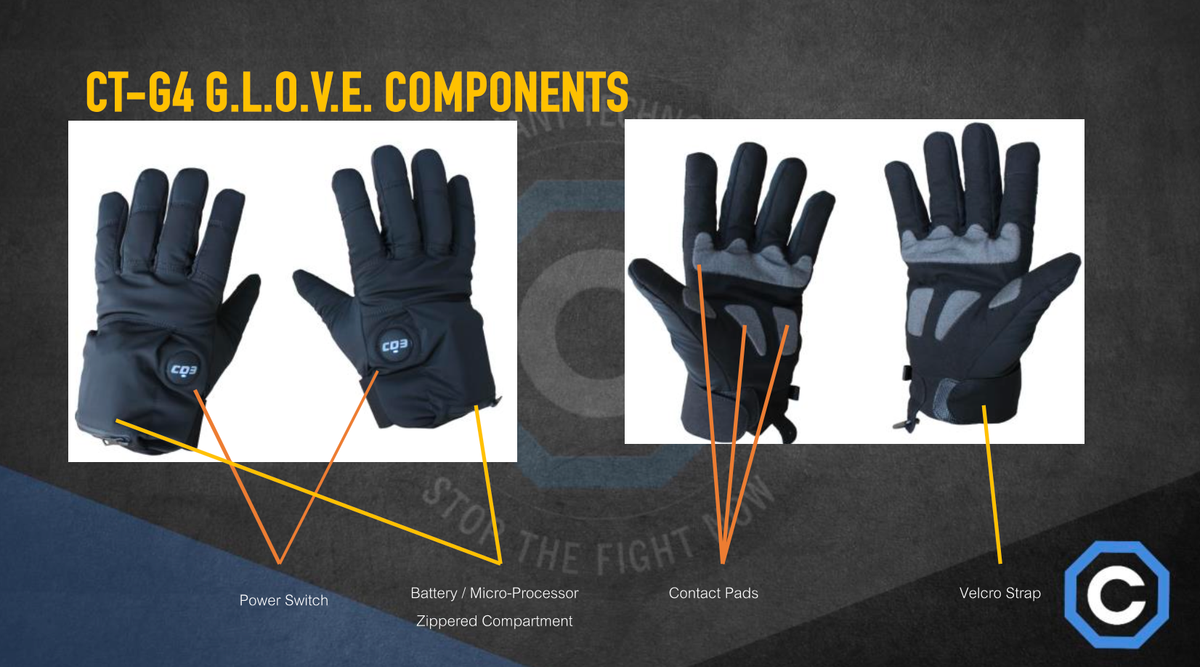
Joseph Cox via 404 Media:
‘ICE plans to spends tens of millions of dollars on the gloves, which are supposed to incapacitate people. A manual 404 Media found says the gloves may even contribute to “sudden death.”…’
