
Via NPR:
‘The famous author’s short story, ‘There will come soft rains’ predicted a world where machines would take over after August 4th, 2026….’

Via NPR:
‘The famous author’s short story, ‘There will come soft rains’ predicted a world where machines would take over after August 4th, 2026….’
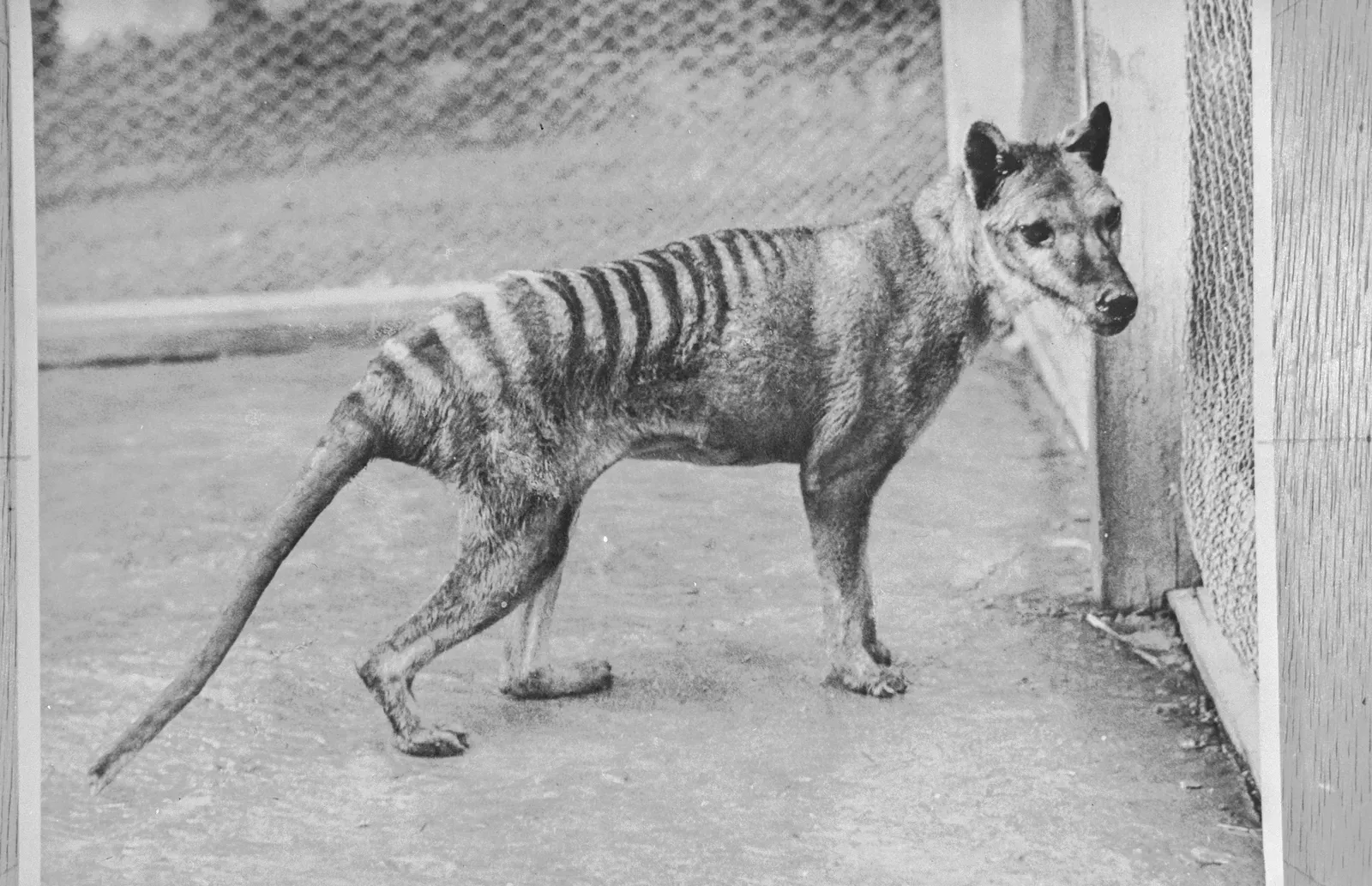
Via dino-world.com:
‘Most people assume the thylacine simply died out from natural causes, the way species quietly fade when their world changes around them. It didn’t. Humans hunted it into oblivion on purpose, and that single fact changes everything about whether a few survivors could have slipped through.
The thylacine once ranged across most of mainland Australia, but competition with dingoes pushed it to extinction there roughly 2,000 years ago, leaving an isolated population in Tasmania. When British colonists arrived, they paid bounty hunters to kill every thylacine they could find to protect sheep flocks. That’s not a slow habitat collapse – it’s systematic, government-funded slaughter, the kind that could easily leave a scattered, secretive remnant hiding in Tasmania’s least accessible wilderness. A species can be functionally invisible long before it’s actually gone, and that possibility has kept researchers searching for nearly 90 years straight.
The 1982 Sighting That Restarted an Entire Search Effort
The 1982 Sighting That Restarted an Entire Search Effort (Image Credits: Pexels)
If there’s one encounter that legitimized the “maybe it’s not extinct” camp, it’s this one. A government employee, not a tourist chasing folklore, filed the report that changed everything.
Hans Naarding, a park ranger, said he observed one of the creatures for several minutes under torchlight near Togari in 1982. He wasn’t some amateur cryptid-hunter – he was trained wildlife personnel whose detailed field notes carried real weight with the agency that employed him. The sighting was considered credible enough that Tasmania Parks, working with a wildlife scientist, launched a formal search that lasted more than two years. That government-funded hunt never found conclusive proof, but it never ruled the possibility out either….’

Daniel Hampton via Raw Story:
‘President Donald Trump’s habit of insisting things are happening “like nobody’s ever seen before” is more than just a verbal tic. It’s become a symptom of his deteriorating brain, according to a speech-language pathologist whose video breakdowns of the president have gained attention.
Hilary Shae, a licensed speech-language pathologist who specializes in concussion recovery, zeroed in Wednesday on Trump’s Camp David Cabinet meeting last week, counting a stack of near-identical catchphrases in the first 15 minutes alone. She flagged phrases such as “nobody’s ever seen,” “more than anyone’s ever seen before,” and “treated like nobody else.”
Doing that many while reading from prepared notes, she said, was “pretty significant.”
“It is very likely that Donald Trump is suffering from some form of dementia and brain decline,” Shae said in the video, arguing the repetitions signal his brain is “relying on language that has become highly automatic while it loses the ability to generate new and flexible language.”
She framed the phrases as possible “perseveration,” a neurological symptom in which someone repeats a word or idea when it isn’t appropriate, suggesting impaired frontal lobe inhibition. She contrasted it with Trump’s old catchphrase days, like “that’s hot,” which she said had nothing to do with cognitive decline. The difference now, she argued, is that the repetition is “persistent” and “context independent.”…’
Here & Now Newsroom via WBUR:
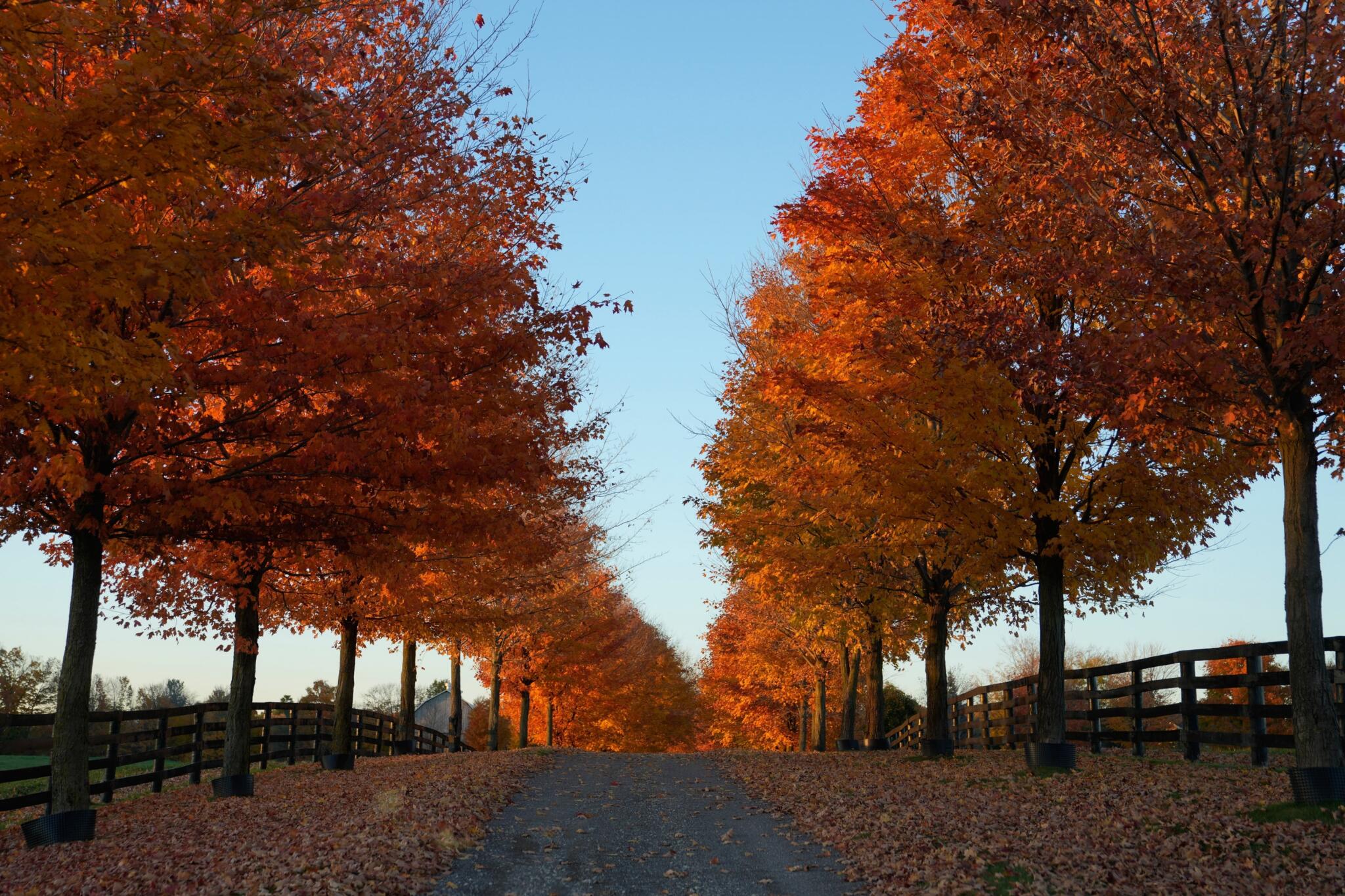
‘The small town of Terrasse-Vaudreuil, about 30 miles west of Montreal, recently became the first in Canada to recognize trees as living beings with a special set of rights — including the rights to life, to natural growth, to integrity and to regeneration….’
Adithi Ramakrishnan via AP News:
‘Scientists originally took the images for a different reason: to fine-tune and test the limits of the telescope. But when they looked at the results, they realized they’d photographed the sun’s bright outer shell at higher resolution than ever before….’
J F Martel via Aeon:
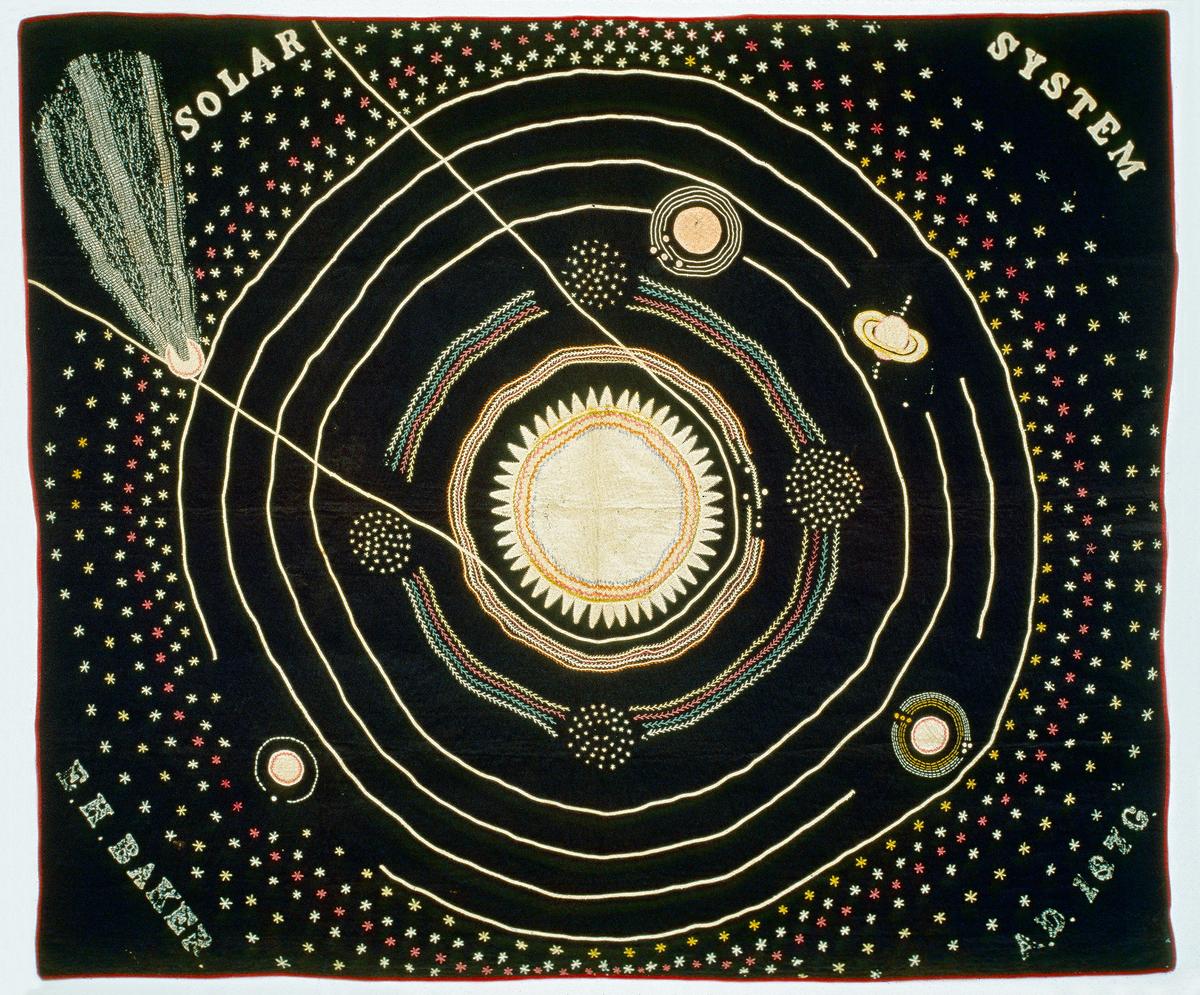
‘When early humans first painted cave walls, they began to find out who they really were: our minds emerged from our images…’
Jason Weisberger via Boing Boing:
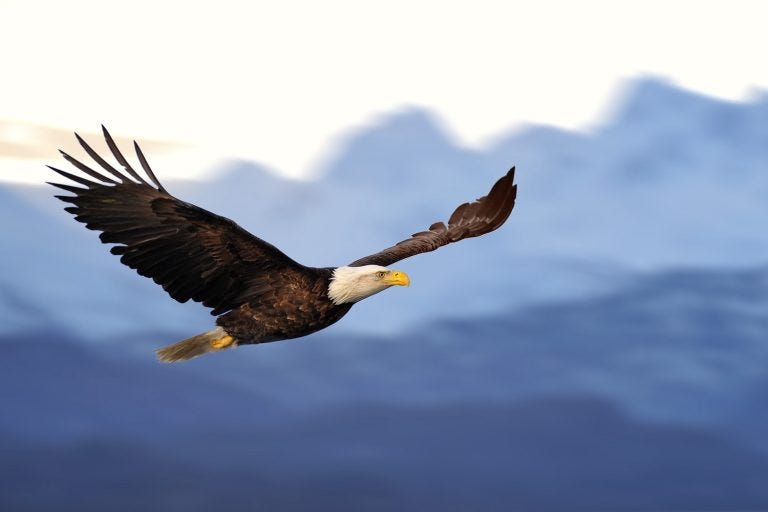
‘The Orange Menace claims his administration restored the Endangered Species Act to the meaning Antonin Scalia “explained.” Scalia explained it in a dissent. The Supreme Court’s 6–3 majority upheld the definition Trump’s administration just erased….’

Rob Beschizza via Boing Boing:
‘The ad campaign for Lee Cronin’s The Mummy, a gritty new take on the public domain monster, has been partially unraveled by advertising regulators in the U.K. In upholding a complaint about the movie’s posters, the Advertising Standards Authority determined that those showing a “realistic impression of a dead child” were too horrid for public display. But it cleared the imagery’s use on television and streaming media after bedtime….’
