Retired Federal judge Nancy Gertner writes:
‘Kavanaugh’s performance at that hearing alone should be disqualifying. His behavior and affect, the pointed and partisan nature of his accusations, resonated with this President’s incivility and name calling. He was consumed with rage at his Democrat interlocutors, fairly spitting out his answers. He treated them with disrespect, interrupting, repeating his talking points rather than answering question. When Senator Patrick Leahy of Vermont asked him if he would call for an FBI investigation, to make the process more fair, he did not answer. He showed himself to be a zealot determined to get on the high court, at all costs.
With this performance, Kavanaugh became Trump’s version of what a judge should be, not unlike Trump’s version of what his attorney general should be. They were both supposed to be Trump partisans, not neutrals, and above all, ready for central casting. Trump reportedly was unhappy with Kavanaugh’s performance on “Fox News” several evenings before; Kavanaugh was “wooden,” he said, insufficiently assertive. So Kavanaugh changed his tune. Now, fully a Trump judge, he was playing to his base — President Trump. And it worked. Trump tweeted minutes after the hearing completed: ”Judge Kavanaugh showed America exactly why I nominated him.”
I had never heard a judge speak like that to a public audience, let alone during a confirmation hearing.
A judge is not only supposed to be unbiased, he is also to reflect the appearance of impartiality, avoiding situations in which reasonable people can believe he is partisan. How can Kavanaugh possibly meet that requirement given what we all saw on Thursday?
Consider this: Kavanaugh is confirmed is immediately sworn in by Justice John Roberts in the chambers of the Supreme Court. And on the docket is a challenge to gerrymandering brought by Democrats in one state; or another involving accusations of voter suppression against Republicans in a swing state. What about the cases that directly challenge presidential power, like the enforceability of a subpoena brought by special counsel Robert Mueller against Trump in the Russia investigation? How can he even appear remotely impartial in these cases when his presentation so fully and completely reflected the Republican party’s rage? He cannot. He is not.
Kavanaugh will not get his reputation back whether or not he is confirmed. These accusations, that performance, scotched all such hopes. But if he cared about the Supreme Court as an institution, he would withdraw now. Of course he will not; he wants this position, no matter what the cost, so stunning is his ambition. His body of work has been the functional equivalent of a 20-year application. He was a zealot in the Kenneth Starr investigation of President Bill Clinton, and then, when it suited him to be more neutral, wrote a law review article changing his tune; no president should be subject to the treatment, the very treatment he visited on Clinton. Serious issues were raised with respect to his truthfulness in his confirmation hearings concerning his role in the Bush administration.
He categorically denied Ford’s accusations again — even when he and others confirm at least part of it. He was the thinly-disguised Bart O’Kavanaugh in Mark Judge’s book, “Wasted,’’ passed out in a car. He joined a Yale fraternity famous for its wild drunken parties. At Yale Law School, my alma mater, he touted the all night parties, broken tables, etc. most recently in a 2014 speech. It was not such a leap to Ford’s account of drunken adolescents preying on a younger woman …’
Source: The Boston Globe
 ’Kavanaugh didn’t just DARVO his way through yesterday’s hearing: his bluster, tears, rage, and blame-shifting also allowed him to dodge a remarkable number of questions raised by the senators.
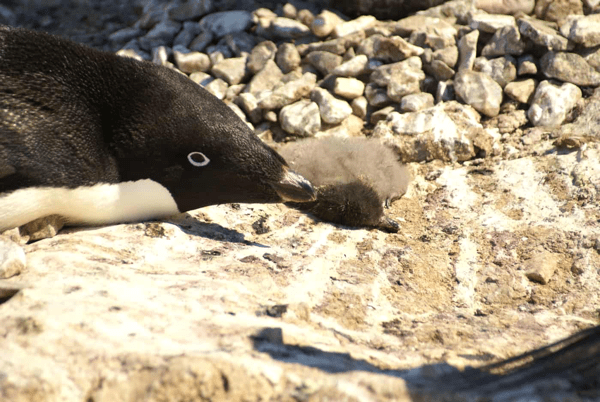 ’The awful news that all but two penguin chicks have starved to death out of a colony of almost 40,000 birds is a grim illustration of the enormous pressure Antarctic wildlife is under. …’
 ‘The evidence just keeps piling up: Democrats are in a good position to take the House in the 2018 midterm elections. …’
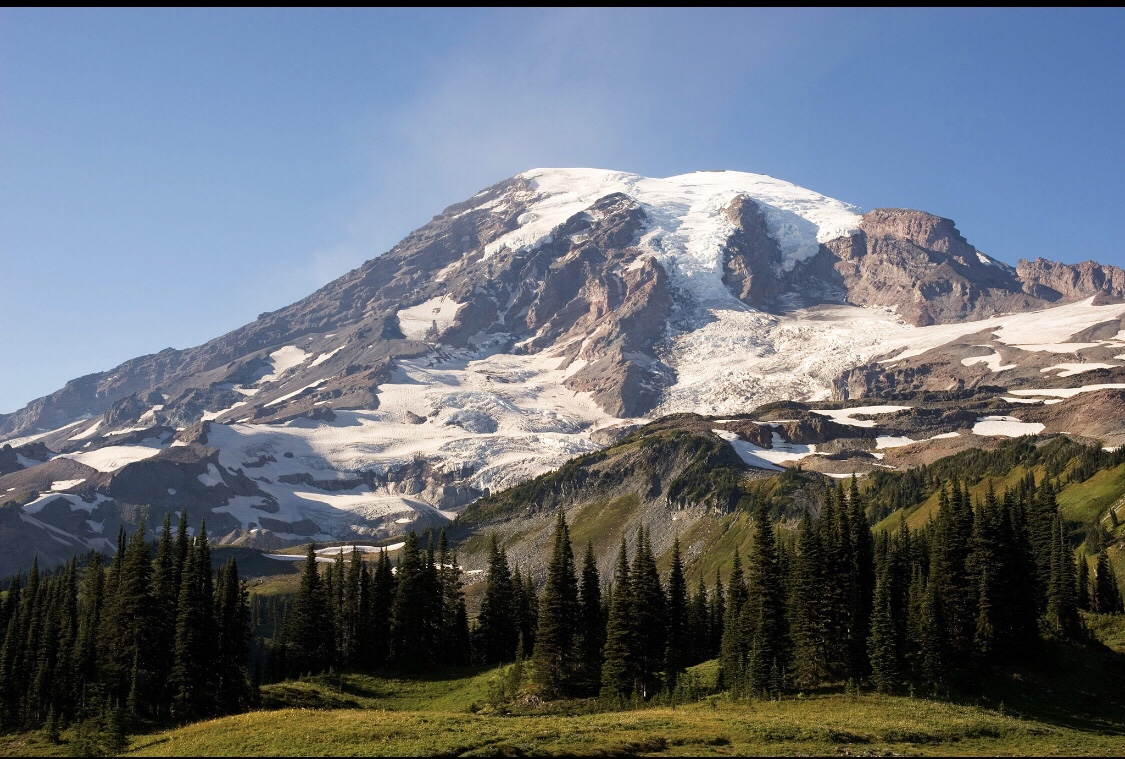 ‘Supervolcanoes sound terrifying, but the risks they pose don’t usually match their fearsome reputations. Yellowstone in particular often makes its way into headlines, as every earthquake swarm or change in geyser activity spawns unfounded rumors of an apocalyptic eruption.
 Trump-Putin meeting in Helsinki: what we know is damning
 Bill Bradley writes:
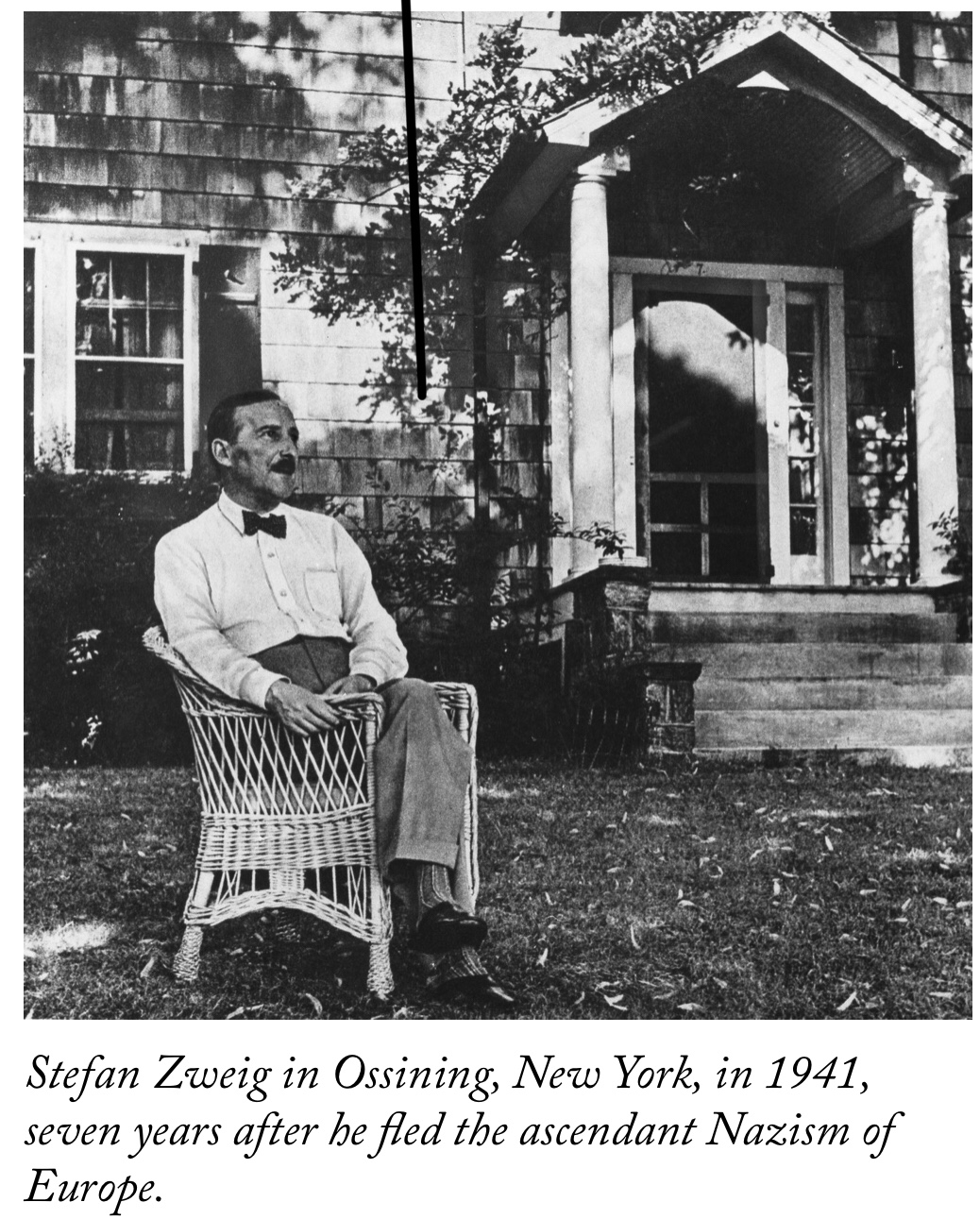 Austrian writer Stefan Zweig fled Nazism, eventually taking his life in despair and loneliness. His biographer, George Prochnik, writes:
 Prof. Gregory Stanton, of the School for Conflict Analysis and Resolution at George Mason University, writes of the ten predictable and recognizable stages in the development of genocide in any society, listing preventive measures that can stop it at every stage.Source:
  The American Civil Liberties Union
 Source:
  Mitch Horowitz in
  Christine Calder writes:
 Hundreds of children wait in Border Patrol facility in Texas
 ‘Slate has a
 Sam Hobson is a wildlife photographer with a twist. His focus is on the ‘invasive’ species that are colonizing urban spaces, e.g. red foxes (I have a family living on my street outside of Boston) and parakeets (whose populations are burgeoning in the air over cities like London, some say thanks to Jimi Hendrix releasing a mating pair sometime around 50 years ago to make the city more colorful!). Such arresting images often require painstaking groundwork.
 Via
Via  ‘What kind of people are most likely to return a lost wallet to its owner? One man went to some pretty extreme lengths to find out….’
 One theory of human evolution states that our ancestors began eating meat about 2 million years ago, whose caloric and fat density allowed the enlargement and development of their brains.
 They weren’t the first mass-shooting victims the Florida radiologist saw—but their wounds were radically different. Heather Sher writes:
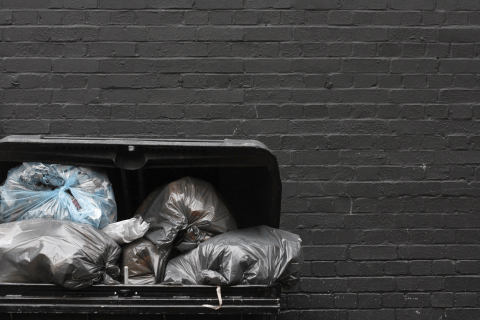 Compulsive Decluttering, the need to shed possessions, is a life-consuming illness for some —but the cultural embrace of decluttering can make it hard to seek help….
 All the President’s Men Who Might Leave the White House:
 Fourth year of milk price declines, with bleak outlook ahead.
 The worm turns:
 To anyone who follows science, the notion that other animals can be sentient, have emotions, suffer, engage in relationships, and be highly intelligent has become nearly inescapable. Study after study presents fresh evidence that we’ve been underestimating animals.
 Approved in Japan; US to follow:
 When you think of a psychopath, what qualities do you imagine? Your answer may depend on the country you’re from. Newly published research suggests that psychopaths are not the same worldwide: The most salient feature of psychopaths in the US seems to be callousness and lack of empathy, while the most central feature of psychopaths in the Netherlands is their irresponsibility and parasitic lifestyle.
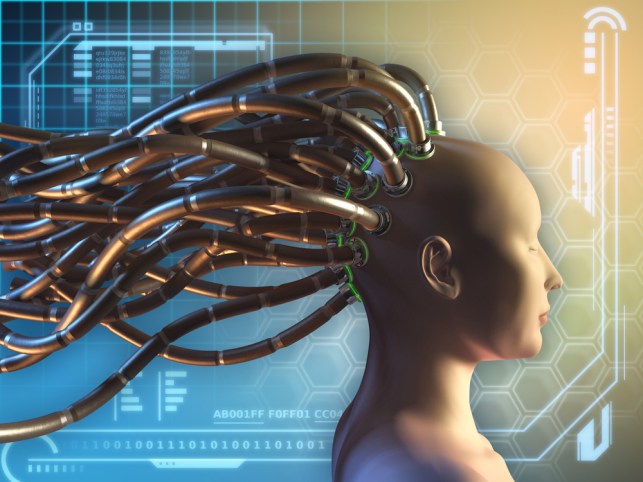 Futurologist Predicts that Humans Will Be Immortal by 2050
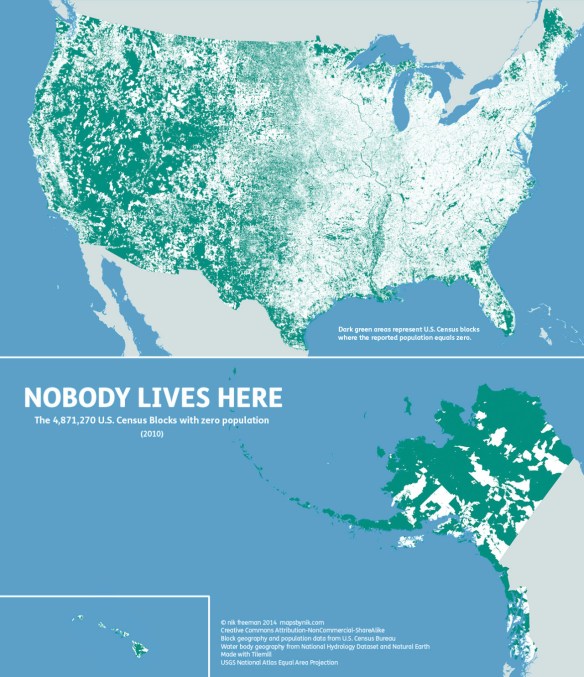 Mapping Emptiness in the U.S. and Beyond:
 ‘The range of animals known to make use of medicinal materials is amazingly broad. …’
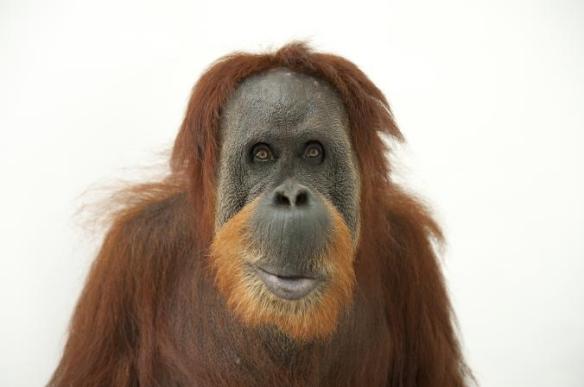 Merrit Kennedy writes:
 Marina Koren writes:
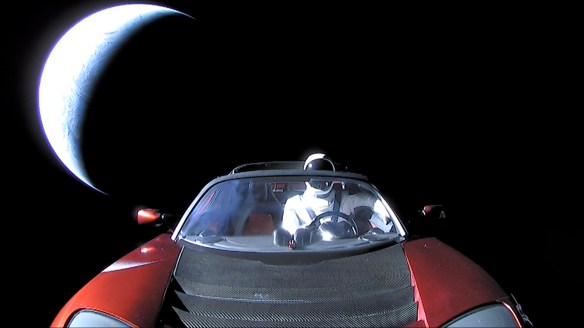 ‘Yesterday, a telescope in Chile spotted Elon Musk’s electric car 3.7 million kilometers from Earth as it was passing by star cluster NGC 5694. Using orbital elements published by NASA, amateur astronomers are setting new distance records almost every day as they track the Roadster en route to the orbit of Mars. …’
 David Cain writes: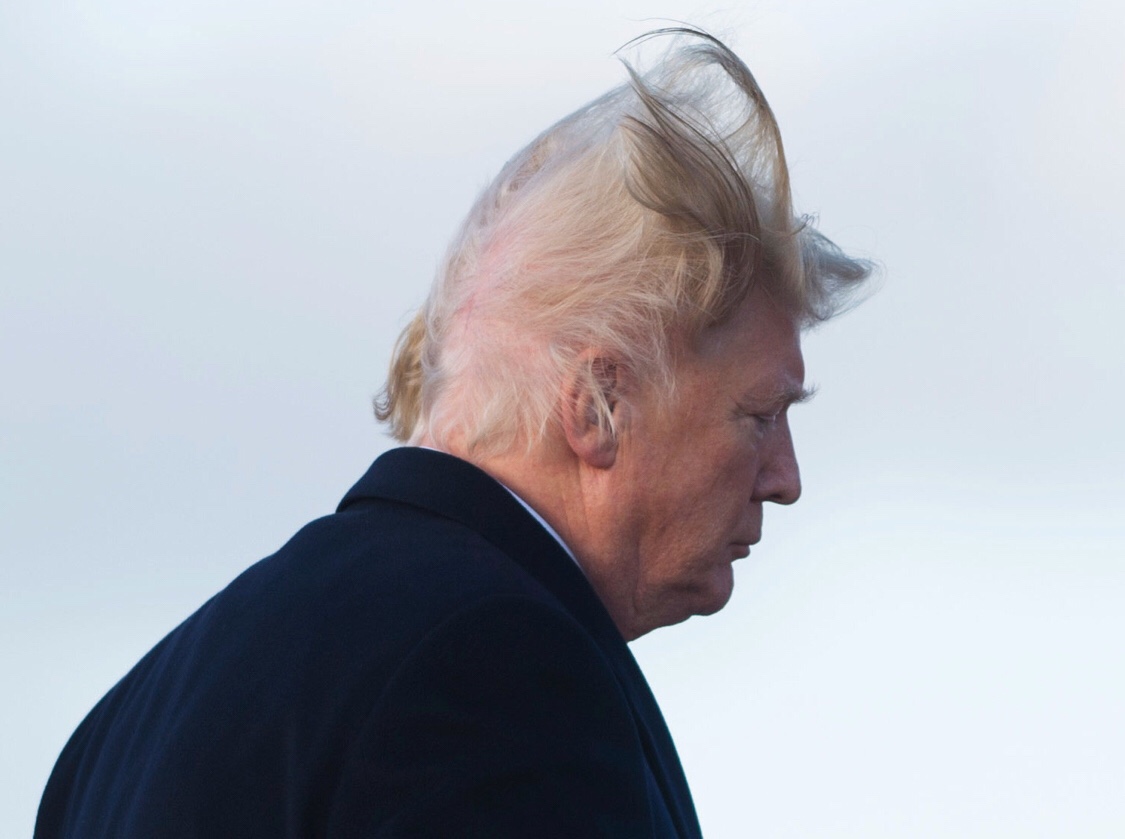
 House Russia investigation has ‘abundance’ of evidence against Trump, says top Democrat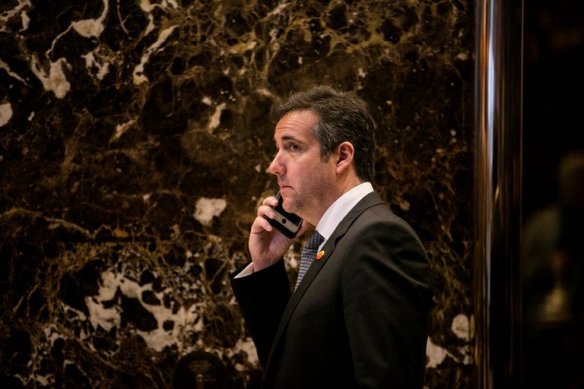

 Since Sandy Hook, more than 400 people have been shot in over 200 school shooting events.
 ‘…[T]he social media giant profited from Russian interference in the U.S. presidential election via spreading
 ‘…[F]ruit can still surprise us. Whether it’s a bright-orange bulb that tastes like peanut butter, a poisonous lychee relative that becomes edible and egg-like when cooked, or a Pacific Island native that doubles as sugary treat and fibrous dental floss, these plants show us that the fruit world still holds many wonders for those willing to explore it….’
 Gene Sharp, a preacher’s son whose own gospel of nonviolent struggle inspired velvet revolutions that toppled dictators on four continents, died Jan. 28 at his home in Boston. He was 90.
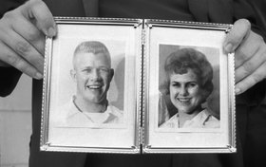 ‘Can murder really be a symptom of brain disease? And if our brains can be hijacked so easily, do we really have free will?
 Should America be worried?
 What Freud and Buddhism agree on about the ego, paraphrased from Mark Epstein’s essay, an excerpt from his excellent book A Guide to Getting Over Yourself:
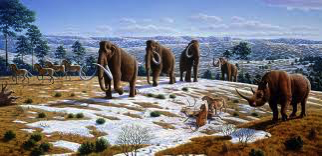 Scientists In Alaska Find Mammoth Amounts Of Carbon In The Warming Permafrost:
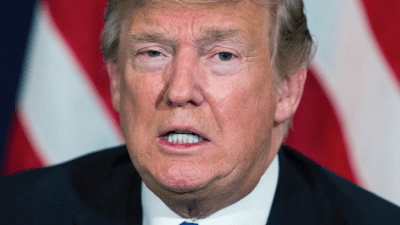 ‘It’s two minutes to midnight. And that’s really bad news if you’re a fan of planet Earth….’
 Sara Boboltz writes:
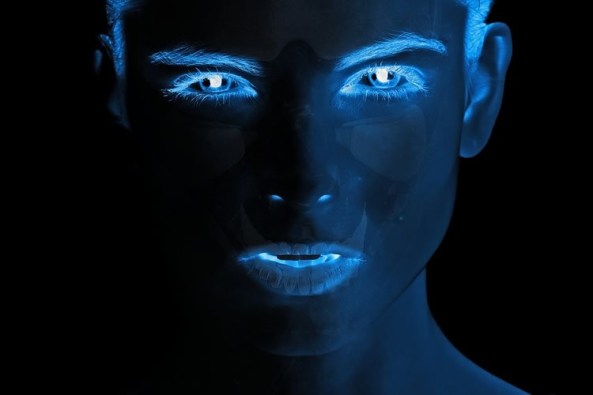 What Happens When AI Makes Music?
 In the same week that his racism is reaffirmed by his