Someone Asked Physicists What They Really Believe About the Universe and… Yikes


‘All told, it’s a fascinating reflection on the tenuous nature of scientific insight and consensus. One of the most earth-shattering developments in physics, the uncertainty principle, is that there’s a limit to what we can know about the smallest particles that underpin our reality. There’s only so much we can confidently glean about the cosmos from our tiny outpost in space….’ (Frank Landymore via Futurism)

Google holds a massive archive of everything you’ve ever looked at and this is how to view it


‘The feature quietly stores information linked to your Gmail account including searches, YouTube history, voice commands, Maps activity, and more. For some users, opening the page for the first time can feel genuinely unsettling as it reveals just how much of their digital life has been logged over the years. And once people start scrolling, it quickly turns into a bizarre trip down memory lane filled with forgotten searches and random internet rabbit holes….’ (Daisy Edwards via tech.supercarblondie)

American Jobs with AI Exposure Really Are Starting to Disappear, Data Show


‘There’s this certain category of human work that economists clearly want to put in a horrible basket marked “not worth paying for because AI can do it.” This group includes some outliers—model, for instance—but it’s mainly jobs in customer service, sales, administration. Many of these jobs are done from a desk, and involve interfacing between people and systems….’ (Mike Pearl via Gizmodo)

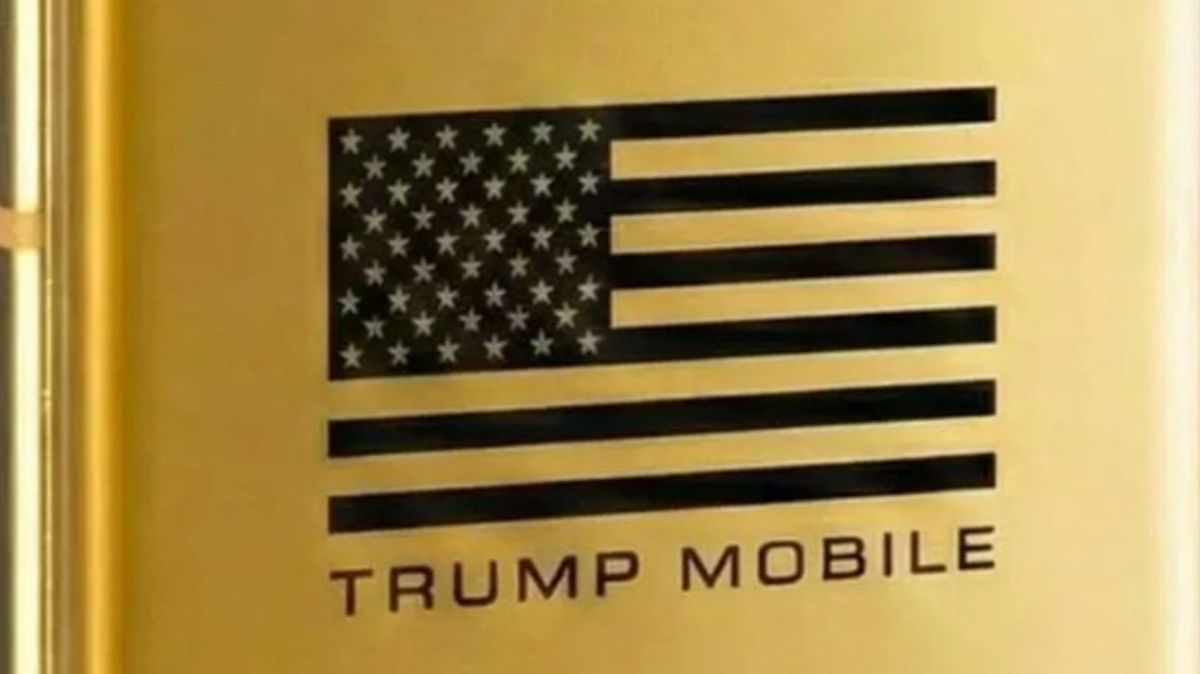
Does Trump Mobile know how many stripes are on the American flag?


‘This has been a momentous few days for Trump Mobile, in which it defied the haters by announcing that its phones will be shipping to buyers this very week. Not that there’s any sign the company has actually done that, but I digress. Because what I really want to talk about today is the American flag.

I am not an American, which probably explains why I didn’t immediately realize that something in the T1 Phone’s design is… off. And, no, I don’t mean the gold finish, the uneven camera lens spacing, or the fact that it looks suspiciously like a two-year-old HTC phone. I mean the US flag that features prominently on the back. At a glance, to a non-native, it looks fine. But look closer, and there’s something curious: It only has 11 stripes. Last I checked, there really should be 13….’ (Dominic Preston via The Verge)

The AI Conversation Is Moving Too Fast to Be Comprehensible


‘You hear wild stuff all the time now. Like this story that Nat Friedman, a former CEO of GitHub, told recently at a conference. Friedman uses OpenClaw, an autonomous AI agent that runs on his computer, acting like a personal assistant. One day, his OpenClaw decided that he wasn’t drinking enough water, so Friedman instructed the agent to “do whatever it takes” to make sure he stays hydrated. According to Friedman, eventually the bot directed him to go to the kitchen and drink a bottle of water. It informed him that it was monitoring him via a connected camera in his home. “I’m going to watch to make sure you do it,” the bot supposedly said. Friedman did as he was told, and, moments later, the bot sent him a frame of him drinking the bottle of water and said good job. “I felt like I did do a good job,” Friedman said….’ (Charlie Warzel via The Atlantic)

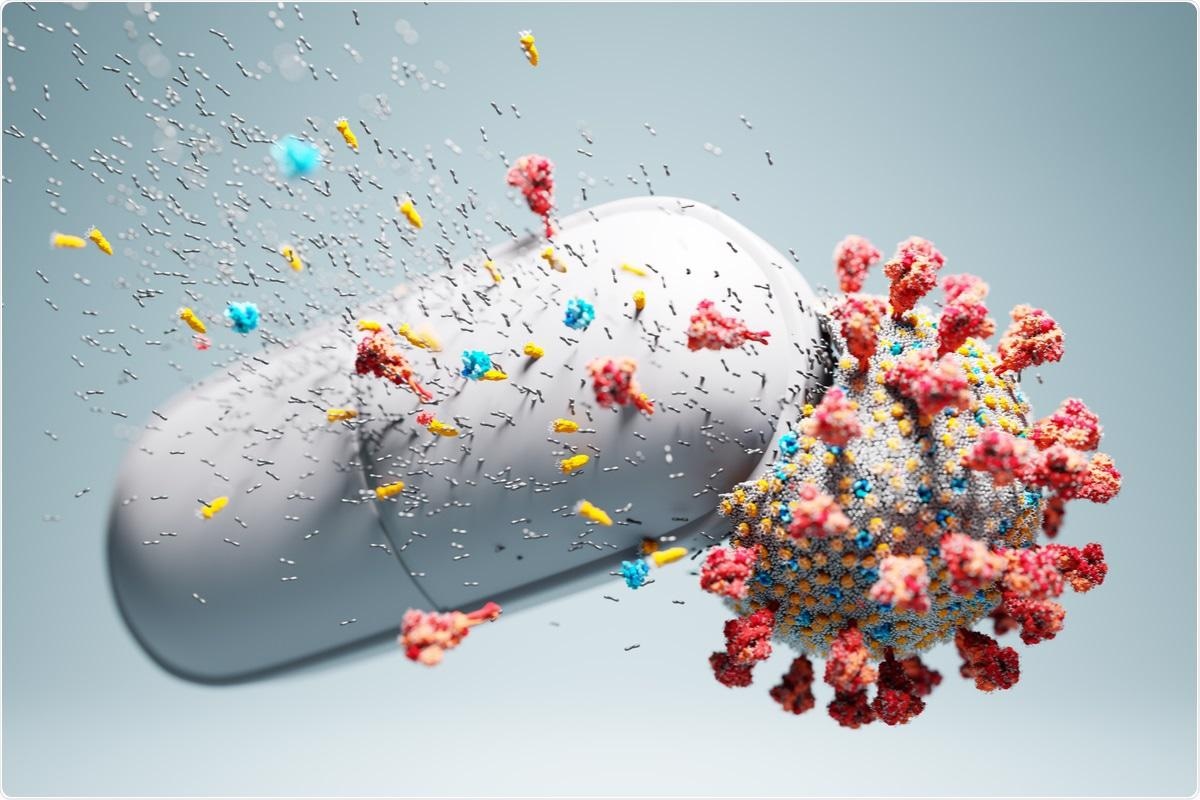
At last, a pill that can prevent COVID after exposure to infected people


‘An antiviral pill has, for the first time, been shown to prevent COVID-19 in people exposed to the SARS-CoV-2 virus at home, according to trial results published today in the New England Journal of Medicine.

The drug could be a lifeline for those who still face real danger from the virus, such as care-home residents or transplant recipients on immune-suppressing medication.

The advance arrives years after the peak of the COVID-19 pandemic, so the real-world impact might be felt by only a narrow band of individuals. Still, “as a 78-year-old with comorbidities, I certainly would use it if I had a known exposure”, says study co-author Frederick Hayden, a clinical virologist at the University of Virginia School of Medicine in Charlottesville.

The drug, called ensitrelvir, is made by the Japanese pharmaceutical company Shionogi. It blocks an enzyme that coronaviruses need to make new copies of themselves, hitting the same target as one of the two active ingredients in Pfizer’s antiviral Paxlovid. But whereas that ingredient, nirmatrelvir, failed to prevent household infections in trials, ensitrelvir has come through.

In an international study of more than 2,000 household contacts conducted from June 2023 to September 2024, about 9% of people who received a placebo within 72 hours of a housemate developing symptoms became symptomatic themselves, compared with only about 3% of those who got a five-day course of ensitrelvir. Rates of viral transmission were lower in the ensitrelvir group, too: confirmed infections, symptomatic or not, turned up in only 14.0% of those who received the drug, compared with 21.5% of those who got a placebo.

The therapy generally proved tolerable, without the taste-related side effects often seen with Paxlovid and with similar toxicity, overall, to that of the placebo.

On the strength of these trial data, Japan’s health ministry approved ensitrelvir, marketed as Xocova, in March for post-exposure use. Regulators in the United States, Europe and elsewhere are considering whether to follow suit, with a US decision expected in the next month or so….’ (Elie Dolgin via Nature)


Japan runs out of robot wolves in fight against bears

Robot Wolf Farmer.

‘Japan’s bear problem continues, and the country is running out of the robot wolves that help keep them at bay. First released in 2016 by the manufacturer Ohta, Monster Wolf was originally designed to ward off the agricultural foes like boars, deer, and the island nation’s Asian black bear (Ursus thibetanus) and brown bear (Ursus arctos) populations. The creative solution quickly went viral for its red LED eyes and menacing fangs—as well as its admittedly odd, furry pipe frame.

Starting at around $4,000, each bespoke Monster Wolf is now equipped with battery power, solar panels, and detection sensors. Its speakers are programmed with over 50 audio clips including human voices and sirens audible over half a mile away. These aren’t assembly line products, however. Each Monster Wolf is custom made, and Ohta simply can’t keep up with the current demand….’ (via Popular Science)