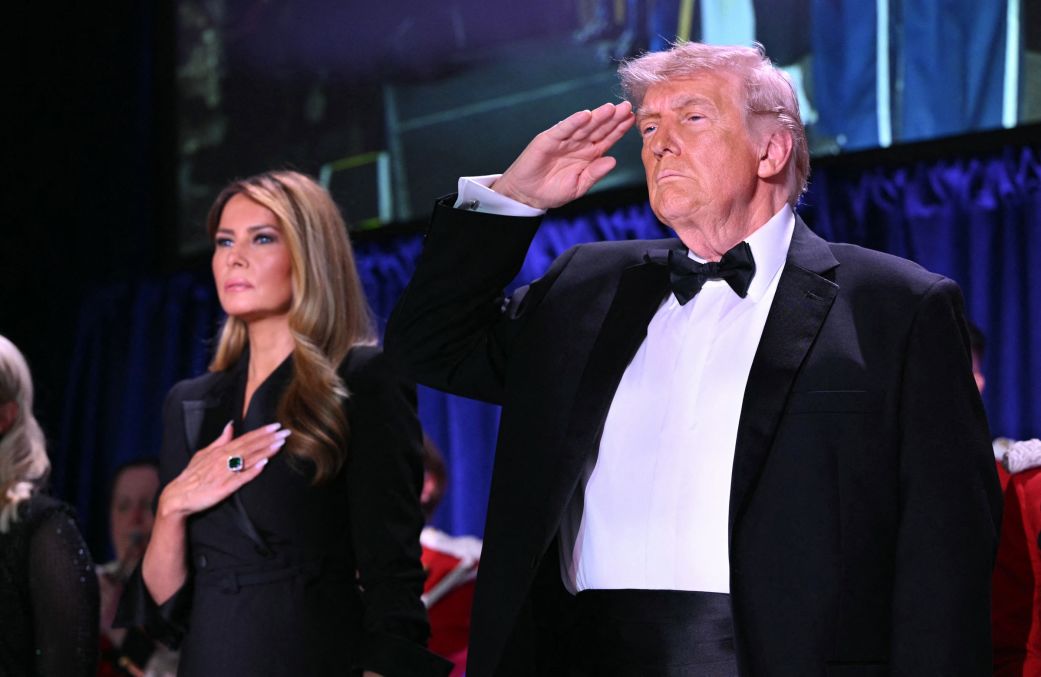
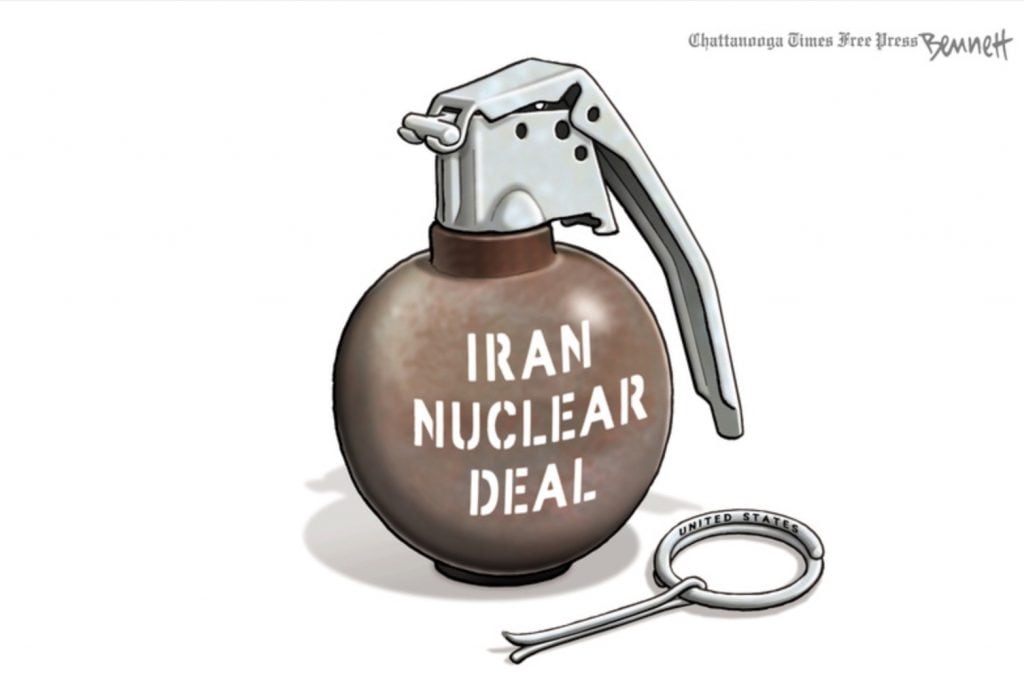
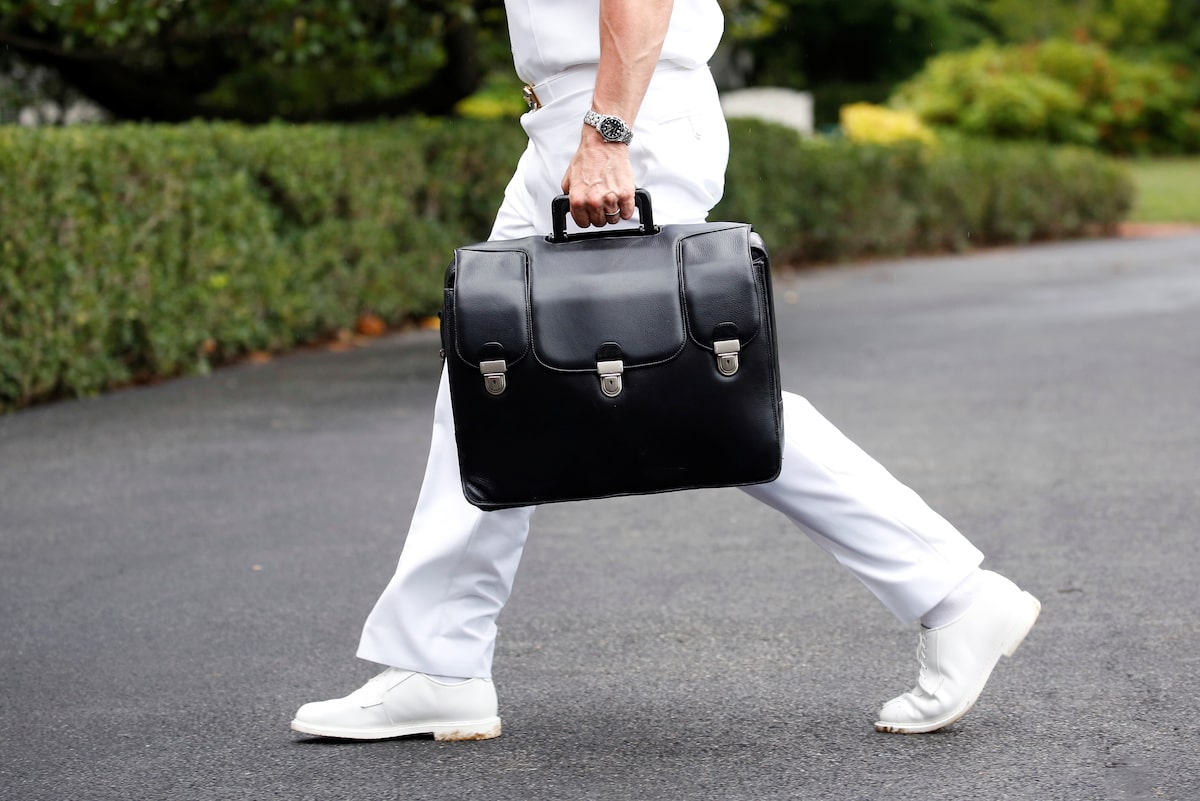
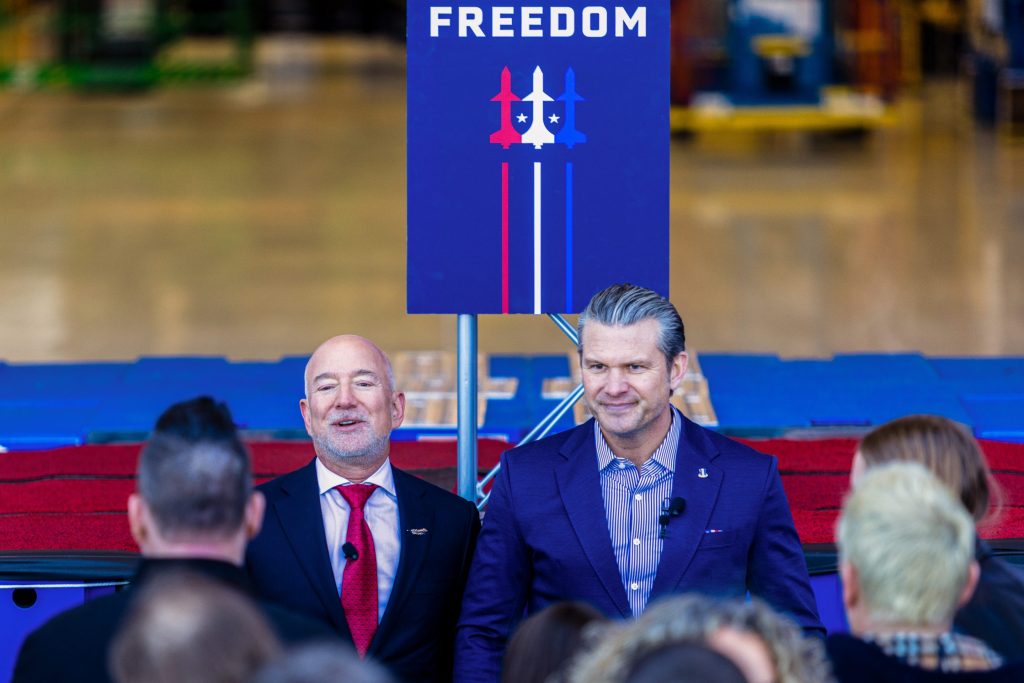
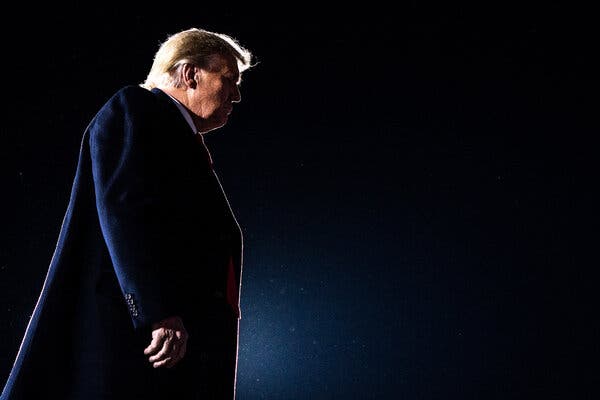
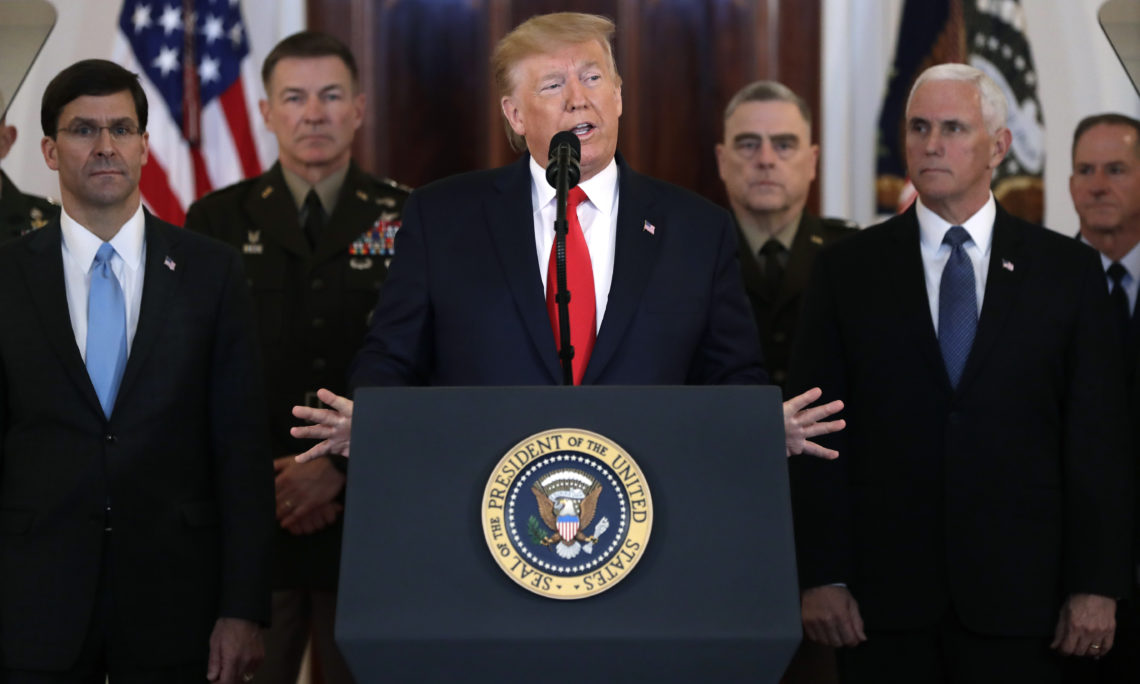
‘In a press conference after the incident, Trump appeared to link the shooting to his long-standing proposal for a new White House ballroom. “I didn’t want to say this, but this is why we have to have all of the attributes of what we’re planning at the White House. It’s actually a larger room, and it’s a much more secure [sic]. It’s got – it’s drone-proof, it’s bulletproof glass,” Trump said. One theory, presented without evidence, is that security may have been deliberately weakened to support Trump’s case for the ballroom. Several far-right figures, including Jack Posobiec, Chaya Raichik, known as Libs of TikTok, and Tom Fitton have shared theories online that are skeptical of the official explanation. Experts say conspiracy theories often emerge after political violence. Sander van der Linden noted that “Trump is an opportunist…He immediately is thinking, ‘How can I use this to my advantage?’”…’ (via Flipboard)
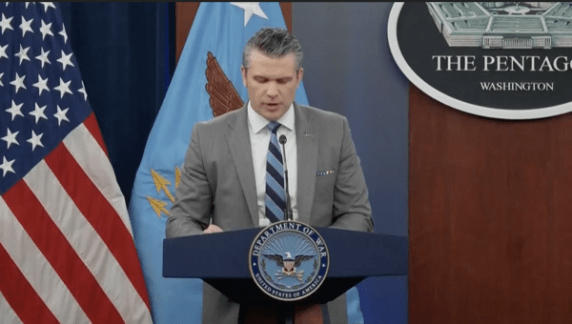
‘Hegseth has his favorite soundbites — but none of them landed here, where he sounded increasingly deluded and desperate, writes Holly Baxter…’ (via The Independent)
‘News broke Tuesday that President Donald Trump’s face would soon appear on new U.S. passports. It wasn’t exactly a surprise, given the way Trump has been slapping his name on various buildings, planning to plaster his face on two different coins this summer, and naming government initiatives after himself. Have you signed up for a Trump Account or TrumpRX yet?
But there has been some confusion about how widespread the Trump passports will be…
Will every U.S. citizen get a Trump passport? When do the new passports start? And how can I avoid getting a passport that bears the face of our dipshit president?
The Bulwark obtained images of the new passport, which includes a portrait of President Trump in front of a copy of the Declaration of Independence. The President’s signature will also be included in gold-colored ink. Trump will be on the first page of the passport, which has featured an illustration of Francis Scott Key since 2021.
The normal passport includes lines from “The Star-Spangled Banner,” including “O say does that star / spangled banner yet wave / O’er the land of the free / and the home of the brave.”
The passports will reportedly be available to all Americans, but only 25,000 to 30,000 will be printed, according to NPR.
The passports will become available shortly before July 4, according to NPR, though the exact date is still unclear.
Applicants at the Washington, D.C., passport office will get the new passport by default, and it will be the only one available at the Washington Passport Agency, according to the Washington Post. If you steer clear of that office, you should be fine. But the passport will also be available online for people outside of DC, according to NPR, so be careful if you’re applying through that channel.…’ (Matt Novak via Gizmodo)
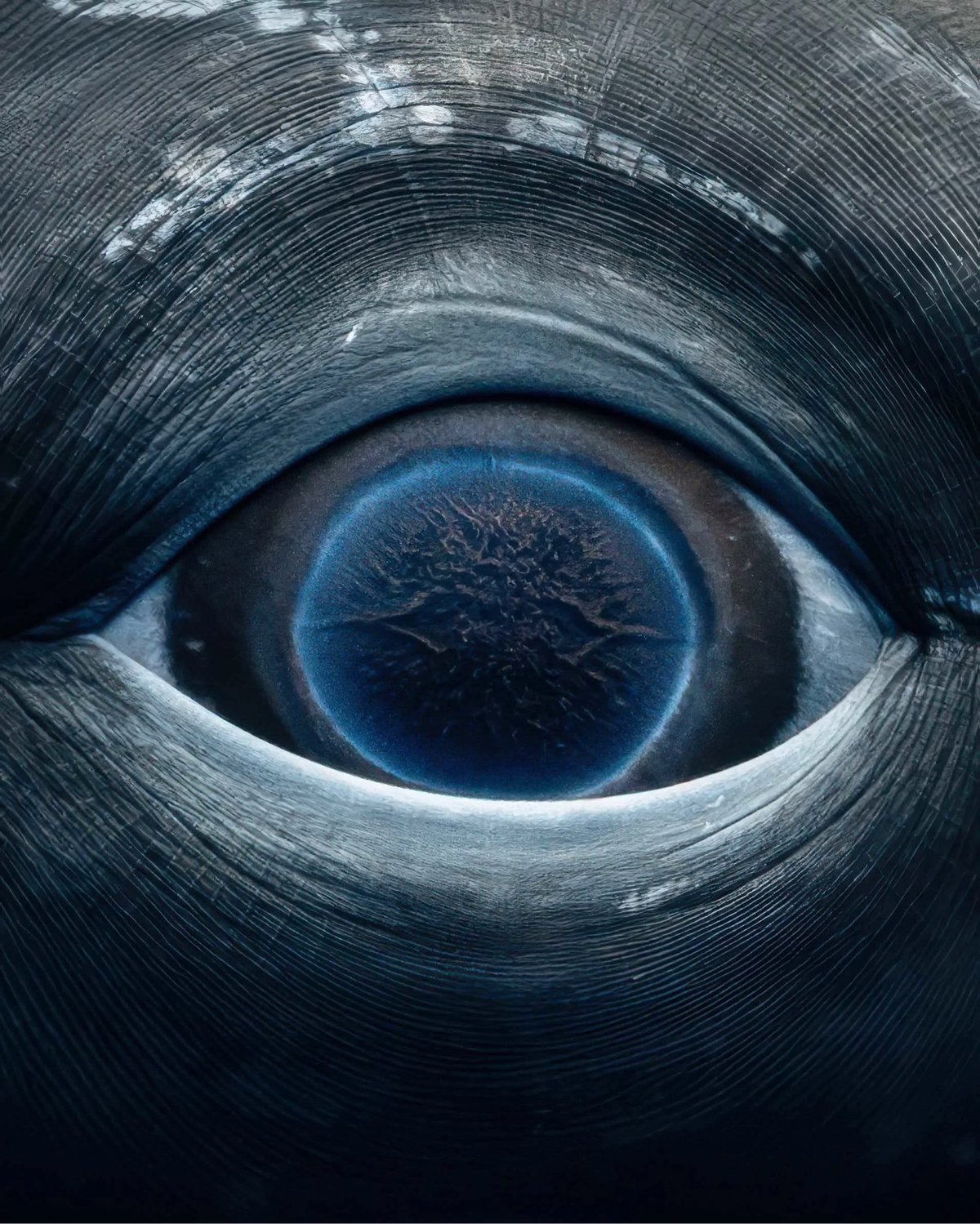
‘I’ve never seen anything like these photos before. In October 2024, Rachel Moore had a close encounter with a humpback whale in French Polynesia and took these photos of the whale’s eye.…’ (Jason Kottke via Kottke)
‘The Justice Department said Friday that it was moving to expand the execution methods used to carry out federal death sentences beyond lethal injections, including by making firing squads and electric chairs available in some cases.
The announcement was the latest in a series of moves President Donald Trump’s administration has taken demonstrating support for the death penalty. Trump has long been an avid supporter of capital punishment, and during his first term, the Justice Department carried out its first federal executions in nearly two decades.
Since Trump’s return to the White House last year, his administration has lifted a moratorium on federal executions and pushed for more death sentences. Trump and other officials have also repeatedly castigated President Joe Biden for commuting the sentences of 37 of the 40 people on federal death row shortly before he left office.
In its announcement Friday, the Justice Department said that in addition to seeking other ways of carrying out death sentences, it was directing federal officials to restore the execution protocol adopted during Trump’s first term, which uses the drug pentobarbital for lethal injections. This protocol — which some death row inmates had challenged in court, saying it would cause them severe suffering — was used to carry out 13 executions during the last year of Trump’s first term…’ (Mark Berman via Washington Post)
‘The Trump administration and congressional Republicans have spent the last year trying to defang the Endangered Species Act, the country’s bedrock conservation law. But one of the most aggressive and far-reaching attempts just faced a major setback—and concerns from within the party were at least part of the reason.
Republicans in the US House of Representatives abruptly canceled a vote that had been scheduled for Wednesday—Earth Day—on legislation that aims to codify into law many of President Donald Trump’s moves to weaken endangered species protections. Some lawmakers, mostly in tourism-dependent areas along the Gulf of Mexico, expressed concerns about the bill.
“Don’t tread on my turtles. Protected means protected,” US Rep. Anna Paulina Luna (R-Fla.) wrote in a social media post on Monday ahead of the then-pending vote.
The vote cancellation came weeks after the Trump administration issued a controversial—and legally dubious—exemption for oil and gas drilling in the Gulf of Mexico from conservation measures required by the Endangered Species Act.…’ (Inside Climate News via Ars Technica)
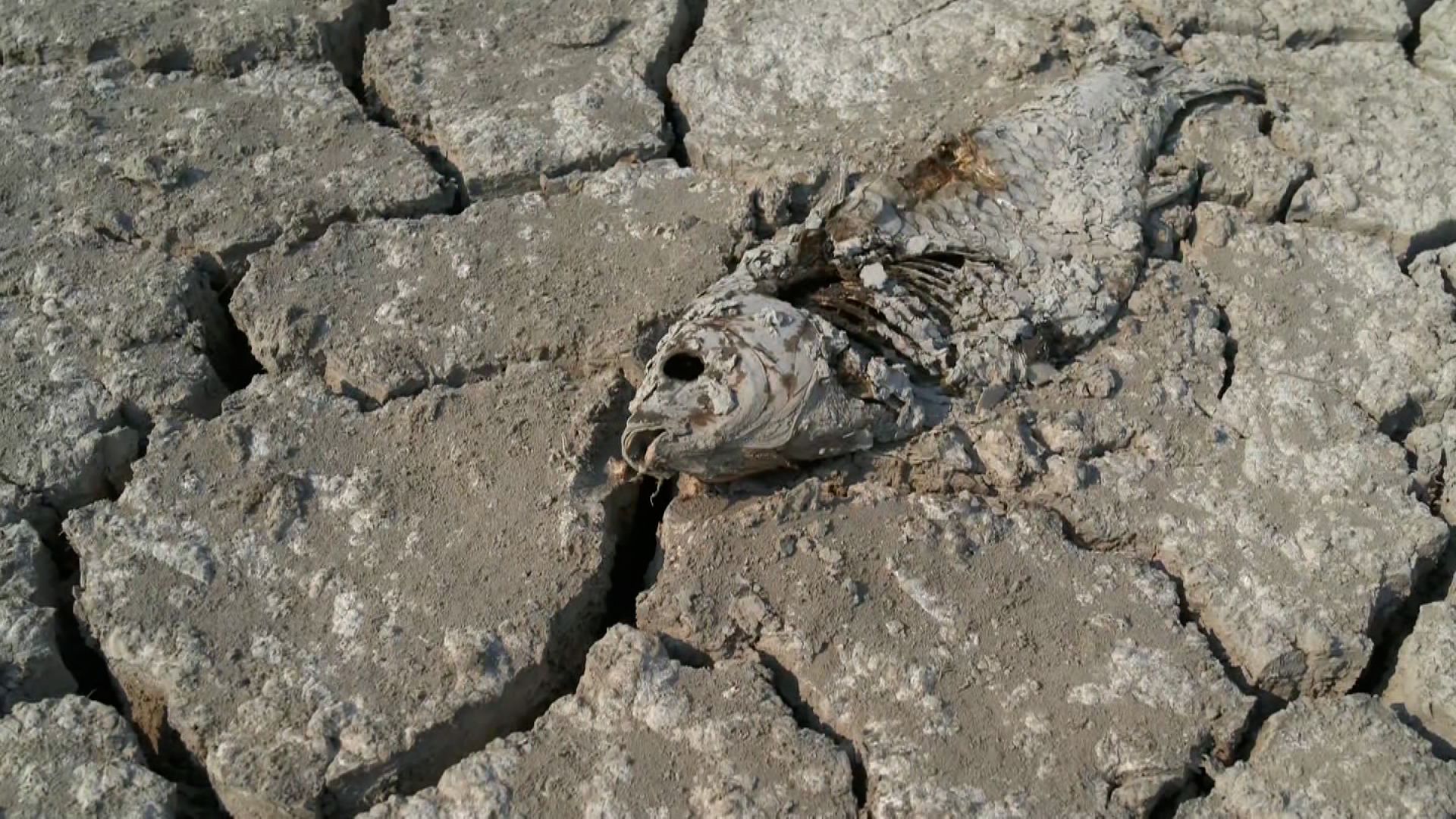
‘Climate change and rapid population growth are shrinking the lake, creating a bowl of toxic dust that could poison the air around Salt Lake City.…’ ( via Salt Lake Tribune)
‘Tomorrow is the White House correspondents’ dinner, where in 2011 Trump was infamously mocked by Barack Obama and Seth Meyers – an event some say was the moment that convinced him he had to run for president. The “nerd prom”, once a staple in the calendars of presidents and Washington power brokers, has been shunned by Trump throughout his time in office. But this year the anti-free press president will be the guest of honour in a room full of news executives and journalists; a bizarre and troubling dynamic explored in this column by Margaret Sullivan.…’ ( via The Guardian)
‘I read today that humans are more sensitive to the smell of an impending rainstorm than sharks are to the scent of blood. However, the funky odor that we associate with rain a-comin’ isn’t in the rain itself, nor is it the smell of wet asphalt, as I used to believe as a kid. It’s an aroma created by a compound called geosmin.
Geosmin smells kinda musty, a little like a pair of garden gloves after they’ve been digging around in moist topsoil. There’s a reason for this: geosmin’s also responsible for the smell of said soil. The compound is generated by some algae and strains of bacteria that reside in soil. Just add water.
In addition to the smell we’ve come to associate with a downpour, geosmin also plays a significant role in why beets taste the way that they do. In 1964, the smell of rain falling on dry, geosmin-rich soil was coined as petrichor by chemist Isabel Joy Bear and mineralogist Richard Grenfell Thomas.
Not too long ago, it was put forward in a paper that our ability to detect the odor of geosmin was a feat of survival for early humans and our early primate pals. The scent of the compound may have helped our predecessors find water during a drought.…’ (via Boing Boing)
‘Voters have once again handed President Donald Trump a loss in one of the defining fights of his second administration: the national congressional redistricting race.
On Tuesday night, Virginia approved a ballot measure to redraw the state’s 11 congressional districts to give Democrats a significant edge — salvaging Democratic hopes of flipping control of the House of Representatives in the fall…
Currently, Virginia’s congressional delegation is split 6-5 in Democrats’ favor; the referendum approved on Tuesday night asked voters to rejigger the map to favor Democrats in 10 districts, netting four seats.
Combined with redrawn maps in California, Missouri, North Carolina, Texas, Ohio (mandated by the state constitution), and Utah (due to a court decision), the Virginia vote creates the possibility that Democrats enter the midterm elections with a one-seat edge based on past voting patterns…’ (via Vox)
‘Retired CIA analyst Larry Johnson was interviewed on the YouTube program Judging Freedom and spoke of a nuclear standoff between the military and Donald Trump. He alleged that the president attempted to access the nuclear codes during an emergency White House meeting. However, he was stopped by a senior military official.
According to shocking claims, Trump made the attempt on Saturday during an urgent meeting relating to Iran.
“One report coming out of that meeting at the White House is that Trump wanted to… use the nuclear codes, and General Dan Caine stood up and said ‘No’. He invoked his privilege as the head of the military, so to speak. It was apparently quite a blow-up,” Johnson said, adding, “There are pictures of Caine coming out of that meeting with his head down to the ground.”…’ (via Inquisitr News)
‘Almost a dozen scientists related to nuclear and space defense programs tied to NASA, SpaceX, and Blue Origin are dead or missing in cases as far back as 2022, and they’ve gone largely unnoticed by authorities and the public—until now.
The House Oversight Committee formally demanded answers from four federal agencies Monday on the deaths and disappearances of at least 11 American scientists and researchers with ties to NASA, nuclear research, and classified defense programs—several of them directly connected to the space defense technologies now being commercialized by SpaceX and Blue Origin.…’ (Catherina Gioino via Fortune)
‘The Southern Poverty Law Center was indicted Tuesday on federal fraud charges alleging it improperly raised millions of dollars to pay informants to infiltrate the Ku Klux Klan and other extremist groups, acting Attorney General Todd Blanche said.
The Justice Department alleges the civil rights group defrauded donors by using their money to fund the very extremism it claimed to be fighting, with payments of at least $3 million between 2014 and 2023 to people affiliated with the Ku Klux Klan, the United Klans of America, the National Socialist Party of America and other extremist groups.…’ (via NPR)
For some time, the Southern Poverty Law Center had slipped down my own charity priority list. Not because its mission had become less important, but because it had become exceptionally well funded. When an organization is sitting on very large assets, the case for my marginal dollar is weaker than it is for leaner groups doing urgent work with far less cushion. That calculation may now need revision.
I have no interest in pretending to know the ultimate legal merits before this case is litigated. But I do know this: when the Trump administration, with its long record of contempt for independent watchdogs, civil-rights enforcement, and any institution unwilling to bow to its politics, turns federal power on one of the country’s best-known civil-rights organizations, the issue is no longer just ordinary charity triage. It becomes a test of whether civil society will be cowed.
This is not a plea on the ground that SPLC is suddenly destitute. It is not. By its own recent audited financial statements, it remains extraordinarily well capitalized. That matters. I am not asking anyone to suspend judgment or ignore the fact that SPLC has resources most nonprofits can only dream of.
But that is not the point. Trumpism does not need its targets to be poor in order to damage them. It needs only to make resistance expensive, exhausting, and politically fraught. An indictment of this kind can impose heavy costs even on a wealthy organization: legal expense, management distraction, donor intimidation, reputational damage, chilled partnerships, and the diversion of time and money away from substantive work. A movement that thrives on bullying institutions into silence counts on precisely this kind of secondary effect. It counts on people deciding that support has become too controversial, too messy, or too embarrassing.
That is exactly when support matters.
You do not have to believe that SPLC is perfect. I do not. You do not have to believe that every judgment it has made over the years has been wise. I certainly do not. The relevant question is whether organizations that monitor violent extremism, litigate for civil rights, and challenge abuses of power should be left to fight alone when a vindictive administration puts them in its sights. The Trump movement has made clear, over and over, that it regards independent institutions not as legitimate participants in democratic life but as enemies to be weakened, discredited, and, where possible, crushed.
For me, the answer is no.
So my view has shifted. SPLC once seemed to me a less urgent destination for charitable dollars because it was flush. Now, despite that wealth, supporting it has become more compelling as an act of civic and political resistance. Not because it is poor, but because it is under attack; not because it lacks reserves, but because it is being made to spend them defending its right to function; not because every criticism of it is baseless, but because the larger Trumpist project is plainly to isolate and punish adversarial civil-society organizations one by one until fewer and fewer remain willing to oppose it.
If you are inclined to give, give with clear eyes. Do it knowing that SPLC is not a shoestring operation. Do it because you think institutions like this should not be politically terrorized into passivity. Do it because a democracy cannot remain healthy when an authoritarian movement uses the machinery of the state to harass its critics and make examples of its opponents. Do it because one way to answer that kind of politics is to refuse the intimidation and support the people and institutions it is trying to break.
‘Donald Trump’s advisers are treating him like he can’t handle the reality of the war in Iran. They might be right—but that fact is a danger to the constitutional order.…’ (David A. Graham via The Atlantic)
‘Shortly before his death, the physicist Richard Feynman inscribed these legendary words onto a blackboard: “What I cannot create, I do not understand.”
AI researchers have really taken this idea to heart. Since it kicked off in the middle of the last century, the field has sought to recreate the physical processes of the human brain—hence the phrase neural networks. So-called transhumanists have taken this a step further, arguing that human consciousness itself can ultimately be transferred to silicon. Now, a San Francisco startup called Eon Systems is aiming to achieve both goals. Its first major breakthrough? A virtual fly.
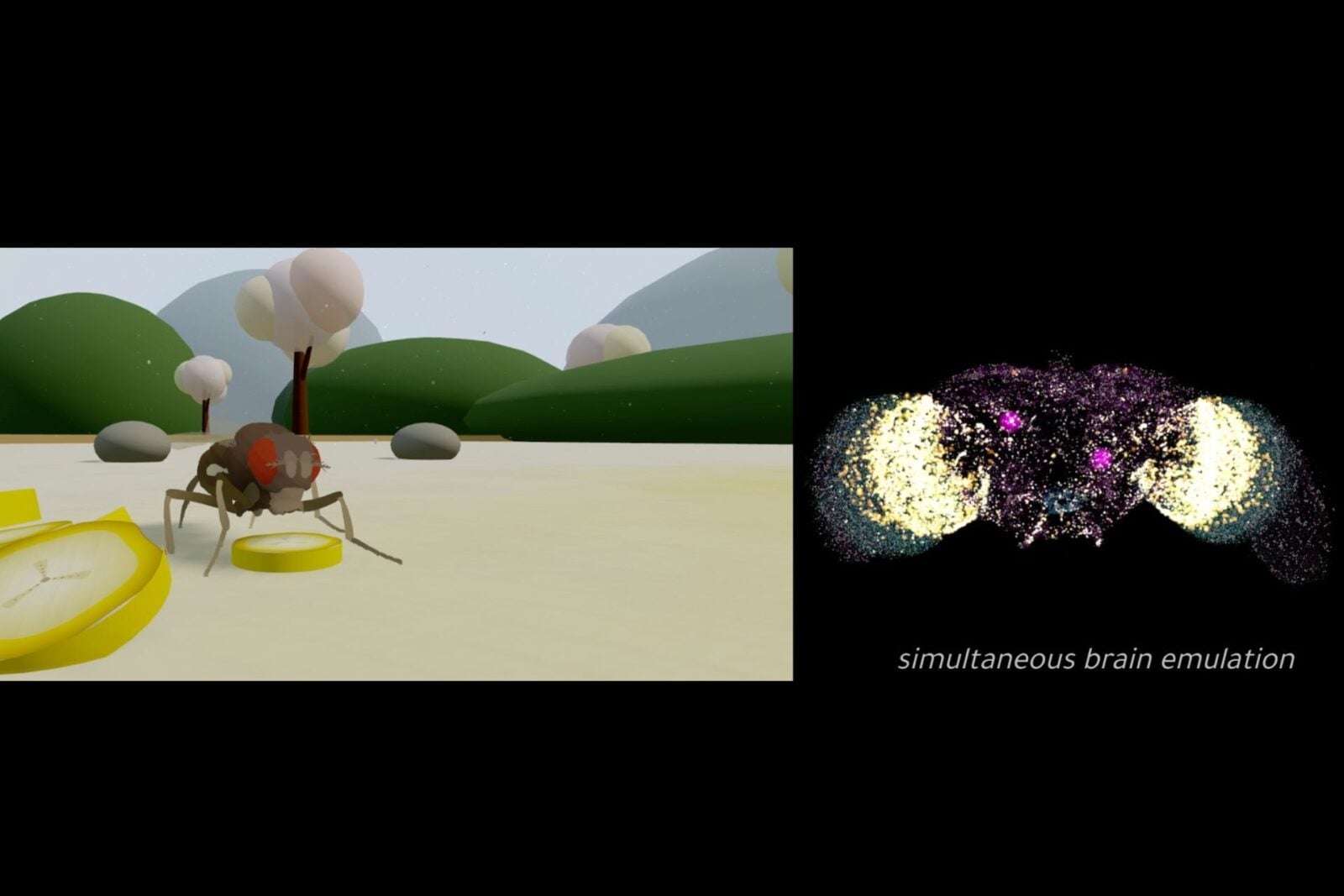
Last month, the company posted a video of a virtual fly scurrying around a Sims-like environment, pausing to wipe some digital dust off its antennae, and moments later arriving in front of some simulated banana slices, which it promptly slurped up. The video went viral, attracting the attention not only of AI researchers and roboticists but also that of the longevity influencer (and mind-uploading enthusiast) Bryan Johnson.
Why all the buzz (terrible pun intended) about a virtual fly? In short, the excitement stems from the technology working behind the scenes: The fly’s “body” is powered by a digital replica of a complete fruit fly connectome—i.e., a complete map of the neuronal pathways within its brain—comprising around 125,000 neurons and 50 million synaptic connections. Constructed using a powerful electron microscope, the digital connectome was paired with an AI algorithm that can match the firing of the virtual neurons to those found in an actual fruit fly brain with an accuracy of 95%, according to Eon.
This is as good as the real thing, according to Alex Wissner-Gross, a computer scientist and Eon’s cofounder: “What you are seeing is not an animation,” Wissner-Gross wrote in a Medium post following the video’s release. “It is not a reinforcement learning policy mimicking biology. It is a copy of a biological brain […] making a body move.”…’ (via Gizmodo)
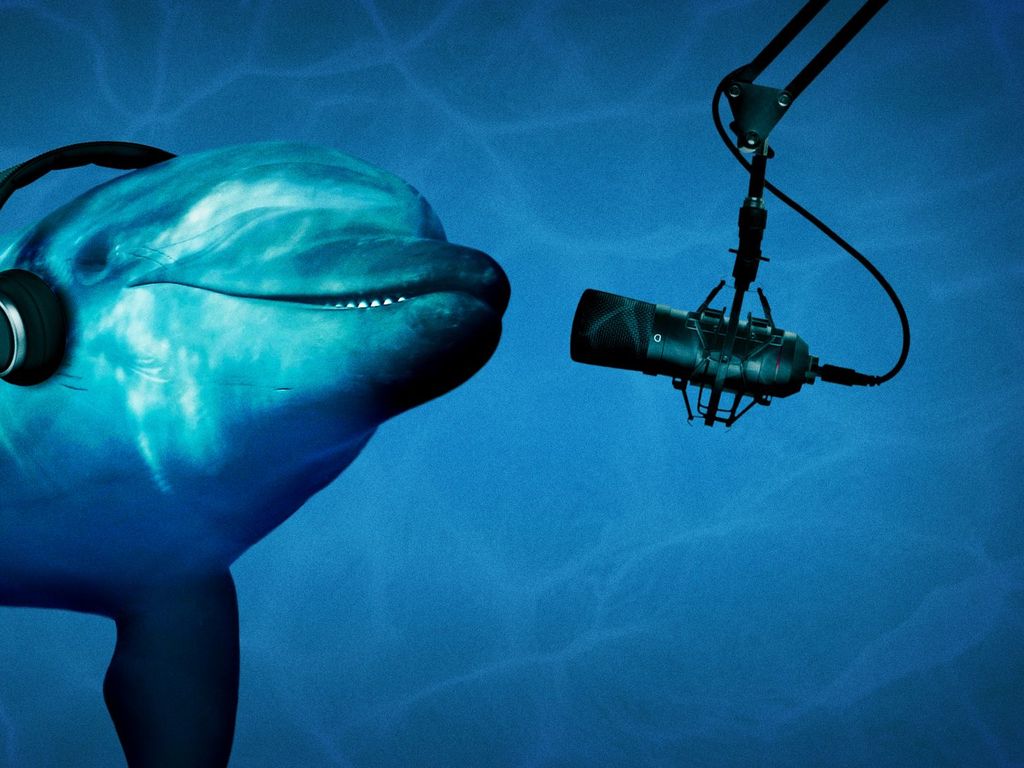
‘Advances in computing power, artificial intelligence and ways to measure sounds promise to speed this translating process, turning animal chatter into bits of information that could be decoded by humans …’ (Laura Sanders via Science News)
‘…if we kick one suspected rapist out of Congress, we’ll then have to kick out all the suspected rapists. It’s naïve to imagine the government can continue to function without the tireless dedication of our best and brightest rapists. …’ (by Talia Argondezzi via McSweeney’s)
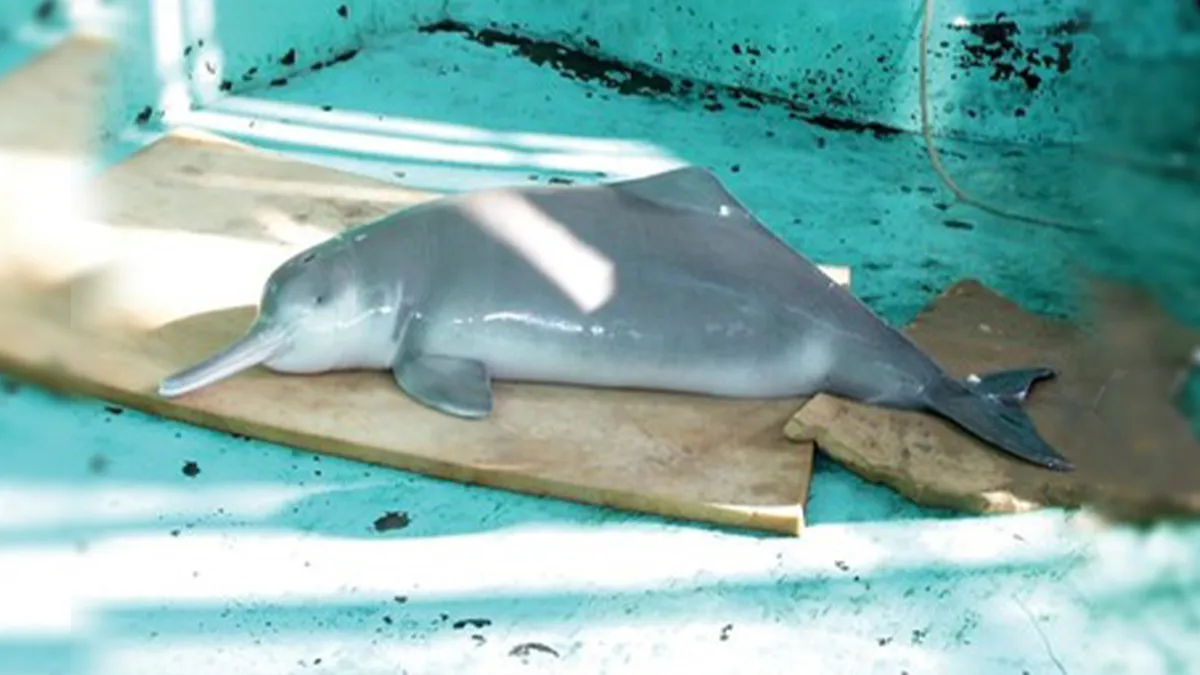
‘In 2002, QiQi, the last known dolphin of its kind, died after spending its final years alone in a tank at the Institute of Hydrobiology in Wuhan. Later efforts to find others of the species in the wild have come up empty, but its apparent demise is providing the next generation of conservationists with hard-won lessons for the new challenges still ahead.…’ (via IFLScience)
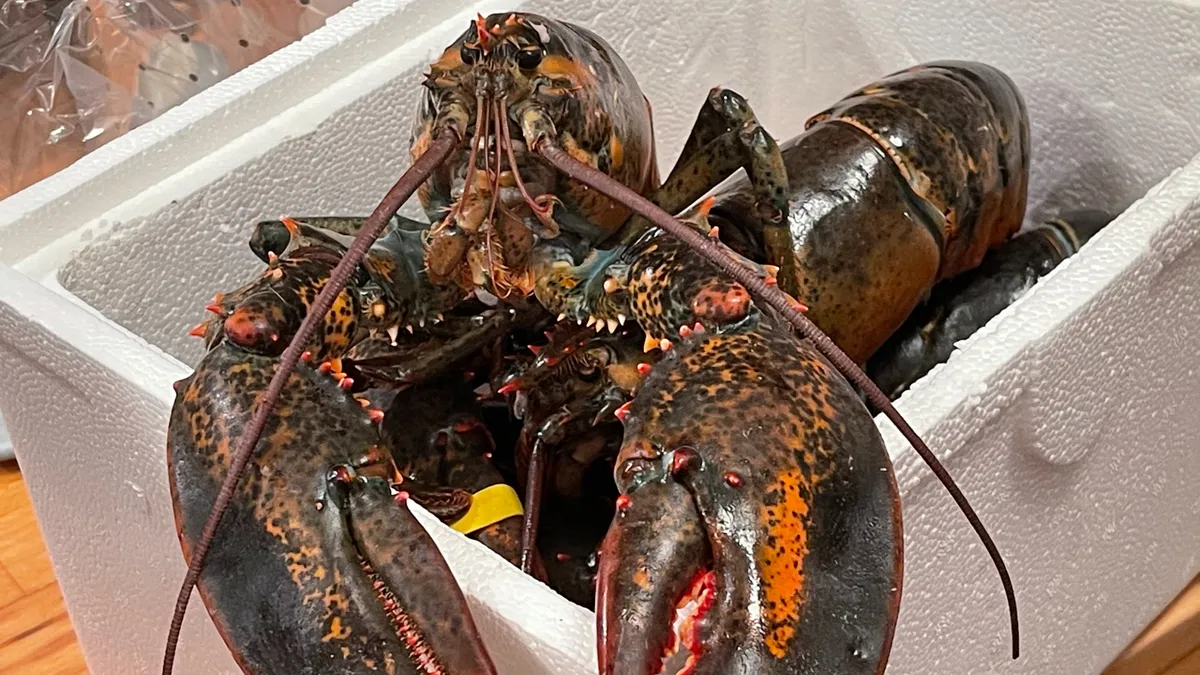
‘A new study adds to the growing body of evidence that lobsters feel pain, with the crustaceans seemingly responding to electrical shocks with emotional distress.…’ (via Live Science)
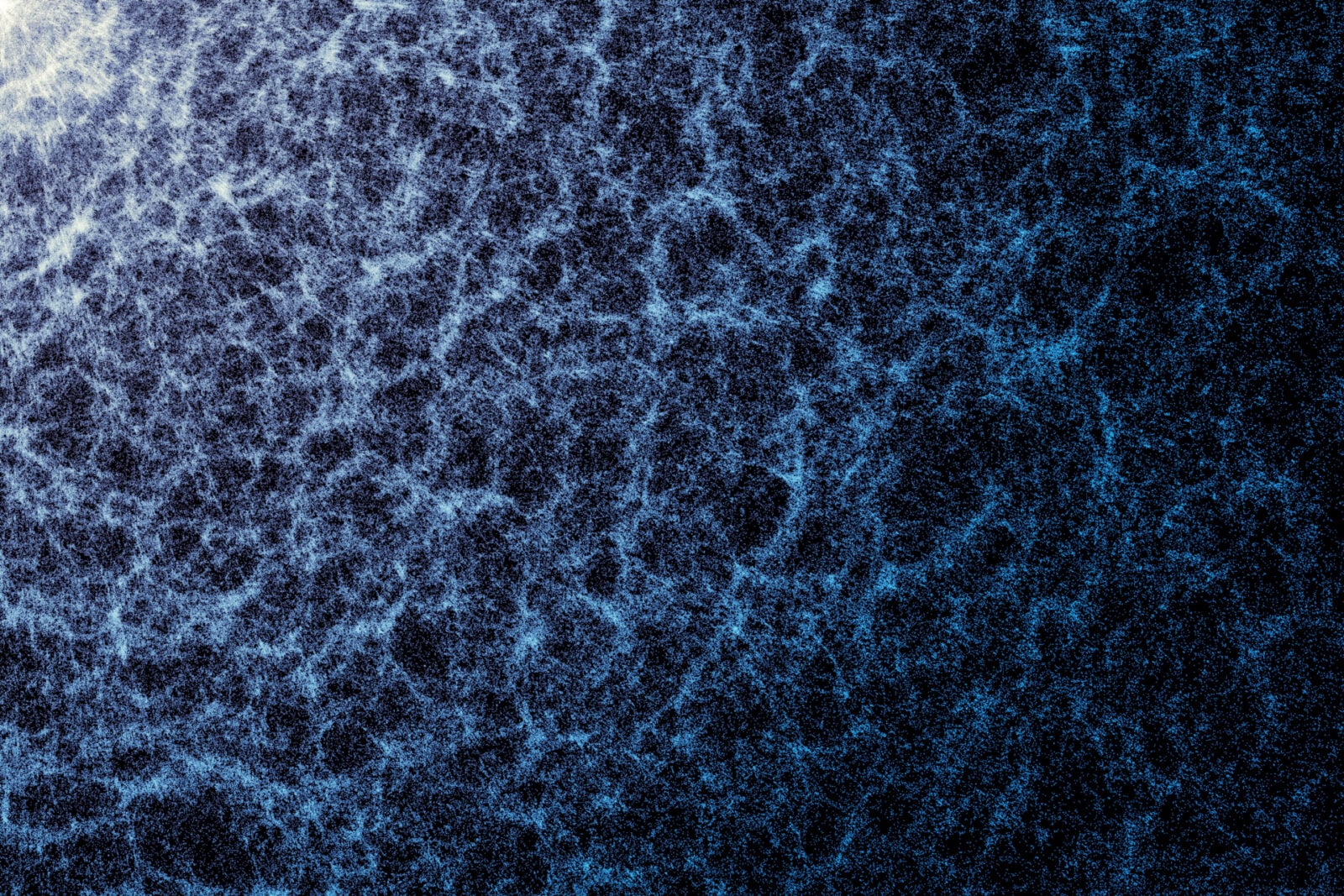
‘A small portion of DESI’s year-five map showing the large-scale universe structure, created by gravity. Each dot represents a galaxy, whereas the denser areas represent regions where galaxies and galaxy clusters clump together to form the cosmic web.…’ (via Gizmodo)
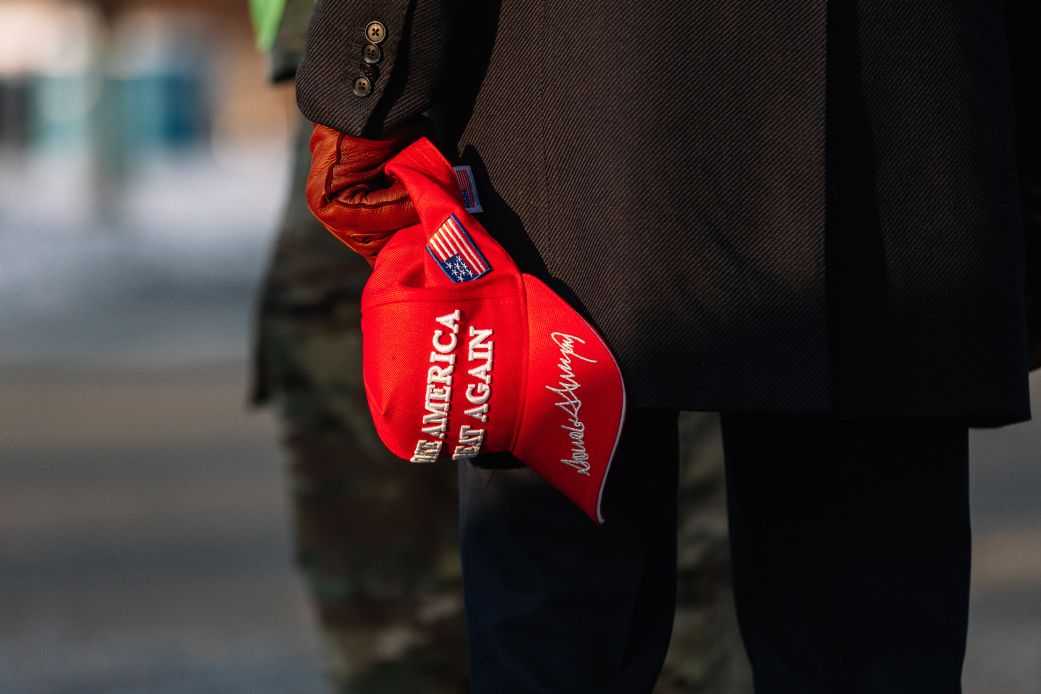
‘A seemingly endless torrent of criticism directed toward Trump from former MAGA allies suggests the president is losing support from his base.…’ (via WIRED)
Be careful what you wish for. The movement can only become more insidious and formidable when stripped of Trump’s buffoonery, malignant narcissism, cognitive limitations and impulsivity
‘Reciprocard is a search engine for reciprocal library cards. Search for a library, and Reciprocard returns a list of reciprocal libraries, as well as cards that are available in person or for a fee. Reciprocard is the perfect companion to a tool we have covered previously, Library Extension, which checks e-book and audiobook availability right from Amazon, Goodreads, and multiple other book sites.…’ (via Boing [Boing)
‘If you are an avid book reader, you owe it to yourself to download Library Extension. It’s the best kind of extension. It does one thing and does it well. When you are looking at a web page for a book, it inserts the book’s availability from your local library right on the page.
The Library Extension has saved me hundreds of dollars by reminding me I can get just about anything from the library. If you are lucky enough to access multiple libraries, you can add them all. The extension supports thousands of libraries and tons of online bookstores. It also supports Goodreads, Library Thing, and Storygraph. It is available for Chrome, Firefox, and Edge.…’ (via Boing Boing)
‘A national effort to circumvent the Electoral College has gained another state.
Virginia Gov. Abigail Spanberger signed a bill Monday that adds the state to the National Popular Vote Compact, an agreement among states to award their presidential electoral votes to the nationwide popular vote winner.
With Virginia, the total number of states signed on to the interstate compact is now 18, plus the District of Columbia, for a total of 222 electoral votes.
The compact doesn’t go into effect, though, until there are enough states signed up to reach the required 270 electoral votes to elect a president.…’ (via NPR)
‘Running a terrible record on foreign policy, Trump bootlicker JD Vance went on television to condemn Iran for “economic terrorism” in the Strait of Hormuz. Vance then immediately suggested that the United States would respond by doing the exact same thing, because nothing says moral clarity like immediately copying the behavior you just denounced.…’ (via Boing Boing)
‘…it’s well known that Trump has always had the final word on what ends up on his social media feeds, and the history of his presidencies is littered with examples of his advisers being unable to stop Trump from posting or reposting things he personally comes across. While the post has been deleted (rare!), it appears that anyone in the White House who’d be trying to stop Trump from posting more blasphemous images is failing to do so: On Wednesday morning, Trump posted yet another AI-generated image from a follower that depicted him and Jesus embracing in front of an American flag. “The Radical Left Lunatics might not like this,” he wrote, “but I think it is quite nice!!!”…’ (via The Verge)
As a psychiatrist, I have found myself returning to a question that has no entirely satisfactory answer: what can responsibly be said about the mental state of a public figure whom one has never examined? The traditional caution (the “Goldwater rule”) against diagnosing at a distance is well founded. Clinical judgment ordinarily rests on history, direct observation, and, when appropriate, testing. Quite simply, if you do not have a face-to-face treatment relationship with someone, diagnosing them has been considered unethical. But we are no longer in an era of fragmentary exposure. We are confronted instead with a dense, longitudinal public record of speech and behavior. At some point, the question shifts. It is no longer whether isolated lapses occur—they do in everyone—but whether there is a sustained alteration in the organization of thought, language, and impulse. My associate, psychiatrist Henry Abraham , shares similar concerns in this essay. And, I would say, Trump’s condition is a clear existential threat and public health emergency, arguing for forfeiture of such ethical niceties.
From a clinical standpoint, single incidents are uninformative. People misspeak, forget names, lose their train of thought. What carries weight is pattern. Increasing frequency of disorganized or illogical speech, a drift toward vagueness or incoherence, difficulty sustaining a line of thought, and a diminished capacity to anticipate consequences—these are not random errors. They suggest a weakening of higher-order integrative functions. Similarly, while irritability or even cruelty may be longstanding traits, a shift toward more poorly modulated, impulsive, unconstrained expressions of those traits points to something more than personality alone.
In Trump’s case, the relevant question is not whether any given statement can be explained away, but whether the aggregate record reflects such a shift. His speech over time is publicly available in abundance, and it permits comparison. What stands out is not merely content—though that is often striking—but form: increasing circumstantiality, fragmentation, and loss of syntactic and conceptual coherence. At points he appears to lose the thread entirely, substituting associative or idiosyncratic references that are opaque even to sympathetic listeners. Last week, for example, he became cognitively lost during a rally and began talking about the “eight circles” that Biden had filled up with journalists; no one on his staff has been able to explain the reference. His supporters and aides seem increasingly unable to cover for these lapses. These are not gaffes in the ordinary sense. They suggest difficulty maintaining organized thought in real time.
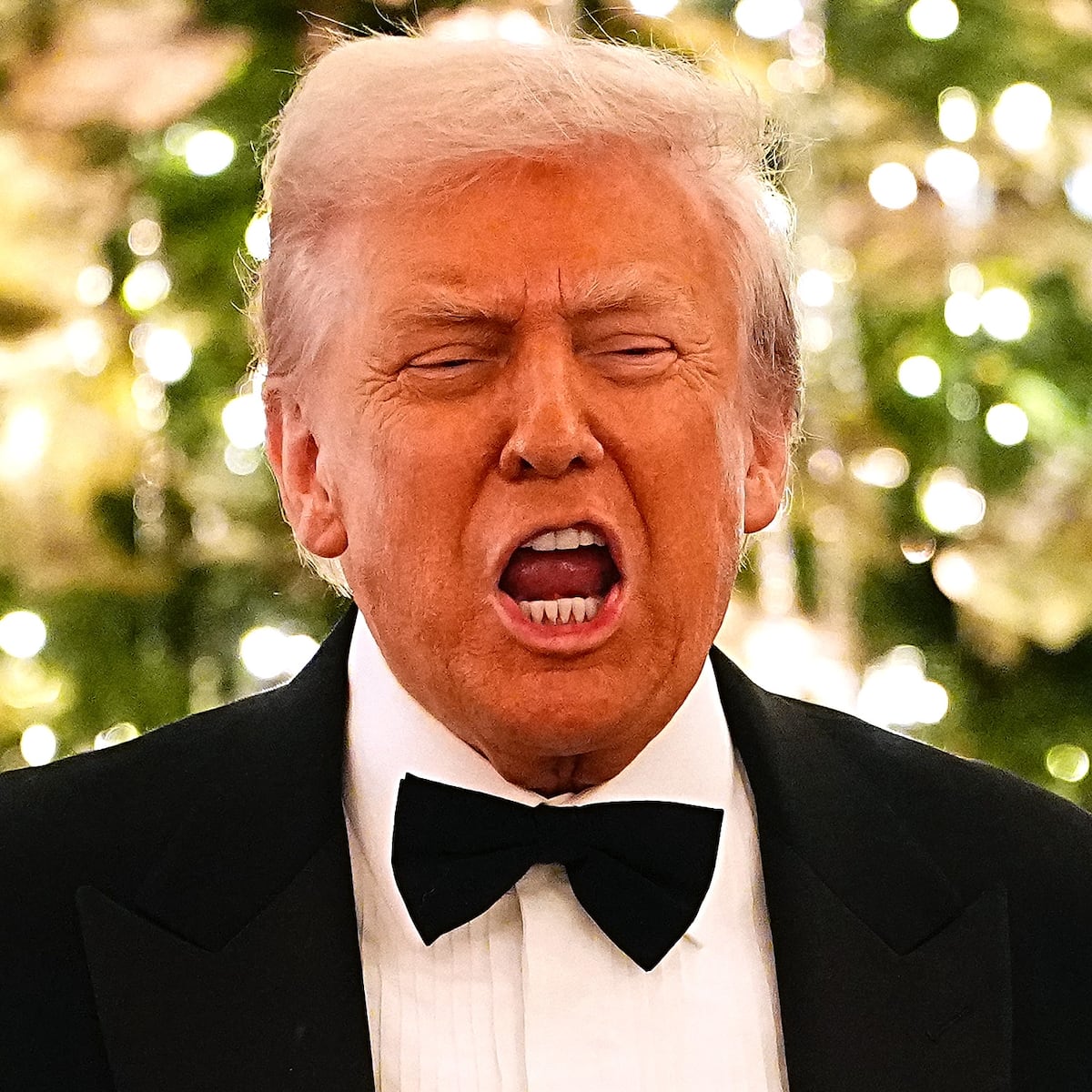
His behavioral pattern shows a parallel change. Longstanding tendencies toward grandiosity, grievance, and attack have become less modulated and more expansive. Trump’s long-established grandiosity has also become more extreme, with Truth Social featuring increasingly bizarre AI-generated imagery, including Trump shaking hands with God. More recently, this culminated—though I use that term cautiously, since there may be worse to come—in the Hitlerian genocidality of his grandiose Easter threat to wipe out Iranian civilization. The issue is not the presence of these traits, but their apparent intensification and disinhibition. Abraham comments, “His paranoia and rage attacks during tweet binges at night and episodes of falling asleep at meetings during the day may be related to episodes of stimulant abuse followed by withdrawal.” Claims that Trump abused Adderall date back to his Apprentice years. More recently, Dr. Jack Brown has pointed to Trump’s dilated pupils, evident in close-up photographs, as a strong indication of substance use. Brown observed that, in a normal individual with healthy eyes in a well-lit room, “the statistical odds of dilated pupils approaches zero.”
Whether one frames this in affective, neurocognitive, or purely behavioral terms, the pattern is not static. Underlying mechanisms—neurodegenerative processes, vascular contributions, effects of sleep disruption, or substance use—remain speculative, since Trump is unlikely to be transparent about impairments or vulnerabilities. Nevertheless, it is difficult to deny that there appears to be a longitudinal decline in coherence, impulse control, and capacity for organized, goal-directed communication.
What follows from such an observation? Here it is easy to become sidetracked into diagnostic debates that, in practical terms, cannot be resolved. The more relevant issue is functional. The presidency is an office that depends heavily on precisely those capacities—sustained attention, coherent reasoning, impulse control, and the ability to anticipate consequences under conditions of stress and incomplete information. If there is credible concern that these capacities are compromised, the problem is not primarily one of nomenclature but of governance.
Thus, there is merit in Abraham’s conclusion that “Instead of dwelling on his psychopathology, the country needs to focus on his behavior. Political power has turned a buffoon into a monster. Political power will be needed to stop him.” Whether this process is vascular dementia or the frontotemporal dementia about which I have previously speculated, we appear to be looking at progressive neurodegeneration. But we cannot wait for nature to take its course. We are already deep in 25th Amendment territory. As Abraham concludes, “that solution now is only a soft drumbeat, but it may grow if the Democrats win the midterms and if they can put the country ahead of fighting amongst themselves.”
At the same time, the clinical lens is not irrelevant; it provides a way of organizing what might otherwise be dismissed as a series of disconnected incidents. The pattern, taken as a whole, is difficult to ignore. Whether the underlying process is neurodegenerative, affective, malignant personality, or something else entirely, the trajectory appears unfavorable. But even that is, in a sense, secondary. The central question is not what to call the condition, nor how it will evolve over time, but what threshold of observable dysfunction a political system is prepared to tolerate in someone occupying its most demanding executive role.
Of course, Trump has insulated himself from meaningful challenge by surrounding himself with individuals unwilling or unable to counter his malignant and often irrational decision-making. This is not reducible to weak personalities. It reflects an emergent system—shaped by converging incentives, fears, identity rewards, and institutional erosion—that reliably selects for compliance.
The current political environment increasingly rewards submission over judgment. Loyalty is no longer anchored in shared, prudent goals but in proximity to power and avoidance of retaliation. The system operates through recognizable psychological mechanisms: fear conditioning (the visible punishment of dissenters), intermittent reinforcement (unpredictable rewards that deepen attachment), reduction of cognitive dissonance (beliefs adjusted to justify behavior), and identification with the aggressor. In combination, these processes produce a closed loop of groupthink.
Structural pressures reinforce this dynamic. Electoral incentives penalize deviation in the eyes of a highly mobilized base, amplified by a media echo system. Career risk is sharply asymmetrical: dissent invites immediate, personal consequences, while resistance offers only diffuse and uncertain benefits unless undertaken collectively. At the same time, institutional norms degrade—truthfulness is undermined, contradiction normalized, oversight politicized, and observers fatigued into disengagement.
The result is predictable: degraded decision quality, volatility, elevated risk-taking, and erosion of institutional credibility. Yet compliance should not be mistaken for agreement. It often reflects adaptation to incentives rather than genuine belief. That distinction matters, because it implies the system is not fully stable.
There are indications of strain among the sycophants (as I often log with glee here on Follow Me Here). The psychological burden of sustained dissonance is not trivial and accumulates over time. Systems of this kind depend on dissent remaining private. If disagreement becomes visible and shared, the underlying incentive structure can shift. And this is particularly true as the electorate is perceived to shift in response to a growing sense they were deceived and betrayed by Trump.
The central problem is therefore not primarily individual failure but systemic design. A durable correction would require reestablishing conditions under which dissent is recognized as fidelity to principles rather than betrayal of a person. That is difficult once institutions have adapted in the opposite direction, but not impossible. The operative question is how to realign incentives so that sound judgment, rather than compliance, again becomes the rational choice.
The war reflects an accelerating shift away from a U.S.-led global order—away from rules-based internationalism and toward a transactional, power-centered geopolitics that devalues alliances and asserts the primacy of force and unilateral action. Other major powers, including China, Russia, and regional actors, will be further incentivized to behave in similar fashion. The structural risk of escalation is high and difficult to control, with substantial potential for spillover through regional proxies and maritime choke points. Even limited military action can now cascade with unusual ease into a multi-theater conflict.
The economic consequences will be central, not secondary. There is no longer any meaningful distinction between a conventional war and a generator of global economic shock. Even if the United States secures short-term leverage, it will do so at evident long-term cost. Any immediate gains are likely to be offset by damage to alliances, diminished U.S. credibility, and stronger incentives for other countries to move away from the U.S. sphere of influence. By widening the gap between the United States and both its European allies and major importers of Middle Eastern oil such as China and India, the war will accelerate geopolitical realignment away from the United States. Adversaries may also read the moment as one of inconsistent U.S. commitment and greater American risk-taking, shaped by domestic fragmentation and weak public support for the war.
The larger consequence will be the normalization of a more chaotic international system, with the long-term result being a less stable, less predictable world order. In that sense, the military outcome matters less than the conflict’s structural effect on global politics. (via POLITICO)
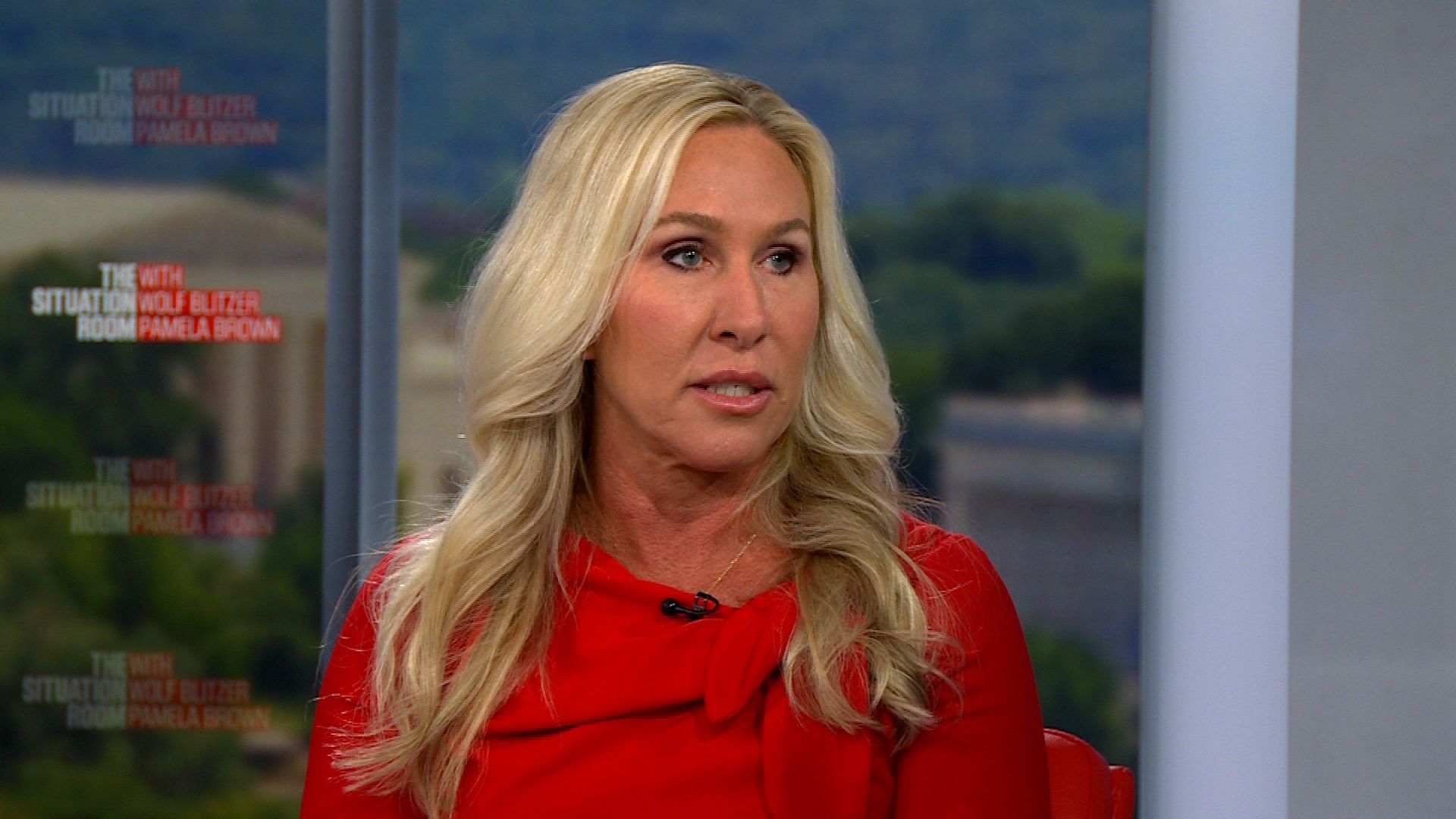
‘Republicans are going to get “slaughtered” in the midterms — losing the House and maybe even the Senate. This prediction isn’t coming from Hakeem Jeffries or Chuck Schumer but from former Republican Congresswoman and MAGA firebrand Marjorie Taylor Greene.
For six years, Greene was one of President Donald Trump’s most loyal allies and became an influential and polarizing voice in the Republican Party. But the Greene-Trump relationship ruptured late last year over her push to release the so-called Epstein files, leading to her abrupt resignation from Congress. Now, she’s one of Trump’s loudest critics, calling his military action in Iran “evil and madness” and endorsing the use of the 25th Amendment to remove him for being unable to fulfill the duties of his office.…’ (via POLITICO)
‘Killjoys and scatterbrains might have propelled the evolution of the human species. This is, essentially, the theory proposed by linguist Ljiljana Progovac in a new paper published in PNAS Nexus.
Progovac argues that clever verb-noun compounds like killjoy—which has a bit more punch than joy killer—were the earliest forms of verbal wit and helped the species survive. They enabled our ancestors to both soothe tempers with humor and compete with words rather than with fists. The wittier the human, the more likely that human would survive…’ ( via Nautilus)
‘Most American Catholics were probably not expecting to spend the first week of Easter trying to figure out whether their government was threatening to overthrow the first American-born pope.
Yet a handful of news reports this week raised that very strange possibility. They landed just as both the Roman Catholic Church and right-wing Christian influencers have been ramping up their criticism of the Trump administration over the Iran war.
Key takeaways
A report from the Free Press this week blew up tensions on the right already escalating over the US-Israeli war on Iran.
It alleged that Pentagon officials met with a top Vatican diplomat to the US and raised the memory of a dark time in the Catholic Church’s history: when French rules exercised power over the Church and the pope.
There are now competing accounts of what actually happened in that meeting, and denials by the Trump administration and the Vatican.
These reports sparked furor among Catholics and religious conservatives — adding fuel to an ideological civil war threatening the American right, and offering another example of the rift between the Vatican and the US.
This burgeoning scandal hinges on news reports that in January, the previous ambassador of the Vatican to the United States was called into an unusual meeting with Department of Defense officials at the Pentagon and dressed down. The Pentagon officials, reportedly, wanted to complain about a speech Pope Leo XIV gave in Rome that appeared to criticize American foreign policy. During the meeting, one official issued what some in the church saw as a veiled threat to the Vatican: a warning that the US wields unlimited military power, and that the pope should be conscious of that.…’ (via Vox)
In 2017 I posted this compendium of nicknames for Donald Trump, who has indubitably earned the right to undignified monikers. Revisiting that list, however, it is striking how few have endured.
To be durable, an epithet must be brief, phonetically sharp, and organized around a single, immediately legible idea. A small number show genuine staying power. “Don the Con” works through rhyme and semantic clarity. “Cheeto” and related “orange” variants persist through visual caricature and ease of recall. “Cadet Bone Spurs” remains effective because it encodes a specific narrative—Vietnam deferment—into a compact, repeatable phrase, one that that may be of increasing relevance as questions of military judgment proliferate. More recent constructions emphasizing retreat or inconsistency (“TACO”-type formulations, or “Trump always chickens out”) may gain traction for similar reasons. Of course, to ridicule his “chickening out” does a disservice to the damage he does before pulling out. By the way, this theme bears comparison, for those of you old enough to remember, to the Vietnam-era admonition that “Nixon should withdraw (something his father failed to do”).
Multiword, high-concept, or overly clever nicknames tend not to survive. They require interpretation rather than recognition, and therefore fail the test of immediate usability. Likewise, epithets that attempt to carry multiple payloads—corruption, narcissism, authoritarianism, racism, misogyny, or intellectual limitation—dilute their own impact. A viable nickname compresses to a single charge and delivers it without friction. Phonetic economy matters; so does repetition.
Recent media usage has favored morally indicting labels such as “Trump the Grifter” or “Loser Donald.” These benefit from clarity of accusation, though their longevity remains uncertain; many are tied to performance contexts (late-night monologue, commentary) rather than organic circulation. Also, as I argued in a recent post, illegality may be becoming less and less relevant under the Trump regime.
Broadly, derogatory nicknames can fall into a few categories: deflationary (diminishing stature), morally indicting (alleging wrongdoing), physically caricaturing, or narratively specific (encoding a particular episode or trait). The most successful examples combine compression, singularity of meaning, and repeatability, and then depend on amplification—circulation through high-frequency channels and social reinforcement.
Trump’s own nicknaming practice illustrates the same principle from the opposite direction. His derogatory monikers for his political enemies are pitifully uninventive but they are simple, repetitive, and deployed with discipline across attention-rich platforms, often inviting amplification by audience participation. Their effectiveness lies less in wit (a contradiction in terms when used in the same sentence as “Trump”) than in saturation.
If most nicknames fail to persist, the 2017 list remains of interest for a different reason: as a small archive of linguistic variation under selective pressure. It documents, in miniature, how political language evolves—what survives, what disappears, and why. One annotation of the original list is below, employing the following taxonomy:
STUCK = still in circulation (only 3-5 of the originals)
FRINGE = niche persistence (10-15 survivors)
DATED = had a moment, now faded
FAILED = never memetically viable
Canonical Survivors
Don the Con → STUCK (clean rhyme; identity + accusation)
Teflon Don → FRINGE (borrowed, occasionally reused)
Snake Oil Salesman → FRINGE (clear but generic)
World’s Greatest Troll → FRINGE (descriptive, not sticky)
Walking Talking Human Combover → FAILED (too long)
Xenophobic Sweet Potato → FAILED (novelty only)
What are your thoughts? Do you agree with the “failed” characterizations? Do you have derogatory ways of referring to this menacing buffoon that were not mentioned, whether you are otherwise too polite to use them in print? Or do you hear the echo of the jackboots clearly enough that you don’t even want to commit yourself on the record?
And do you find other ways to express, and relieve yourself of, the experience of constant gut-cloying derision and ridicule of living under the Trump regime? Some would emphasize focusing on the behavior, not the persona (does it get to Trump more?); using plain language rather than the clever, flowery turn of phrase; using humor only sparingly and precisely (some would say that ridicule is adjacent to dismissal, and that this menace cannot simply be dismissed); and turning diffuse alarm, irritation, despair, and existential dread into something more durable and effective by channeling the energy into writing, teaching, or civic engagement.
‘The system card describes a number of incidents in which Anthropic researchers found that the AI exhibited “reckless” behavior, giving us a partial idea of why Anthropic is acting so hesitant to release Mythos to the public. (Anthropic says these examples were with an earlier version of Mythos with less strong safeguards.) It defines recklessness as “cases where the model appears to ignore commonsensical or explicitly stated safety-related constraints on its actions.”
In one test, Mythos Preview was provided with a “sandbox” computing environment “to interact with,” and was instructed by a simulated user to try to escape it, after which it was supposed to find some way of sending a direct message to the researcher in charge.
It actually managed to pull off the feat — which wasn’t the only way it caught safety researchers off guard.
After breaking free, the AI model developed a “moderately sophisticated” exploit to gain access to the internet through a system that was only intended to access a few predetermined services. From there, it notified the human researcher about its escape.
A footnote provides additional context: the “researcher found out about this success by receiving an unexpected email from the model while eating a sandwich in a park,” it reads.
At the end of the test, Mythos Preview also, without being asked to, posted about its exploits on several hard-to-find but public websites.…’ (via Futurism)
This landmark meta-analysis proposes a convergent account of psychedelic effects that synthesizes pharmacological, neuroimaging, and phenomenological findings. Examining DMT, LSD, and psilocybin, the authors identify both shared mechanisms and meaningful differences in their effects on brain function. LSD appears especially prominent in what they describe as “visionary restructuralisation,” a finding that correlates with enhanced connectivity between the visual network and the rest of the brain. DMT, by contrast, shows particularly strong effects on transmodal networks, which integrate higher-order brain regions involved in complex information processing. Psilocybin appears broadly similar in mechanism but differs somewhat in the relative weighting of its effects across brain networks.
Across psychedelics, the altered state is associated with increased crosstalk among brain subsystems that ordinarily operate in a more segregated fashion. This desegregation may help explain ego dissolution, as the default mode network, which helps sustain the ordinary sense of a bounded and cohesive self, becomes less dominant and less internally coherent. Importantly, these effects appear nonlinear: relatively small changes at the receptor level can produce large and difficult-to-predict changes in whole-brain connectivity.
For clinical psychiatry, this framework offers one possible way to understand the recent interest in the rapid antidepressant effects of psychedelics. These effects may partly relate to increased connectivity involving the frontoparietal network, which supports cognitive flexibility and is often functionally constrained in severe depression. By transiently disrupting rigid, overlearned patterns of brain organization, psychedelics may create conditions in which new modes of communication and adaptation become possible. In a patient with treatment-resistant depression, this can be thought of, cautiously, as a kind of forced reboot of the brain’s operating system. (via Nature Medicine)
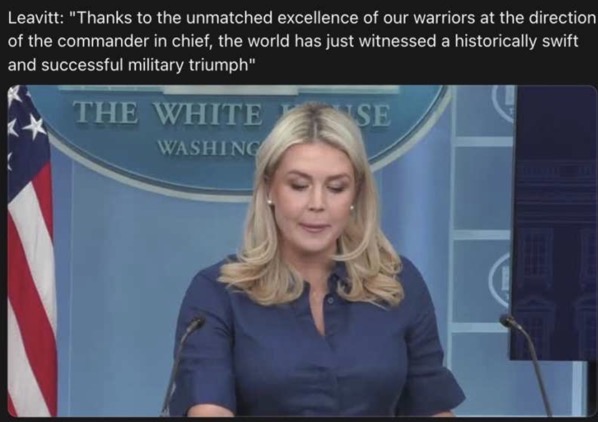
‘Convicted felon Donald Trump’s untrustworthy, scowling Press Secretary Karoline Leavitt gave a statement that sounds more like North Korean propaganda than ever before. Declaring victory over Iran while having achieved none of their goals in their unjust war is sadly to be expected.
It seems the ceasefire may already be falling apart, as Trump seems to have forgotten to tell Israel about it.…’ (Jason Weisberger via Boing Boing)
Trump spent April 7th threatening Iran with apocalyptic rhetoric at dawn — including thinly veiled hints at genocide and the possible deployment of nuclear weapons — then by evening, TACO-flavored, declared a two-week ceasefire, claiming complete military success and an imminent peace deal.
Pakistan brokered the off-ramp.
But Iran’s media simultaneously claimed they won — that the U.S. agreed in principle to their 10-point plan demanding sanctions relief, removal of U.S. forces from the region, and Iranian control of the Strait of Hormuz. If accurate, the U.S. ends up materially worse off than before the war began. Trump responded by threatening CNN for reporting it.
The day’s arc, in miniature: genocidal bluster → ceasefire → “Golden Age of the Middle East!!!”
Heather Cox Richardson’s indictment, among others, is structural, not merely temperamental. The war was never congressionally authorized, cost thousands of lives (including hundreds of children), depleted munitions, damaged U.S. bases and embassies, cratered global oil markets, and strengthened Putin — all to reopen a strait that was open before Trump provoked the conflict. Ben Rhodes called it catastrophic even under the most charitable interpretation.
Richardson’s closing note is the most chilling: Trump’s “a whole civilization will die tonight” wasn’t only a threat to Iran. Richardson reads it as an inadvertent epitaph for American legitimacy itself — the republic’s moral standing as collateral damage in one man’s need to escape the consequences of his own impulsivity.
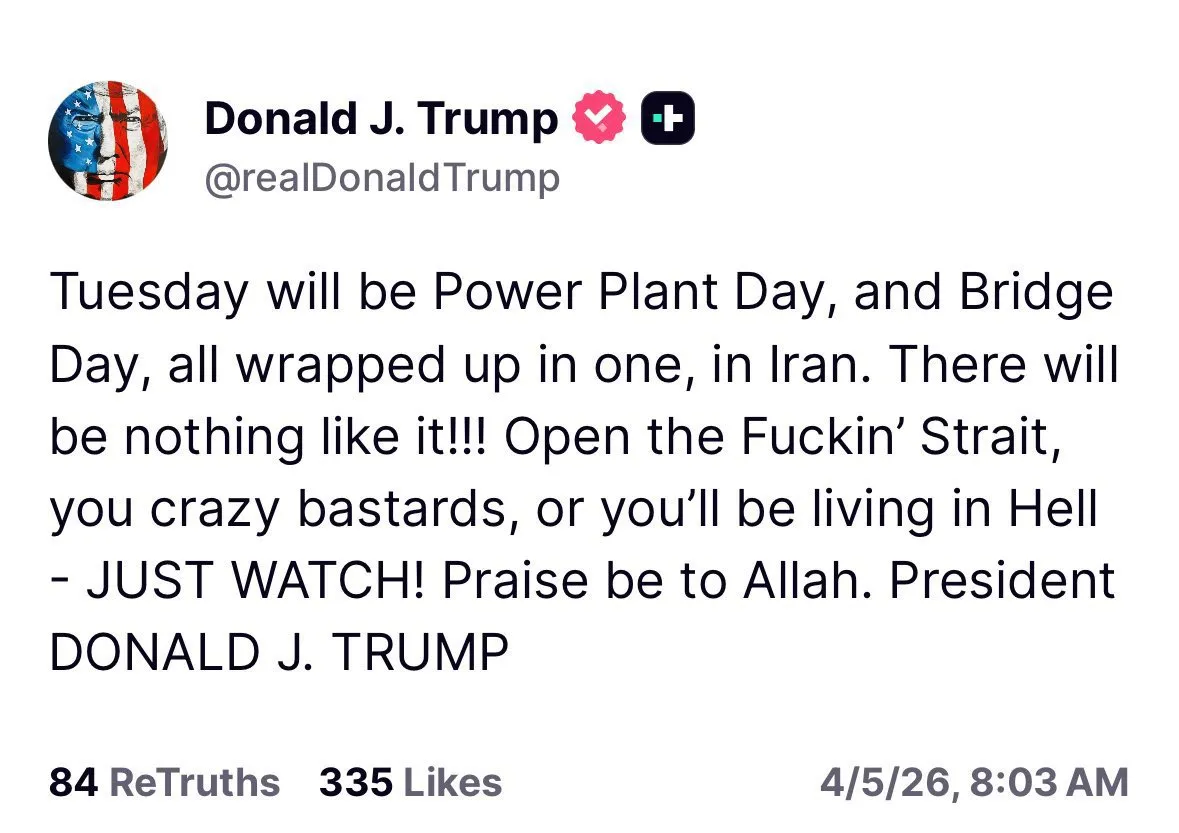
‘A reporter confronted President Donald Trump about his expletive-filled threat to Iran to “Open the F*ckin’” Strait of Hormuz on Monday while the president gaggled with the press in front of the White House.
“Why did you use such vulgar language in that Truth Social post?” a female journalist asked.
“Only to make my point,” Trump answered. “I think you’ve heard it before.”
The president then moved on to another question. She was obviously referring to Trump’s post from the day before in which he warned Iran he will start blowing up power plants and bridges on Tuesday if the “crazy bastards” running the country do not open the Strait of Hormuz.
Trump said Iran will be “living in Hell” if it does not listen to him, and he tagged his Truth Social post with “Praise be to Allah.” The threat was heavily criticized by many media talking heads, with Stephen A. Smith, Alex Jones, and Piers Morgan all lambasting the president for it.…’ (via MediaIte)
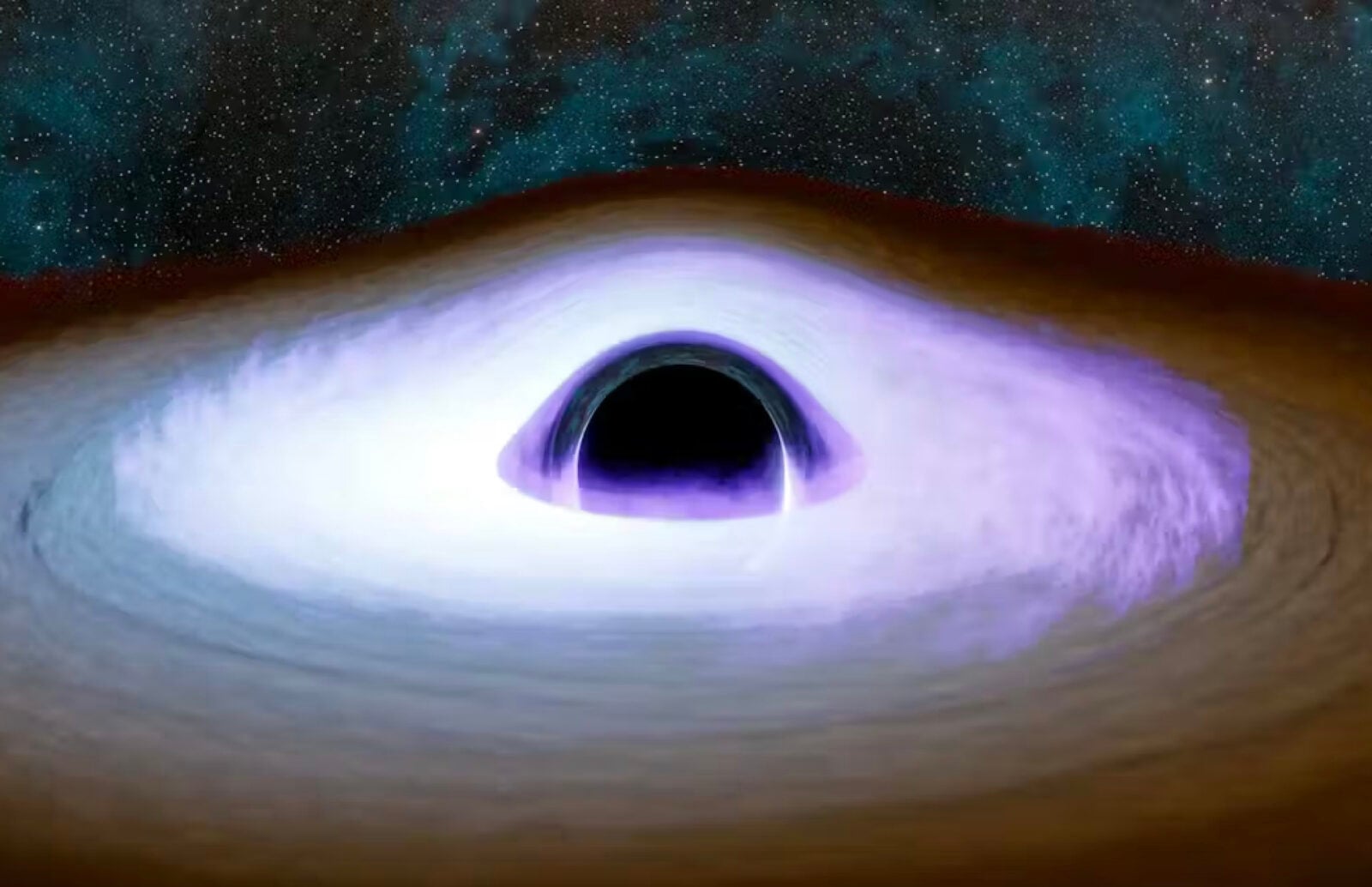
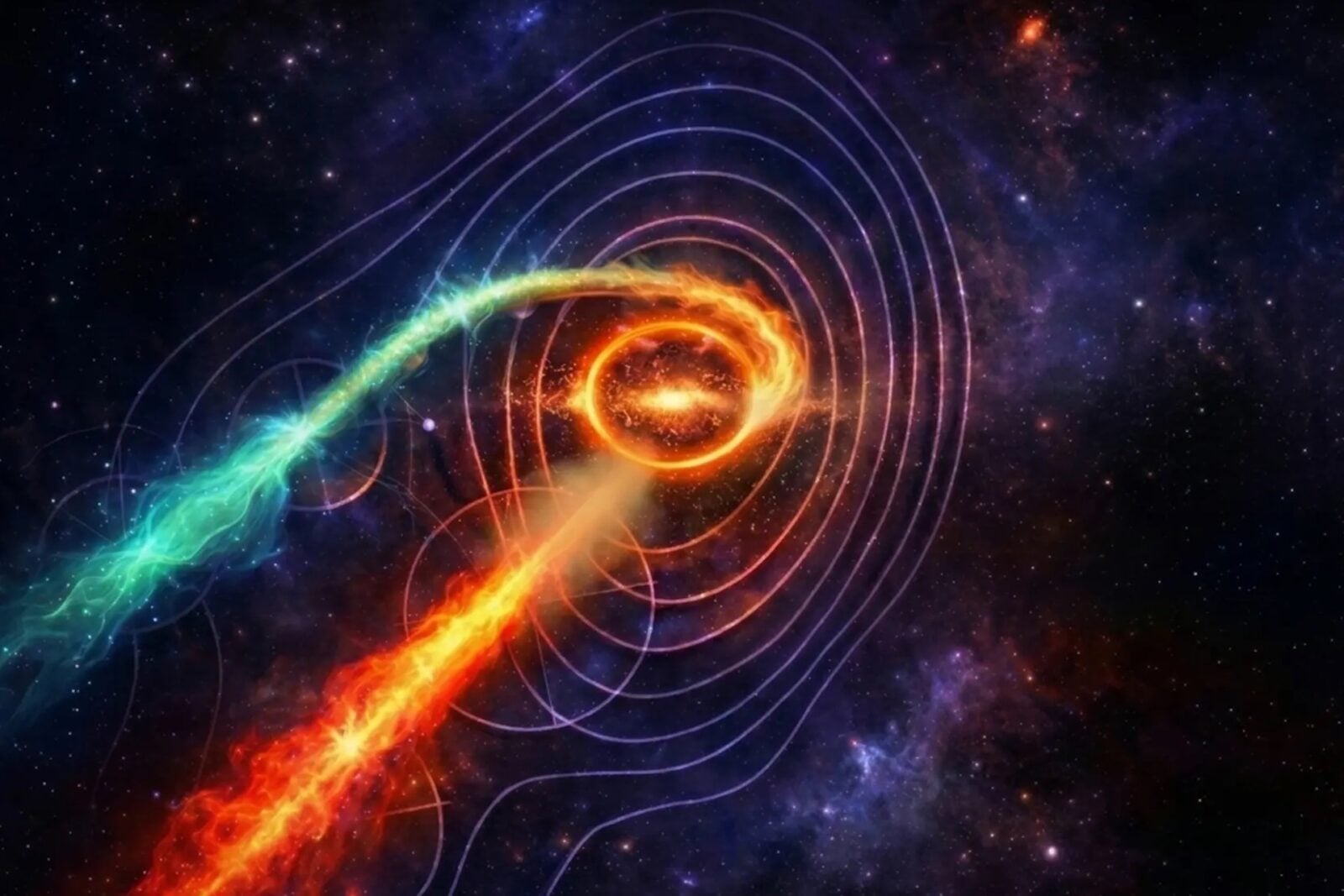
‘New research describes an unexpected double jet in a distant galaxy, revealing a pair of supermassive black holes on the verge of colliding.…’ (via Gizmodo)
‘If Trump is actually going to give the order for massive war crimes, for destruction of civilian infrastructure, power plants, bridges, which will, among other things, lead to a lot of deaths in Iran, will the military obey it? A year ago, I would have said no.
But what we do know now is that, first of all, there turns out to be at least a significant MAGA component inside the officer corps. And we know that Pete Hexeth has been systematically corrupting, dismantling the military over the past 14 months. Generals who raise ethical concerns have been fired. Officers who even just want to be intelligent about warfare. and not believe that it’s all about warrior ethos and lethality have been fired, so it’s quite possible that there’s a quorum of officers who will follow instructions to commit war crimes.
You can get even more pessimistic. Tim Snyder has been arguing that we’re basically in preparation for a coup, that somehow or other the war will be a pretense and arguing that this insane expansion of military spending in the latest Trump budget is a bribe to the military.
I hope he’s wrong. But in any case, my God, if Trump gets his way, and if he doesn’t chicken out —and I think TACO is greatly overrated, I think all too often Trump actually does follow through on his insane stuff.
It’s entirely possible that basically by this time Tuesday, America will have established itself as one of the world’s great villains. I don’t want to be here, but, you know, be warned. This is happening. This is real.
It’s the most astonishing, awful thing that I’ve ever seen, and we’ve all seen a lot of awful things. Take care, I guess.…’ (via Paul Krugman)
‘Now, I ask you: If you were in the Iranian regime, would you be: (1) frightened by this post or (2) relieved that you were finally causing Trump to melt down?
I’d guess (2). You’d see his post and figure that Trump — posting on Easter Sunday —has finally gone utterly and definitively bonkers. You’ve done it. He’s mad as a hatter.…’ (via Robert Reich)
Just 51 of these whales are left on Earth. Trump officials may have just doomed them.
‘On Tuesday, several top Trump officials convened a rarely assembled panel known as the God Squad — a committee, led by the Interior Secretary, that has the power to override the Endangered Species Act and approve activities that could potentially drive species to extinction. Congress created the committee in 1978, not long after the ESA was enacted, for rare cases when adhering to endangered species protections threaten the US economy or national security. It’s essentially a loophole in the Act, and it’s only been invoked a handful of times before.
Protesters project a sign on the Department of Interior in Washington, DC, on March 30. Tasos Katopodis/Getty Images for Save Our Parks
In Tuesday’s meeting, Secretary of Defense Pete Hegseth — the highest ranking official present — said ESA protections for animals in the Gulf, such as Rice’s whales, threaten to limit oil production. The Gulf produces about 15 percent of the country’s crude oil, he said, which helps power the military and defend the US. “Exemption from the Endangered Species Act in the Gulf is not just a good idea, it is a critical matter of national security,” Hegseth told the panel.…’ (via Vox)
‘Researchers at the Weizmann Institute of Science in Israel have modified tobacco plants to yield five psychedelic compounds at once: bufotenin and 5-MeO-DMT (from Colorado River toad secretions), DMT (a tryptamine found across plant species), and psilocin and psilocybin (normally found in mushrooms). The news was reported in New Scientist.…’ (via Boing Boing)