Vox is hunting for New York City’s undiscovered insect species

‘Scientists believe there are almost certainly hundreds, if not thousands, of undiscovered animal species living in the middle of New York, among the city’s parks, gardens, and streets. I’m not talking about the big stuff — birds, frogs, and so on — but small critters, including flies, wasps, and other insects.

It’s not that NYC is some sort of global bug hot spot. (Despite what it might feel like in the summer, it is not.) Rather, the bulk of species in many insect groups, wherever they’re found, remains unknown. As one example, there may be as many as 1.8 million species globally in a single fly family called Cecidomyiidae, known as the gall midges. Yet only about 7,000 of them have been described in the scientific record and are thus known species. Broadly speaking, taxonomists estimate that as much as 90 percent of all animal species on Earth are still unknown….’ (Benji Jones via Vox)
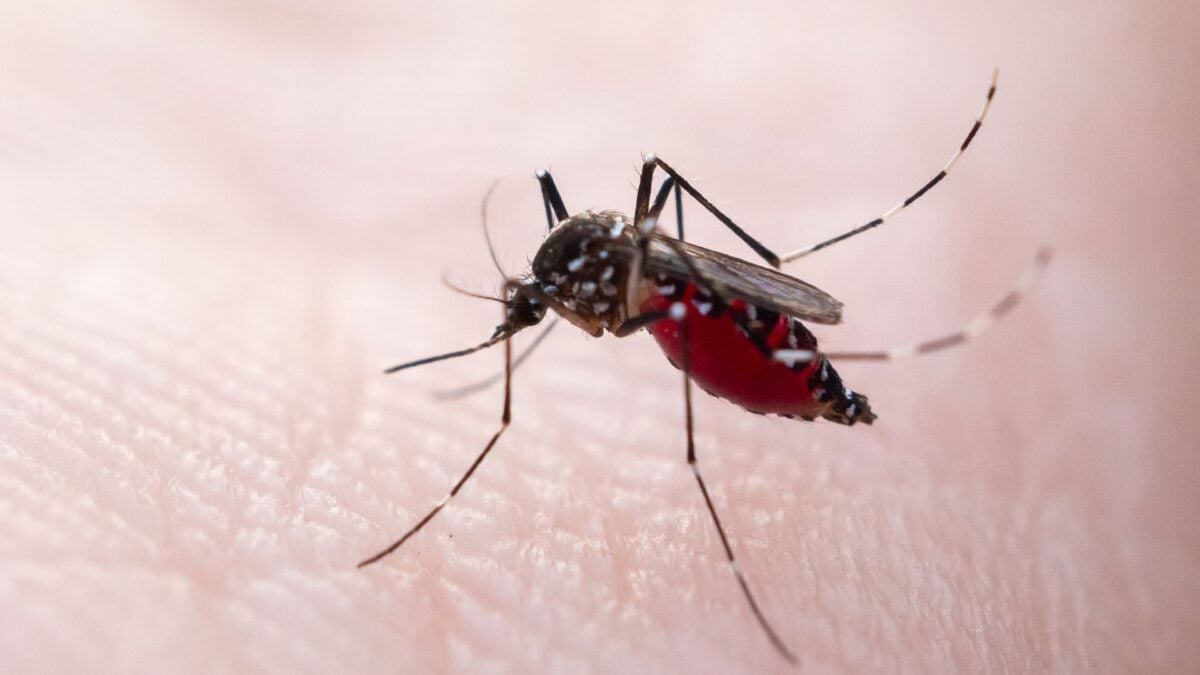
A Widely Used Mosquito Repellent Might Be Training Them to Seek Your Blood

‘One of the most trusted forms of protection against the dreaded mosquito might have an unexpected weakness. Research out today shows that mosquitoes can actually learn to love the presence of DEET, a common ingredient in insect repellents. Scientists in the U.S. and France conducted lab experiments with Aedes aegypti mosquitoes, a species well known for spreading various diseases, including yellow fever and dengue. They successfully reversed the mosquitoes’ aversion to the chemical, even making them more willing to approach a human wearing DEET. Though DEET remains a valuable anti-mosquito measure, the findings suggest people should be especially mindful about using it as instructed, the researchers say. “DEET is still the gold standard of mosquito repellents,” study author Clément Vinauger, an associate professor in the department of biochemistry at Virginia Tech, told Gizmodo. “Our work is an important reminder to carefully read the manufacturer’s recommendations regarding dosage and application frequency to ensure these products are as effective as possible.”…’ (Ed Cara via Gizmodo)