Link


Via Big Think:

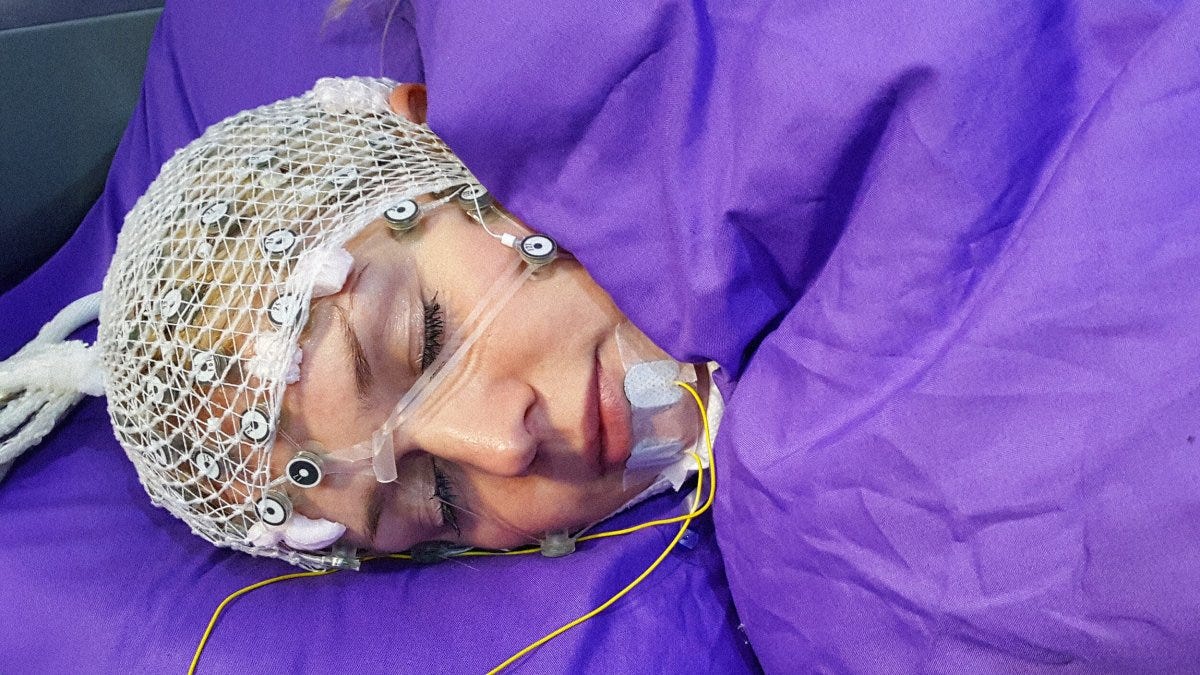
‘Anesthesia dreams have likely been a common phenomenon since surgeons first started putting patients under in the 1840s, but there has never been sound reason to study, let alone prolong, them. In fact, early published reports of anesthesia dreams frame them as pesky side effects of an otherwise smooth medical procedure. Regarded as a mysterious feature of the brain, there was little reason to suspect that, under certain conditions, these dreams might have therapeutic value.

“Most anesthesiologists blow right past this,” Heifets says, adding that they pass off dreaming as a meaningless byproduct of surgery or wake up patients before they fall deeply enough into the dream state.

But the phenomenon piqued Chow’s interest. Since 2009, he’s collected observational data on many elaborate anesthesia dreams that seemed to help people manage anxieties that had nothing to do with the surgery itself….’
Link


Amy Martin via the Guardian:

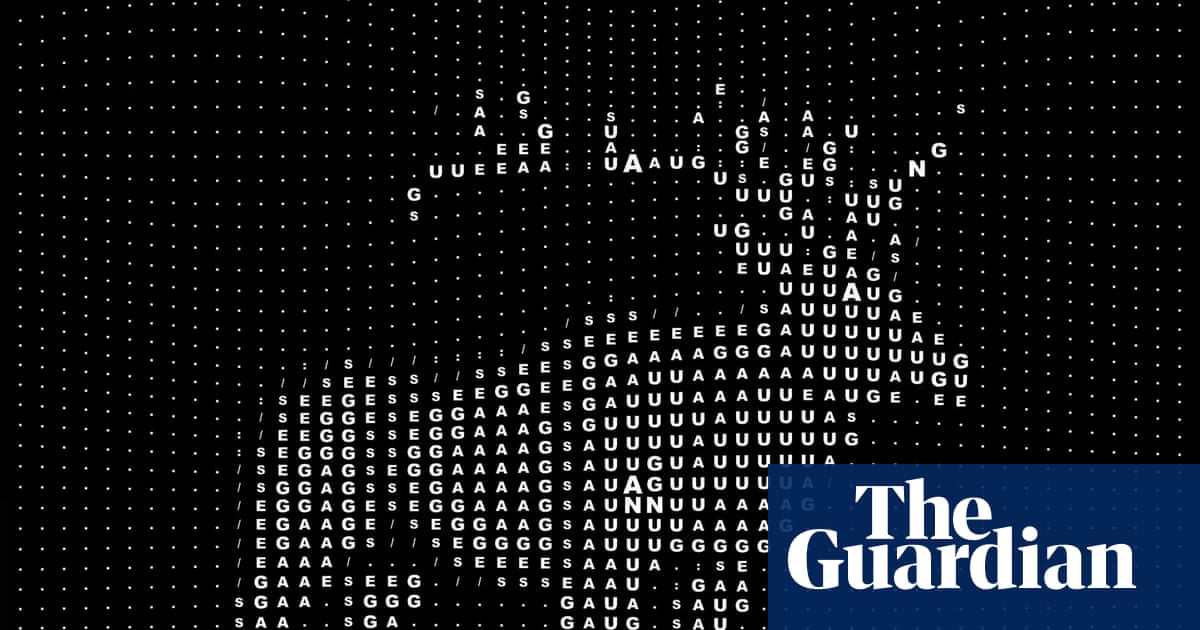
‘As animal behaviorists increasingly use AI in their research, they grapple with how to wield the technology responsibly…’

Link


Sarah Blaskey via The Washington Post:

‘In the weeks leading up to his resignation last year, the first architect on the White House ballroom clashed with President Donald Trump over design features that the architect believed violated building safety codes, according to two people with knowledge of the discussions and corroborating documents reviewed by The Washington Post.

James McCrery II withdrew from the project last October after warning repeatedly that Trump was insisting on a preliminary design that did not provide adequate emergency exit routes or fire-containment measures, said the people, who spoke on the condition of anonymity to describe the private discussions.

Trump brushed off McCrery’s concerns, they said, and the president countered that no building codes apply to White House construction.

“I am the code,” Trump said….’