Adman for Radical Causes Dies at 86
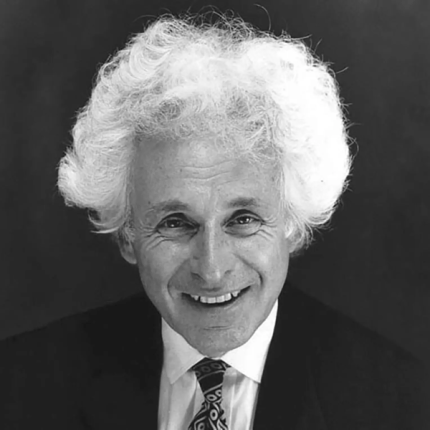
‘Jerry Mander, whose iconoclastic thinking led him to create advertising campaigns for nonprofits like one for the Sierra Club in 1966 to fight a plan to build two dams in the Grand Canyon and an organization to raise awareness about the dangers of economic globalization, died on April 11 at his home in Honokaa, Hawaii. He was 86.
…In 1966, Mr. Mander was working at Freeman & Gossage, an advertising agency in San Francisco, when David Brower, the executive director of the Sierra Club, asked for help in framing the conservation group’s opposition to the federal government’s construction of hydroelectric dams on the Colorado River.
…“He was a countercultural type who wanted to reset the frame of how people looked at modern life,” Jono Polansky, who was the creative director of the Public Media Center, said in a telephone interview. In the full page print ads that were Mr. Mander’s specialty, Mr. Polansky added, “He could break a problem down and say, ‘How do you tell a story to people and give them a place to do something about it?’”
…His work increasingly reflected his suspicions about the societal effects of technology, advertising and television. Those concerns led him to write “Four Arguments for the Elimination of Television” (1978), which contended, among other things, that the medium isolates viewers, dulls their minds and lays the groundwork for an autocracy….’ (The New York Times)
Four Arguments for the Elimination of Television was, at the time it came out, heavily shaped my social thinking, and its importance has if anything been enhanced in the intervening decades.




 ‘The revelation raises new questions about apparent efforts to downplay and discredit accusations of sexual misconduct by Kavanaugh and exclude evidence that supported an alleged victim’s claims….’
 ‘… they found that the parrots took advantage of the opportunity to call one another, and they typically stayed on the call for the maximum time allowed during the experiment. They also seemed to understand that another live bird was on the other side of the screen, not a recorded bird, researchers say. Some of the parrots learned new skills from their virtual companions, including flying, foraging and how to make new sounds.


 Jeff Vandermeer writes: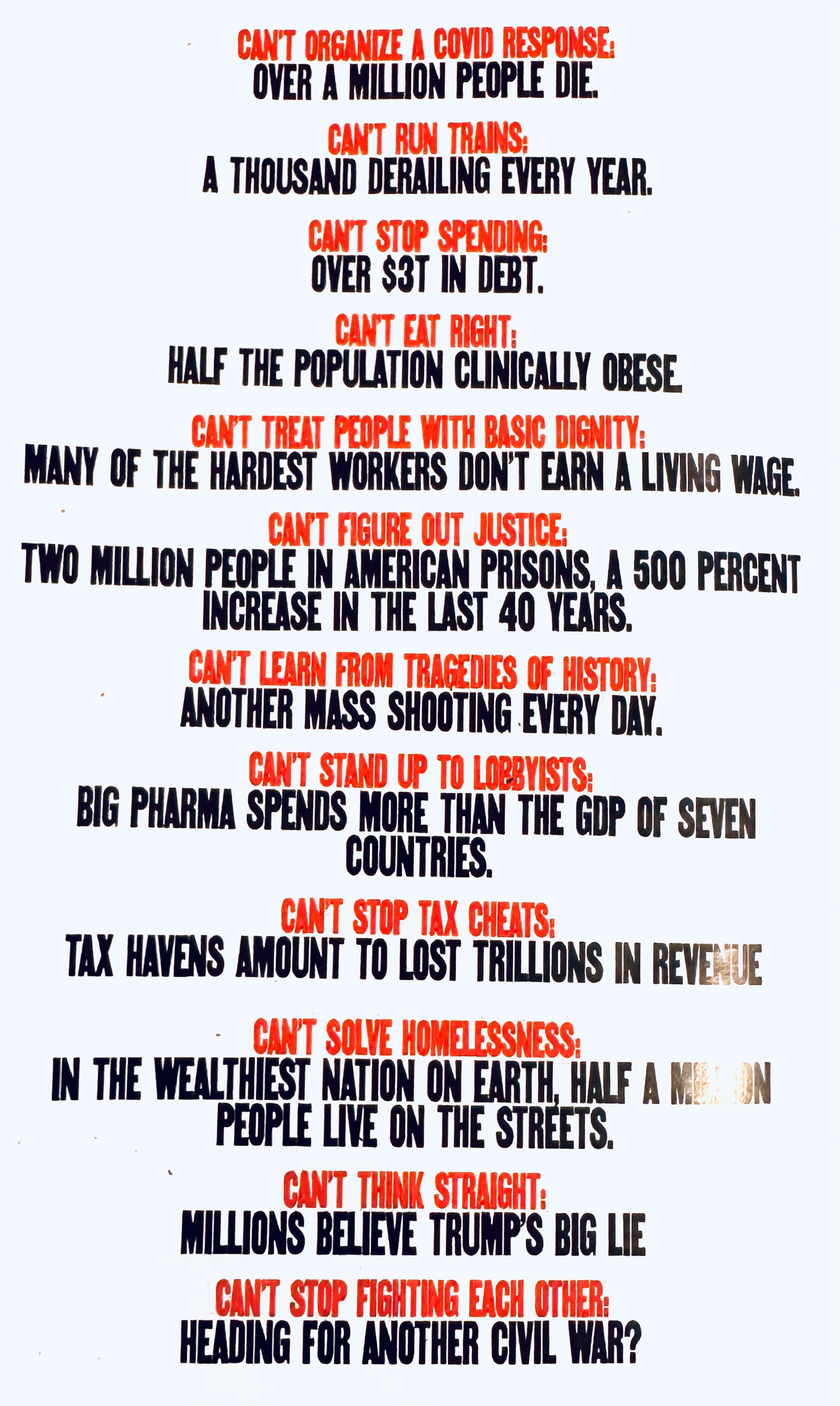

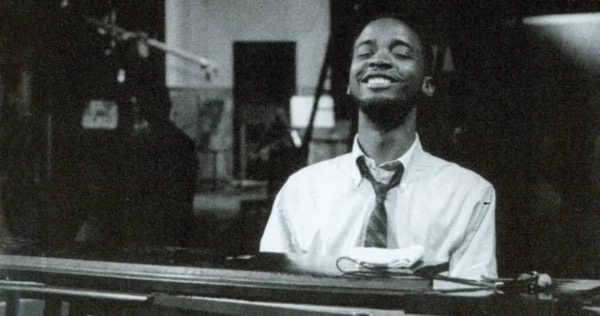


 James Harbeck argues
 ‘Researchers explain the neuroscience behind why we sometimes feel the presence of another when we are alone in an empty room…
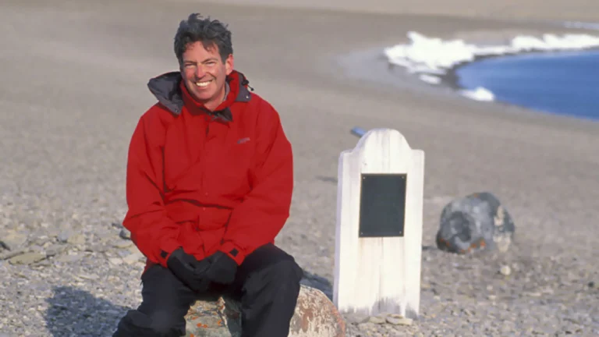 ‘I’ll come clean: I’m a complete cynic. I don’t believe in the paranormal, apparitions, or any of that side of things. But even I struggle to explain away the phenomenon that so many mountain climbers have experienced — notably Frank Smythe, who was tantalizingly close to being the first person to climb Mount Everest, and Joe Simpson, the man who wrote Touching the Void. So is Third Man Syndrome some sort of guardian angel, or perhaps a shared hallucination brought about by stress?…’





 ‘The World Health Organization is gearing up to test vaccines against the Marburg virus—but the world is still not prepared to contain new viral outbreaks.