
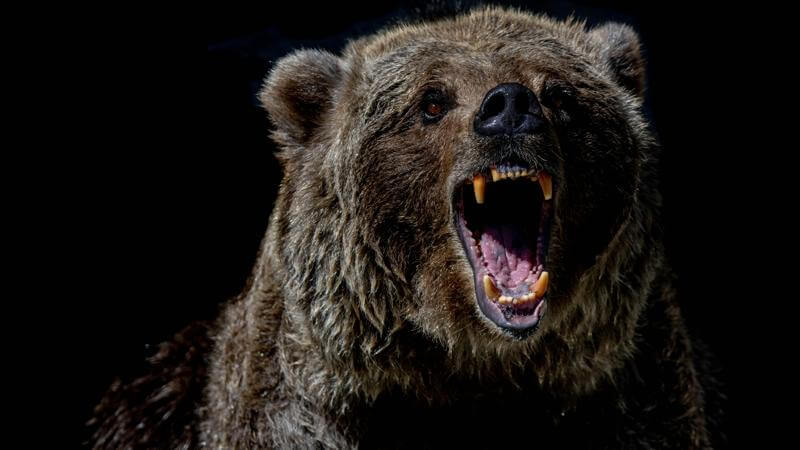
As an avid consumer of outdoor activity coverage I hae been struck by what seems a drastic explosion of bear attack reports. Are they surging or is there a shift in reporting attention?
Research shows that the evidence does not yet support a drastic continent-wide increase in North American bear attacks in 2026. The apparent surge more likely reflects a genuine early-season cluster, longer-term regional increases in human–bear encounters, and substantial amplification by the news ecosystem.
Several notable incidents occurred in rapid succession this spring. Two hikers were injured near Mystic Falls in Yellowstone in early May—the park’s first bear-related injuries of 2026. A hiker’s death in Glacier National Park was provisionally attributed to a bear encounter, potentially the park’s first fatal attack since 1998; another Glacier hiker sustained severe arm injuries in a grizzly attack on May 28. On June 16, a black bear with cubs caused minor injuries to a teenager on Mount Si in Washington, a state that has recorded only about 20 nonfatal bear injuries since 1970.
This is an unusually concentrated sequence, particularly because several incidents occurred in prominent national parks. Bear attacks remain rare, however, so a few additional cases can produce a dramatic percentage increase without establishing a meaningful trend. Interpretation is further limited by the absence of a comprehensive, continuously updated North American registry analogous to the International Shark Attack File. Definitions also vary: some datasets include defensive contacts, attacks directed primarily at dogs, home entries, stalking behavior, or injuries sustained while fleeing; others count only direct physical attacks.
Media dynamics magnify the impression. A single incident may generate an initial report, a trail-closure story, a survivor interview, an investigative update, and numerous syndicated rewrites. Recommendation algorithms then infer an interest in bear stories and present more of them. Outdoor publications have an additional incentive: bear encounters combine dramatic narrative, practical safety information, and high reader engagement. The cluster therefore behaves like a bright constellation—the individual stars are real, but attention supplies much of the perceived pattern.
There are nevertheless genuine background forces increasing encounters, although encounters are not equivalent to attacks. Black and grizzly bear populations have recovered or expanded in some regions, while residential development and outdoor recreation increasingly overlap bear habitat. Some jurisdictions are reporting more sightings, home entries, and nuisance calls. Food conditioning from garbage, bird feeders, livestock feed, grills, and pet food can produce increasingly bold behavior. Natural-food failures, drought, heat, and altered seasonal patterns may also generate unusually bad local years, although these effects vary substantially by region and species.
Reports from Japan create an additional distortion because the increase there appears to be real rather than merely journalistic. Japan has experienced record or near-record numbers of attacks, expanding bear populations, rural depopulation, and more bears entering settled areas. These stories circulate heavily in English-language outdoor media and may contribute to a generalized impression of a worldwide surge.
The most defensible conclusion is that 2026 has produced a conspicuous early cluster in North America, but not yet evidence of a drastic generalized increase. A modest long-term rise in exposure and conflict may be occurring in particular regions, superimposed on considerable year-to-year statistical noise. The perceived surge is probably being driven at least as much by repeated, syndicated, and algorithmically concentrated reporting as by a major change in personal risk. A reliable comparison will require complete summer and autumn data, preferably compiled from state and provincial wildlife agencies rather than headline counts.

