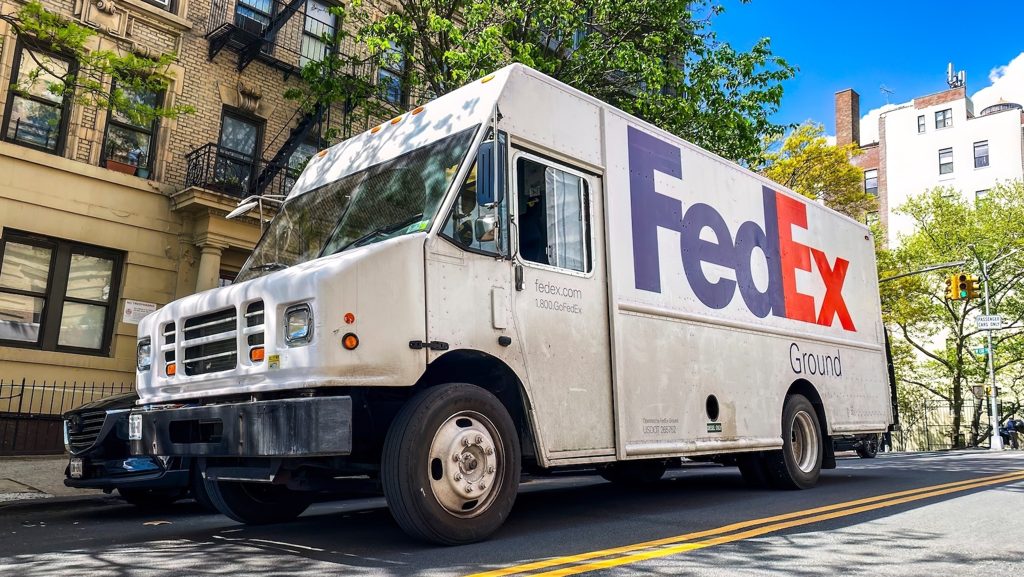
As an inveterate online shopper, this happens more and more often to me and I have struggled to understand why. “Delivery attempted” notices from companies like Amazon often result from the complex logistics of shipping and tight driver schedules. While most drivers do their jobs properly, some may skip actual delivery attempts to stay on schedule, especially third-party drivers. Sometimes, drivers take photos from their trucks to falsely document a delivery attempt.
What is there to do? To address repeated “attempted delivery” issues, you can:
- Sign up for delivery alerts to act quickly.
- File a complaint with the delivery company, including tracking details.
- Use home security footage to dispute false attempts.
- Re-route the package to a nearby pickup location to ensure receipt.
— via Lifehacker
 Scientific trials of psychedelic drugs face a major challenge: participants can often tell whether they’ve received the actual drug or a placebo, which undermines the integrity of the study. Researchers are exploring ways to address this, such as not informing participants about different treatment arms or using non-psychedelic analogues that may offer similar therapeutic benefits without altering perception. Another approach involves using brain imaging techniques like fMRI, EEG, and PET scans to find objective markers of drug effects. However, these methods also have limitations. For example, brain activity images can be misleading, as increased connectivity seen with psychedelics also occurs with substances like caffeine or cocaine. Experts caution that such data must be interpreted carefully. Via