

‘Trillions of micro-organisms live inside each of us. This is known as our microbiome. The vast majority of these microbes are bacteria but plenty of other things can also be found, including parasites and viruses.
About a decade ago researchers discovered a thriving population of fungi also reside within the human body. Dubbed the mycobiome, several dozen types of fungi have been found to symbiotically live inside of us, and most are relatively harmless. But some are not our friends, particularly when we are immunocompromised.
It’s estimated about 1.6 million people die every year globally from invasive fungal infections. In 2022 the World Health Organization released its first ever list of “fungal priority pathogens,” citing fungi as an emerging serious public health threat. There are limited anti-fungal medications, and increasing rates of fungal resistance to these crucial drugs.
“There’s a significant unmet clinical need for this kind of prevention and also treatment, particularly among immunocompromised individuals,” said Karen Norris, lead investigator on the new study. “The patient population at risk for invasive fungal infections has increased significantly over the last several years.”
Three specific genera of fungus account for the vast majority of deadly fungal infections in humans – Aspergillus, Candida, and Pneumocystis. So researchers set out to develop a recombinant peptide vaccine that targets those three primary pathogens.
A new study published in the journal PNAS Nexus is reporting on the efficacy of this experimental vaccine in several animal models. The study revealed the vaccine, dubbed NXT-2, effectively induced broad, cross-reactive antibody responses in all animal models. The vaccine also reduced morbidity and mortality in immunosuppressed animals exposed to the three key pathogenic fungi….’
— via New Atlas
Fungi were the forgotten infectious diseases. No longer, with the popularity of The Last of Us.
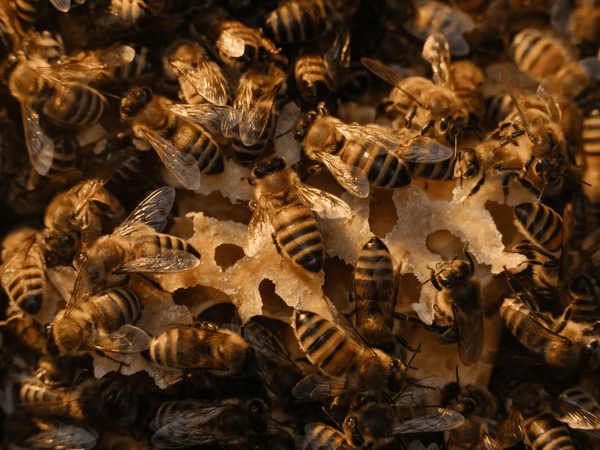
 So Carinthia’s law has many supporters among the state’s apiarists, eager to keep unwelcome characteristics