The People Who Are Scared of Dogs


20080425181430  - nicaragua

Via Pacific Standard: ‘Those who study animal phobias have found that while more people are afraid of spiders or snakes than dogs, living with cynophobia is considerably more challenging—especially today, as dog-wielding humans appropriate more and more public places. [People] living with a fear of dogs [describe] a debilitating phobia that affects where they go and who they see.’
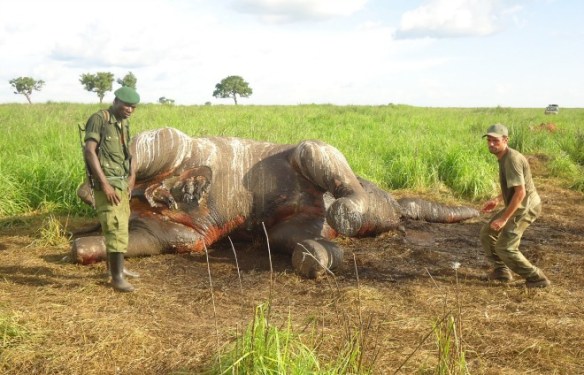
How Wildlife Declines Are Leading to Slavery and Terrorism


Via Pacific Standard: ‘[D]eclining wildlife populations are stoking wildlife crimes as prices for contraband animal bits rise, and as communities are forced to travel farther afield and clash with competing groups to find their dinner.

Those crimes, in turn, are fueling further declines in wildlife populations.

And the whole vicious cycle is triggering a heinous global crime wave, including everything from slavery and terrorism to piracy.’


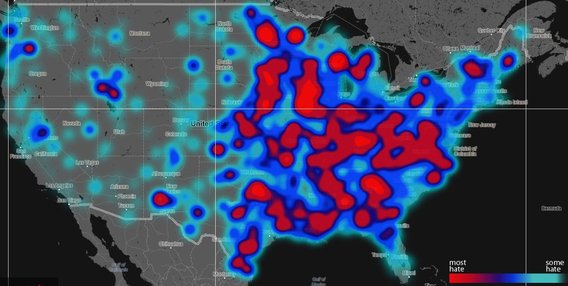
The Geography of U.S. Hate

Via Big Think, ‘The image above maps the location of more than 150,000 geocoded tweets that contained words deemed to be racist, homophobic or that targeted people with disabilities. The project was completed by students at Humboldt State University in California. You can view the zoomable map here.’

Powerful and Coldhearted

Via NYTimes.com, ‘Can people in high positions of power — presidents, bosses, celebrities, even dominant spouses — easily empathize with those beneath them? Psychological research suggests the answer is no.’ (thanks, Barbara)

The authors suggest that this is ‘because’ the mirror neuron system of powerful people is less responsive, but this seems to me to be an egregious example of neurological determinism. (You should always see ‘because’ in neurocognitive literature as a red flag, IMHO.) The mirror neuron system may be the neurophysiological basis of empathy, but the observed underactivity in people with power may be a reflection of rather than a reason for their empathic deficits.