When humans play dead

Grass snake playing dead and showing the uniqu...

‘When a rabbit or other animal is trapped by a predator, it will freeze and assess the situation. It might then flee or attack, what we usually call the “fight or flight response”. If that fails, a last-ditch defence mechanism is to go completely immobile, to play dead.

Researchers in Brazil now say that in times of grave danger, this same automatic last resort is also exhibited by humans and is experienced as a terrifying feeling of being “locked-in”. The team led by Eliane Volchan performed what they describe as the first lab-study of “tonic immobility” in humans, and they argue that greater awareness of the response could help our understanding of people’s reactions in real-life situations. For example, rape victims often experience shame after not resisting physically, and in some jurisdictions their passive response is interpreted as a sign of consent. Similarly, police officers and related professionals may be condemned for not reacting proactively in danger situations.’ (via BPS Research Digest).

Steven Pinker: ‘Humans are less violent than ever’

Steven Pinker
Steven Pinker

‘Pessimists, anti-capitalists, conservatives and greens, take note – we are much more peaceful now than we used to be, says the psychologist.’  (via  New Scientist).

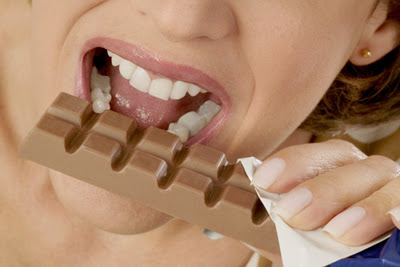
Sweet-toothed and sweet natured

‘Brian Meier and his team had dozens of students rate the agreeableness, extraversion and neuroticism of 100 people, based on pictures of their faces and a strap-line identifying each person’s preference for a particular food, such as “I like grapefruit”. People who said they liked a sweet food were judged by the students as more agreeable, suggesting that we implicitly recognise that a taste for sweet things is grounded in a sweet personality.

Are people right to make this implicit assumption? Further studies suggested so. Students who rated their own personality as more agreeable also tended to have a stronger preference (than their less agreeable peers) for sweet foods and drinks. Among a different set of students, a stronger preference for sweet foods correlated positively with their willingness to volunteer their time, unpaid, for a separate unrelated study – considered by the researchers as a sign of prosocial behaviour.’ (via BPS Research Digest).

Our Fondness for Not Thinking

Daniel Kahneman
Daniel Kahneman

Jonah Lehrer on Daniel Kahneman’s New Book: 

‘(Princeton psychologist) Daniel Kahneman’s … disarmingly simple experiments have profoundly changed the way that we think about thinking. While philosophers, economists and social scientists had assumed for centuries that human beings are rational agents, Mr. Kahneman and his scientific partner, the late Amos Tversky, demonstrated that we’re not nearly as rational as we like to believe…’ (via WSJ).