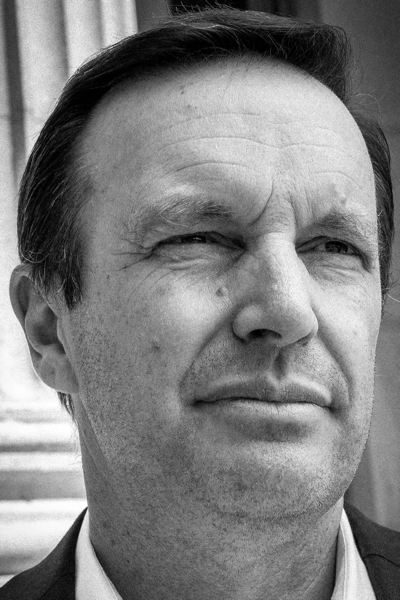
‘America’s leaders — from both parties — have long been guided by what’s often called the neoliberal consensus: the idea that “barrier-free international markets, rapidly advancing communications technology and automation, decreased regulation and empowered citizen-consumers would be the keys to prosperity, happiness and strong democracy,” as Mr. Murphy put it. More simply, it’s a shared assumption that what’s good for markets is good for society.
This assumption shapes our politics so deeply that it’s almost invisible. But the idea that modern life is a story of constant economic and technological progress steadily making the world a better place has stopped lining up with how Americans feel. You can look at statistics about suicide, depression, overdoses and declining life expectancy. You can point to the fact that roughly 70 percent of wild animals on Earth have disappeared since 1970 or examine the astonishingly pervasive sense of loneliness that now seems to color so many American lives. But no statistics really capture the feeling, shared by growing numbers of Americans, that the world is just getting worse….’ (James Pogue in The New York Times)
Follow Me Here…
“I am the world crier, & this is my dangerous career… I am the one to call your bluff, & this is my climate.” —Kenneth Patchen (1911-1972)


