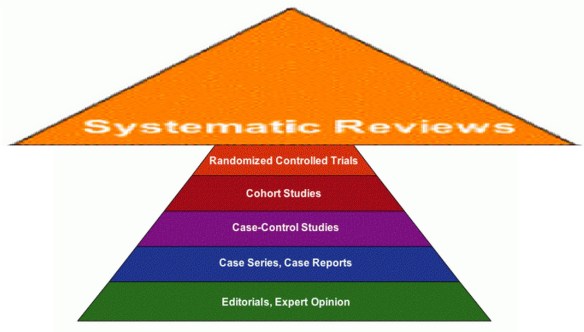
Via Neuroskeptic: ‘Meta-analyses are systematic syntheses of scientific evidence, most commonly randomized controlled clinical trials. A meta-analysis combines the results of multiple studies and can lead to new insights and more reliable results.
However, according to Italian surgeon Giovanni Tebala writing in Medical Hypotheses, meta-analyses are becoming too popular, and are in danger of taking over the medical literature.
…Why is this? Tebala suggests that researchers are turning to meta-analyses to bolster their CVs:
Randomized controlled trials require hard work and financial commitment, whereas meta-analyses and systematic reviews can be relatively easy to perform and often get published in high impact journals. Many researchers might decide to devote themselves to the latter approach.
…Tebala doesn’t actually spell out why the glut of meta-analyses is a problem for science; he seems to be concerned at the unfairness of meta-analysts getting credit for their work with “someone else’s data”.
Nonetheless I think there is a scientific problem, which is that as the ratio of meta-analyses to actual data increases, the scientific literature becomes dominated by interpretation and analysis resting on a limited amount of evidence. Put simply, the risk is that science will get “top heavy”…’
Follow Me Here…
“I am the world crier, & this is my dangerous career… I am the one to call your bluff, & this is my climate.” —Kenneth Patchen (1911-1972)