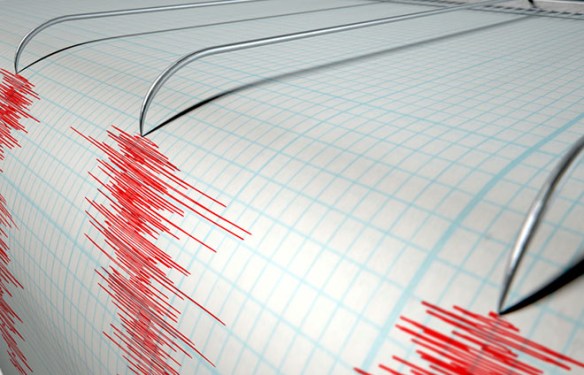
Via Pacific Standard: ‘The overall goal of the preparation process is to teach people to control the otherwise-involuntary physical stress responses that the polygraph’s sensors pick up on during the interview. Or, as Williams himself summed up quite simply in a recent tweet: “The polygraph operator monitors your respiration, GSR, & cardio. Get nervous on the wrong question & he calls you a liar!”Many criminologists now believe that “getting nervous” shouldn’t indicate a guilty conscience, and that consistent story-telling is a much better indicator of the truth. Psychologists are currently testing new techniques that “induce cognitive load” as potentially more accurate ways to weed out the lies. It takes more brainpower to keep an invented story consistent than it does to tell the truth, the theory goes. So interrogators can try to overwhelm their subjects with information, questions, and tasks, and see how flustered they get.
One review of the research explores methods like having the person draw the scene being described, tell the story in reverse-chronological order, describe the scene in detail from the perspective of a different physical vantage point, and even complete math problems in the middle of the interview. Even being made to maintain constant eye contact occupies the mind, so that can also make it more difficult for a liar to stay on message.’