
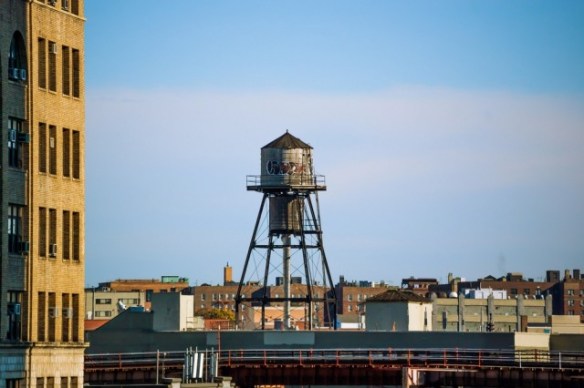
‘Many buildings taller than six or seven stories need their own method of supplying water pressure to the floors below. There are thus nearly 20,000 of these tanks in the city, supplying drinking water to hundreds of thousands of people.However, perhaps because of their ubiquity and permanence, it turns out the tanks have been relatively immune from safety inspections.
The New York Times took samples from water tanks in 12 buildings, and eight of them tested positive for coliform—an indicator for the presence of “pathogenic organisms of fecal origin.” Five also came back positive with E. coli. Some tanks arent actually closed to the outside, opening them up to squirrel and bird poop—anecdotes about animals and even homeless people living in the space between the water and the container top abound.
Perhaps more upsetting than that relatively small sample size is the fact that almost half of buildings randomly inspected by the health department couldnt even provide proof that they test their tanks for bacteria at all. Many justify these findings by saying the samples are taken from a thick layer of mud and sediment that rests below the intake pipes—meaning that the water that arrives at your sink isnt actually contaminated. But even a basic knowledge of biology disproves that rationale.
Then there are the chemical contaminants, like an epoxy used by tank-building companies—made from a bisphenol A-based polymer otherwise known as BPA…’ (Gizmodo)

